

Role of Nursery Organisation – Creating Calm and Stylish Spaces
Every parent faces that moment when toys overrun the play area and bedtime essentials go missing just when you need them most. Creating a calm, clutter-free nursery is more than tidiness, it sets the stage for emotional comfort and early learning. Thoughtful nursery organisation combines style with purposeful design, weaving together safety, resource management, and supportive developmental environments for your child and family.
Table of Contents
- Defining Nursery Organisation And Its Purpose
- Types Of Nursery Storage And Organisation Tools
- Key Principles For Functional, Stylish Nurseries
- Safety, Sustainability, And Cost Considerations
- Common Mistakes In Nursery Organisation Choices
Key Takeaways
| Point | Details |
|---|---|
| Nursery Organisation Importance | Thoughtful nursery organisation is crucial for creating safe, nurturing environments that support children’s emotional, cognitive, and educational needs. |
| Innovative Storage Solutions | Effective storage options like multi-functional furniture and labelled bins enhance organisation and promote independence in children. |
| Design Principles | Balancing aesthetic appeal with functionality is essential in nursery design, ensuring the space adapts to children’s changing developmental needs. |
| Safety and Sustainability | Prioritising non-toxic materials and durable designs helps ensure safety while encouraging sustainable practices within the nursery environment. |
Defining Nursery Organisation and Its Purpose
Nursery organisation represents a strategic approach to creating purposeful, nurturing environments for young children. At its core, this concept encompasses more than mere spatial arrangement - it involves thoughtfully designing spaces that support developmental, emotional, and educational needs. Structured systems for early childhood settings are carefully crafted to provide holistic care and learning opportunities.
The fundamental purpose of nursery organisation extends across multiple critical dimensions:
- Safety: Creating secure physical environments
- Development: Supporting cognitive and emotional growth
- Learning: Integrating educational experiences
- Family Support: Providing resources and connections for parents
Professional nursery organisation considers intricate details that might seem subtle but profoundly impact children’s experiences. Resource management becomes crucial - from selecting appropriate furniture to arranging learning zones that encourage exploration and creativity. These spaces are not just rooms, but carefully curated environments designed to nurture young minds.
Cultural and social contexts significantly influence how nurseries are conceptualised and organised. Different approaches reflect diverse perspectives on childhood development, with each design choice communicating underlying educational philosophies. Optimal child development environments require intentional planning that balances structure with flexibility, allowing children to feel simultaneously secure and inspired.
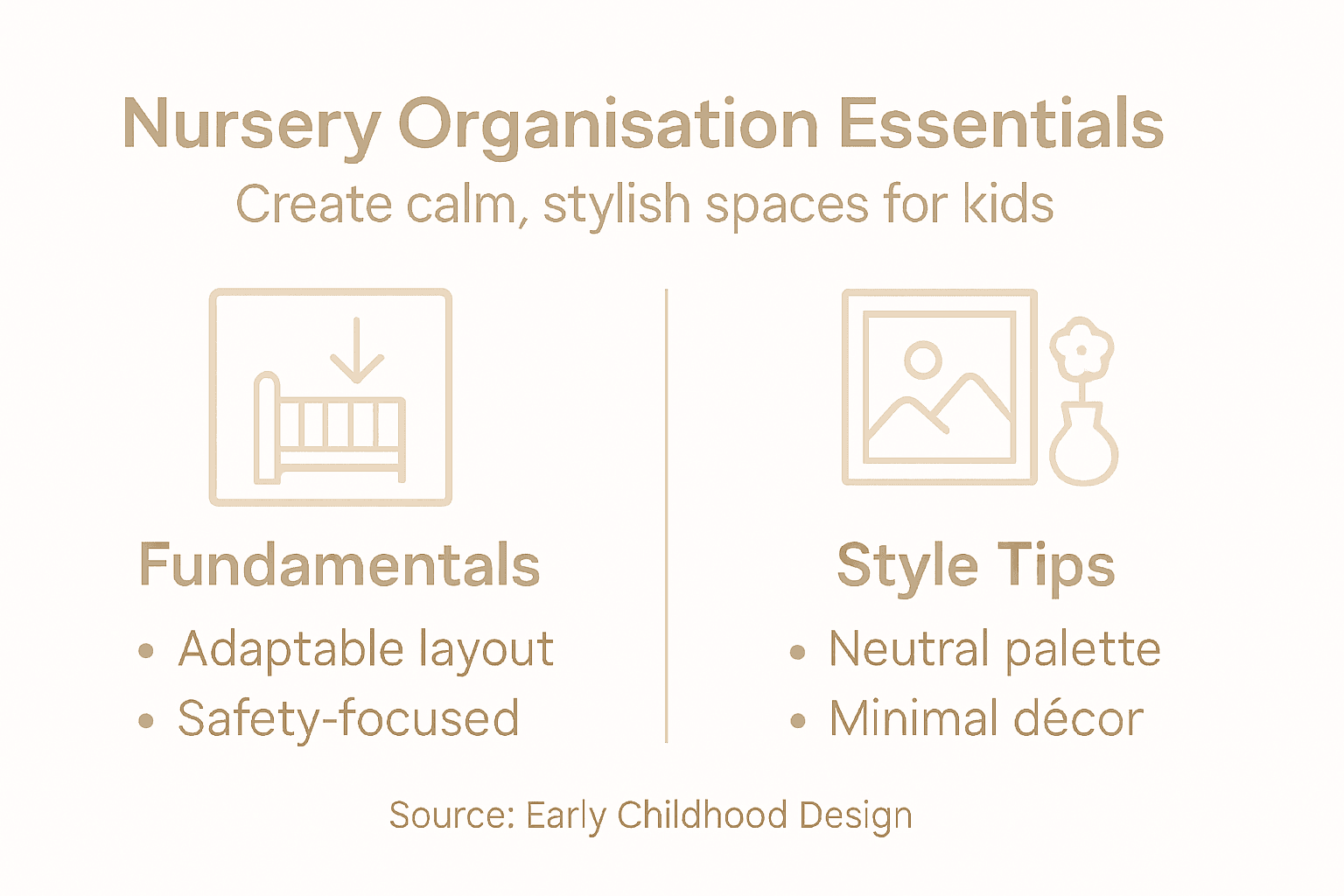
Pro tip: When designing a nursery, prioritise adaptable spaces that can evolve with your child’s changing developmental stages.
Types of Nursery Storage and Organisation Tools
Nursery storage solutions have evolved dramatically, offering parents innovative ways to create organised, functional spaces that support child development. Effective nursery storage tools range from clever spatial designs to multipurpose furniture pieces that maximise every square centimetre of available space.
Key storage options include:
- Vertical Shelving: Utilises wall space efficiently
- Hanging Organizers: Perfect for smaller items and accessories
- Multi-functional Furniture: Beds and chairs with built-in storage
- Labelled Storage Bins: Helps teach organisation skills
- Under-crib Containers: Maximises often-overlooked storage areas
Professional nursery designers emphasise the importance of choosing child-friendly storage solutions that balance accessibility, safety, and aesthetic appeal. Rolling carts, drawer organisers, and wall-mounted shelves provide flexible options that can adapt as children grow, supporting their developing independence and sense of order.
Choosing the right storage tools involves considering multiple factors. Material durability, child safety, ease of cleaning, and visual harmony with existing nursery décor are all crucial considerations. The goal is creating a space that feels both practical and inviting, where every item has a designated place and children can learn organisational skills naturally.
Here is a comparison of common nursery storage solutions and their unique benefits:
| Storage Tool | Key Benefit | Best Use Case |
|---|---|---|
| Vertical shelving | Saves floor space | Displaying books and toys |
| Hanging organisers | Keeps small items organised | Accessories and changing items |
| Multi-functional furniture | Combines storage and seating | Small nurseries |
| Under-crib containers | Utilises hidden space | Storing bedding and clothes |
Pro tip: Invest in adjustable storage solutions that can transition and grow alongside your child’s changing needs and developmental stages.
Key Principles for Functional, Stylish Nurseries
Creating a nursery that balances style and functionality requires thoughtful design and strategic planning. Nursery design principles emphasise creating spaces that are not just visually appealing but also practical for daily caregiving needs.
Key design considerations include:
- Colour Palette: Selecting soothing, neutral tones
- Furniture Selection: Choosing multi-functional pieces
- Layout Zoning: Creating distinct areas for sleeping, changing, and playing
- Storage Solutions: Implementing smart, accessible storage
- Aesthetic Harmony: Maintaining visual cohesion
Minimalist design approaches offer an elegant solution to nursery organisation. Minimalist nursery strategies prioritise quality over quantity, focusing on streamlined layouts that create calm, uncluttered environments. This approach allows parents to create spaces that are both visually serene and highly functional, supporting early childhood development while maintaining a sophisticated aesthetic.
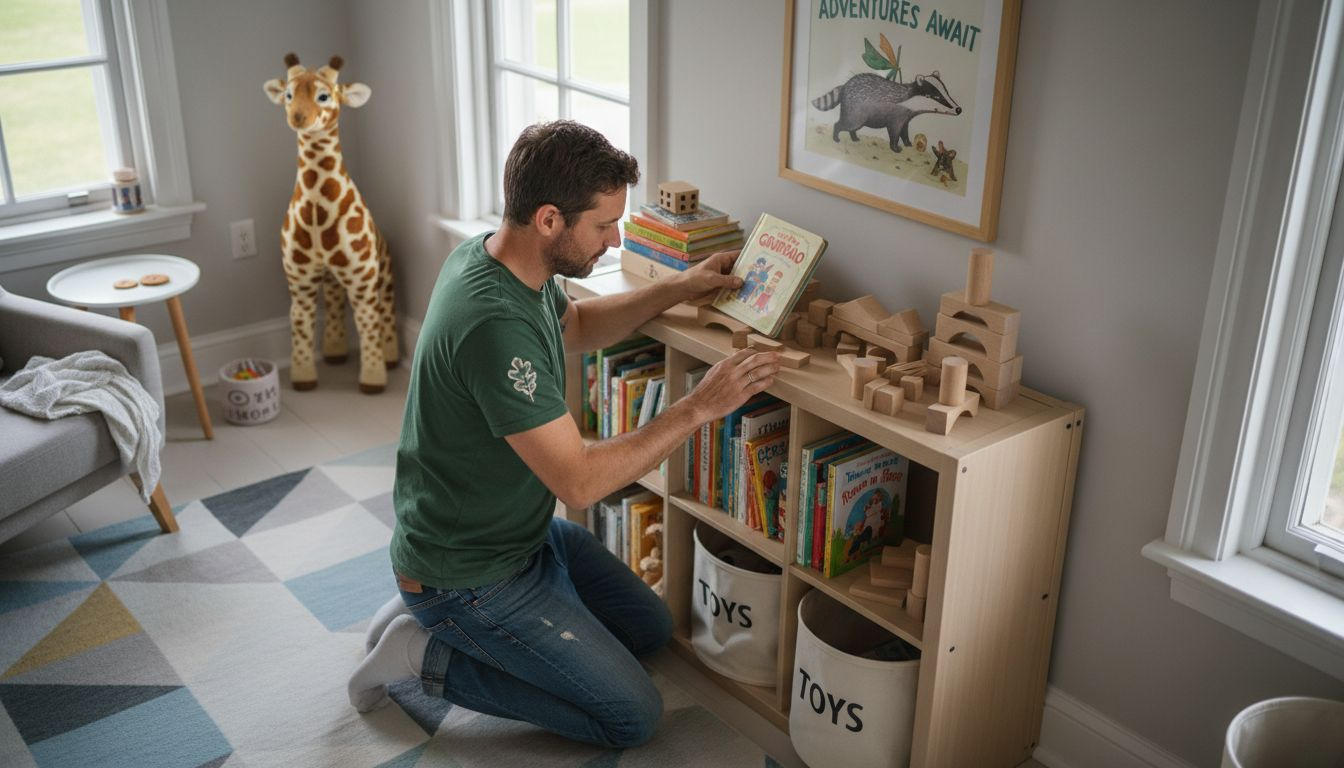
The ultimate goal is crafting a nursery that adapts to changing needs. By selecting versatile furniture, implementing clever storage solutions, and maintaining a cohesive design language, parents can create spaces that grow alongside their children - environments that are both practical and inspirational.
Pro tip: Invest in modular furniture and adaptable storage systems that can easily transition as your child develops through different developmental stages.
Safety, Sustainability, and Cost Considerations
Sustainable nursery practices require a holistic approach that balances child safety, environmental responsibility, and financial considerations. Parents must carefully evaluate materials, design choices, and long-term implications when creating nurturing spaces for their children.
Key focus areas include:
- Material Selection: Non-toxic, eco-friendly options
- Safety Standards: Complying with child protection regulations
- Environmental Impact: Reducing carbon footprint
- Financial Planning: Investing in durable, adaptable solutions
- Energy Efficiency: Minimising resource consumption
Financial considerations extend beyond initial purchasing costs. Sustainable nursery management involves strategic planning that considers maintenance expenses, potential for future reuse, and the overall lifecycle of nursery items. Investing in high-quality, versatile pieces can ultimately reduce long-term expenditure while supporting environmental sustainability.
The intersection of safety, sustainability, and cost requires thoughtful decision-making. Parents should prioritise products that offer robust safety features, use sustainable materials, and provide long-term value. This approach not only protects children but also contributes to a more responsible approach to resource consumption and environmental stewardship.
The following table summarises how safety, sustainability, and cost influence nursery design decisions:
| Consideration | Impact on Design | Long-term Benefit |
|---|---|---|
| Safety | Prioritise rounded edges | Fewer accidents, peace of mind |
| Sustainability | Choose renewable materials | Lower carbon footprint |
| Cost | Invest in durability | Saves money over time |
Pro tip: Choose multi-functional furniture pieces made from sustainable materials that can adapt to your child’s changing needs, maximising both safety and long-term economic value.
Common Mistakes in Nursery Organisation Choices
Nursery management challenges often stem from seemingly minor oversights that can significantly impact child care quality and organisational effectiveness. Understanding these potential pitfalls is crucial for creating nurturing, efficient spaces that support children’s development.
Key mistakes parents and caregivers frequently encounter include:
- Overcrowding: Failing to manage spatial layout effectively
- Inadequate Storage: Not planning for evolving child needs
- Inflexible Design: Creating static environments
- Poor Safety Considerations: Overlooking potential hazards
- Neglecting Adaptability: Choosing single-purpose furniture
Staff management and communication represent critical areas where early years provision can break down. Inconsistent induction procedures, high staff turnover, and weak leadership can disrupt the continuity of care and compromise the quality of children’s developmental experiences. These systemic issues extend beyond physical organisation into the realm of emotional and educational support.
Addressing these challenges requires a proactive, holistic approach. Parents and nursery managers must continuously evaluate their spaces, considering not just immediate needs but potential future requirements. This means selecting versatile furniture, maintaining clear communication channels, and creating environments that can seamlessly adapt to children’s growing and changing developmental stages.
Pro tip: Conduct a quarterly review of your nursery space, critically assessing its functionality, safety, and ability to support your child’s current developmental needs.
Transform Your Nursery Into a Calm and Stylish Sanctuary
Creating a nursery that balances functionality, style, and adaptability is key to supporting your child’s growth and wellbeing. The article highlights challenges such as overcrowding, inflexible design, and inadequate storage — all obstacles parents face when aiming to craft nurturing, clutter-free spaces. At Little Hive, we understand the importance of a thoughtful nursery organisation that fosters calm through timeless, durable pieces designed to grow with your child.
Explore our thoughtfully curated collection of nursery décor, wooden toys, and children’s accessories that bring harmony and simplicity to your child’s space. With an emphasis on sustainability and craftsmanship, our products help you create an environment that evolves with your child’s developmental stages while ensuring safety and style throughout. Discover elegant solutions that transform your nursery into a calm and inspiring haven now at Little Hive. Start your journey to a beautifully organised nursery today.
Frequently Asked Questions
What is nursery organisation and why is it important?
Nursery organisation involves creating purposeful and nurturing environments for young children by thoughtfully designing spaces that support their developmental, emotional, and educational needs. It is important as it enhances safety, fosters cognitive and emotional growth, and provides resources for family support.
What are some effective storage solutions for nurseries?
Effective nursery storage solutions include vertical shelving to save floor space, hanging organisers for small items, multi-functional furniture that combines seating and storage, and labelled storage bins that help teach children organisational skills.
How can I create a calm and stylish nursery environment?
To create a calm and stylish nursery, consider using a soothing colour palette, selecting multi-functional furniture, zoning the layout for different activities, and implementing smart storage solutions to maintain aesthetic harmony while ensuring functionality.
What sustainability considerations should I keep in mind when designing a nursery?
When designing a nursery, it’s essential to choose non-toxic, eco-friendly materials, comply with safety standards, consider the environmental impact of your choices, and invest in high-quality, durable items that will last and reduce the frequency of replacements.