

7 Inspiring Types of Nursery Decor for Calm, Stylish Spaces
Decorating a nursery can feel overwhelming when you want it to be both calming and inspiring for your child. Finding the right combination of comfort, style, and developmental support is often a challenge for parents who want every detail to matter. The good news is that thoughtful choices in natural materials, wall art, and sustainable furnishings can make a real difference in your nursery’s atmosphere and your baby’s early experiences.
This guide reveals how features like organic cotton textiles, gentle-themed wall art, and artisan-crafted wooden decor can turn any nursery into a nurturing and beautiful space. Get ready to uncover practical ideas that create warmth, encourage learning, and add personality—helping you give your child the best possible start.
Table of Contents
- Soft Textiles For A Cosy Nursery Ambience
- Wall Art And Prints To Spark Imagination
- Wooden Decor For Timeless Charm
- Sustainable Storage Solutions For Tidy Spaces
- Mobiles And Hangings For Gentle Visual Stimulation
- Rugs And Floor Cushions To Add Comfort
- Personalised Touches For A Unique Nursery
Quick Summary
| Takeaway | Explanation |
|---|---|
| 1. Choose breathable, organic textiles | Opt for natural fibres like cotton and wool for nursery fabrics to ensure comfort and safety. |
| 2. Incorporate meaningful personalised elements | Add custom decor that reflects your family’s identity and emotional connection to the nursery. |
| 3. Select artwork that encourages learning | Use soft pastel-themed art with educational themes for cognitive development and visual stimulation. |
| 4. Implement sustainable storage solutions | Choose eco-friendly and multi-functional storage options to maintain an organised and tidy nursery. |
| 5. Design mobiles with gentle visual stimulation | Select lightweight, high-contrast mobiles that engage infants and support early cognitive skills. |
1. Soft Textiles for a Cosy Nursery Ambience
Creating a warm, inviting nursery begins with selecting the right textiles that transform a simple room into a sanctuary of comfort. Natural fibres play a crucial role in establishing a soothing environment where your little one can rest and grow.
Organic cotton and wool are exceptional materials for nursery textiles, offering remarkable benefits beyond aesthetic appeal. These natural fabrics provide exceptional breathability, helping regulate your baby’s body temperature while feeling incredibly soft against delicate skin. Wool blankets, in particular, offer natural temperature control, keeping your infant warm in cooler moments and preventing overheating.
When selecting textiles, prioritise layers that can be easily mixed and matched. Consider a palette of neutral, calming tones like soft greys, muted blues, and gentle whites to create a serene atmosphere. Opt for textured throws, muslin swaddles, and lightweight blankets that can be strategically placed to add warmth and visual interest.
Key Textile Considerations:
- Choose breathable, organic materials
- Select soft, gentle textures
- Focus on neutral, calming colour schemes
- Prioritise temperature regulation
- Ensure easy washing and maintenance
Expert Tip: Layer your nursery textiles with varying weights and textures to create depth and adaptability in your baby’s sleeping environment.
2. Wall Art and Prints to Spark Imagination
Nursery wall art is far more than decorative embellishment it is a powerful tool for cognitive development and emotional nurturing. Wall art can stimulate visual recognition and spark imagination in young minds, transforming blank walls into windows of learning and wonder.
Carefully curated artwork serves multiple developmental purposes. Soft pastel themes featuring animals, nature scenes, alphabets, and numbers provide gentle visual stimulation that encourages curiosity and early learning. By selecting prints with gentle colour palettes and engaging imagery, you create an environment that nurtures both aesthetic beauty and cognitive growth.
Strategic Wall Art Selection:
- Choose artwork with soft pastel colours
- Focus on educational themes like animals and nature
- Include alphabets and number prints for early learning
- Select imagery that encourages visual exploration
- Prioritise calming visual compositions
Consider creating a gallery wall that evolves with your child. Start with simple, high contrast images for newborns, gradually introducing more complex and interactive prints as your little one grows. This approach ensures your nursery artwork remains developmentally appropriate and engaging.
Clever Tip: Position wall art at your baby’s eye level to maximise visual engagement and create an immersive learning environment.
3. Wooden Decor for Timeless Charm
Wooden decor represents the epitome of nursery elegance combining natural beauty with enduring functionality. Wooden accessories crafted by artisans transform nursery spaces into timeless sanctuaries of warmth and character.
Natural wooden elements offer remarkable versatility and sustainability. From intricately carved shelving to minimalist mobiles, these pieces create an organic connection with nature while providing visual interest. Sustainable wood sourcing ensures that each piece contributes to an environmentally conscious design approach, making wooden decor an investment in both aesthetics and ecological responsibility.
Wooden Decor Selection Principles:
- Choose pieces with smooth finishes
- Prioritise sustainably sourced timber
- Select versatile designs that grow with your child
- Focus on natural wood tones
- Consider multi functional wooden accessories
When selecting wooden decor, look for pieces that showcase the material’s inherent beauty. Handcrafted items from local artisans often provide unique character and support small scale craftsmanship. Consider wooden elements like storage boxes, picture frames, musical instruments, and decorative figurines that can become cherished heirlooms.
Expert Tip: Rotate wooden decor pieces periodically to prevent uneven sunlight exposure and maintain their natural lustre.
4. Sustainable Storage Solutions for Tidy Spaces
Navigating nursery organisation requires thoughtful planning and eco conscious choices that transform cluttered spaces into serene environments. Sustainable storage solutions offer parents an opportunity to create functional spaces while supporting environmental responsibility.
Eco friendly storage goes beyond mere organisation it represents a commitment to mindful living. Natural fibre baskets crafted from organic cotton and responsibly sourced materials provide elegant storage options that blend seamlessly with nursery aesthetics. Modular shelving systems allow for flexible arrangements that can adapt as your child grows, ensuring longevity and reducing unnecessary waste.
Strategic Storage Principles:
- Select multipurpose storage containers
- Prioritise natural and recycled materials
- Choose adaptable design elements
- Focus on minimal aesthetic
- Consider vertical storage options
When selecting storage solutions, look for pieces that serve multiple functions. Woven baskets can double as decorative elements while providing practical organisation. Consider open shelving with removable fabric boxes that can transition from baby essentials to toddler toys with minimal redesign.
Expert Tip: Invest in storage solutions with neutral colour palettes and simple designs to ensure they remain versatile as your nursery style evolves.
5. Mobiles and Hangings for Gentle Visual Stimulation
Nursery mobiles represent more than decorative elements they are sophisticated tools for early childhood development. Nursery mobiles stimulate visual pathways and engage infants through carefully designed movement and visual composition.
Designing an effective mobile requires understanding infant visual perception. Soft contrasting shapes with gentle motion encourage babies to track movement, supporting neural pathway development and visual tracking skills. The ideal mobile combines delicate aesthetics with purposeful design balanced to capture and maintain an infant’s curious attention.
Mobile Selection Principles:
- Choose high contrast colour schemes
- Select lightweight moving elements
- Prioritise soft natural materials
- Consider subtle sound integration
- Ensure safe hanging mechanisms
Position mobiles strategically within the nursery to maximise visual engagement. Hanging them at appropriate distances from the cot allows babies to focus and explore without straining. Rotate designs periodically to prevent visual fatigue and maintain sensory interest.
Expert Tip: Select mobiles with removable elements that can transition into standalone toys as your child grows older.
6. Rugs and Floor Cushions to Add Comfort
Transforming nursery floor spaces requires thoughtful selection of textiles that blend comfort with functionality. Natural wool rugs create safe spaces for infant exploration and play, offering warmth and protection simultaneously.
Natural fibre rugs and floor cushions serve multiple purposes beyond mere decoration. They provide soft landing zones for emerging mobility skills, create defined play areas, and offer thermal insulation against cold flooring. Wool and organic cotton materials ensure hypoallergenic surfaces that are gentle on sensitive skin while supporting early childhood development.
Rug and Cushion Selection Principles:
- Choose natural breathable materials
- Prioritise soft yet durable fabrics
- Select neutral colour palettes
- Consider easy cleaning capabilities
- Ensure non slip backing designs
Consider layering different textures to create visual depth and sensory interest. Combine a larger neutral wool rug with smaller textured floor cushions in complementary tones. This approach allows flexibility in design while maintaining a cohesive nursery aesthetic that can adapt as your child grows.
Expert Tip: Select machine washable rugs and cushions to simplify maintenance and ensure consistent hygiene in your nursery environment.
7. Personalised Touches for a Unique Nursery
A nursery transforms from a simple room into a cherished sanctuary through thoughtful personalisation. Custom decor elements create meaningful spaces that reflect your family’s unique story and love.
Personalised touches go beyond mere decoration they establish an emotional connection with your child’s environment. Thoughtful elements like custom name signs, bespoke wall art, and commemorative growth charts can weave narratives of family heritage and individual identity into the nursery’s fabric.
Personalisation Strategy Principles:
- Select meaningful design elements
- Incorporate family stories and traditions
- Choose sustainable and adaptable pieces
- Balance aesthetic appeal with sentimentality
- Consider long term design flexibility
Consider creating modular personalised elements that can evolve with your child. A beautiful hand painted initial could later become part of a larger name artwork. Wooden name plaques crafted from sustainable materials can transition from nursery decor to a cherished bedroom feature as your child grows.
Expert Tip: Choose personalisation elements in neutral colour palettes to ensure they remain timeless and adaptable to changing nursery aesthetics.
Below is a comprehensive table summarising the core insights and recommendations discussed in the article regarding designing a cosy and functional nursery environment.
| Aspect | Key Features | Benefits |
|---|---|---|
| Soft Textiles | Utilise organic cotton and wool fabrics, offer breathability, select gentle textures, use a neutral colour palette. | Ensures a comfortable, temperature-regulated environment benefiting the baby’s health and sleep. |
| Wall Art and Prints | Choose soft pastel tones, educational themes, visual exploration imagery, positioned at baby’s eye level. | Fosters cognitive development, encourages visual engagement, and creates a soothing ambiance. |
| Wooden Décor | Use sustainably sourced wooden materials for furniture and accessories such as shelves, mobiles, and frames. | Adds timeless elegance, eco-friendliness, and durability suitable for long-term use. |
| Storage Solutions | Opt for modular, eco-friendly storage made from natural materials, ensuring neutral aesthetics. | Simplifies organisation, adapts to changing needs, and supports environmental responsibility. |
| Mobiles | Implement designs with high-contrast visuals, soft materials, and gentle motion. Place them safely within the baby’s visual range. | Supports cognitive and visual development while maintaining a calming influence. |
| Rugs and Floor Cushions | Choose rugs and cushions made from hypoallergenic materials, which offer comfort and thermal insulation. | Provides a safe, cosy area for play and mobility development while enhancing nursery aesthetics. |
| Personalised Touches | Incorporate bespoke name signs, custom artwork, and narrative-driven decor pieces with a neutral tone for timeless appeal. | Creates emotional connection and a unique space reflecting family heritage and child identity. |
Discover Timeless Nursery Décor That Brings Calm and Style to Your Little One’s Space
Creating a serene and stylish nursery can feel overwhelming when you aim for softness, sustainability, and meaningful design. This article highlights the importance of natural fibres, wooden decor, and personalised touches to craft a calming ambience while supporting cognitive and emotional development. If you seek elegant, durable pieces that nurture your child’s environment with breathable textiles and handcrafted wooden accessories, Little Hive offers a carefully curated range designed just for this.
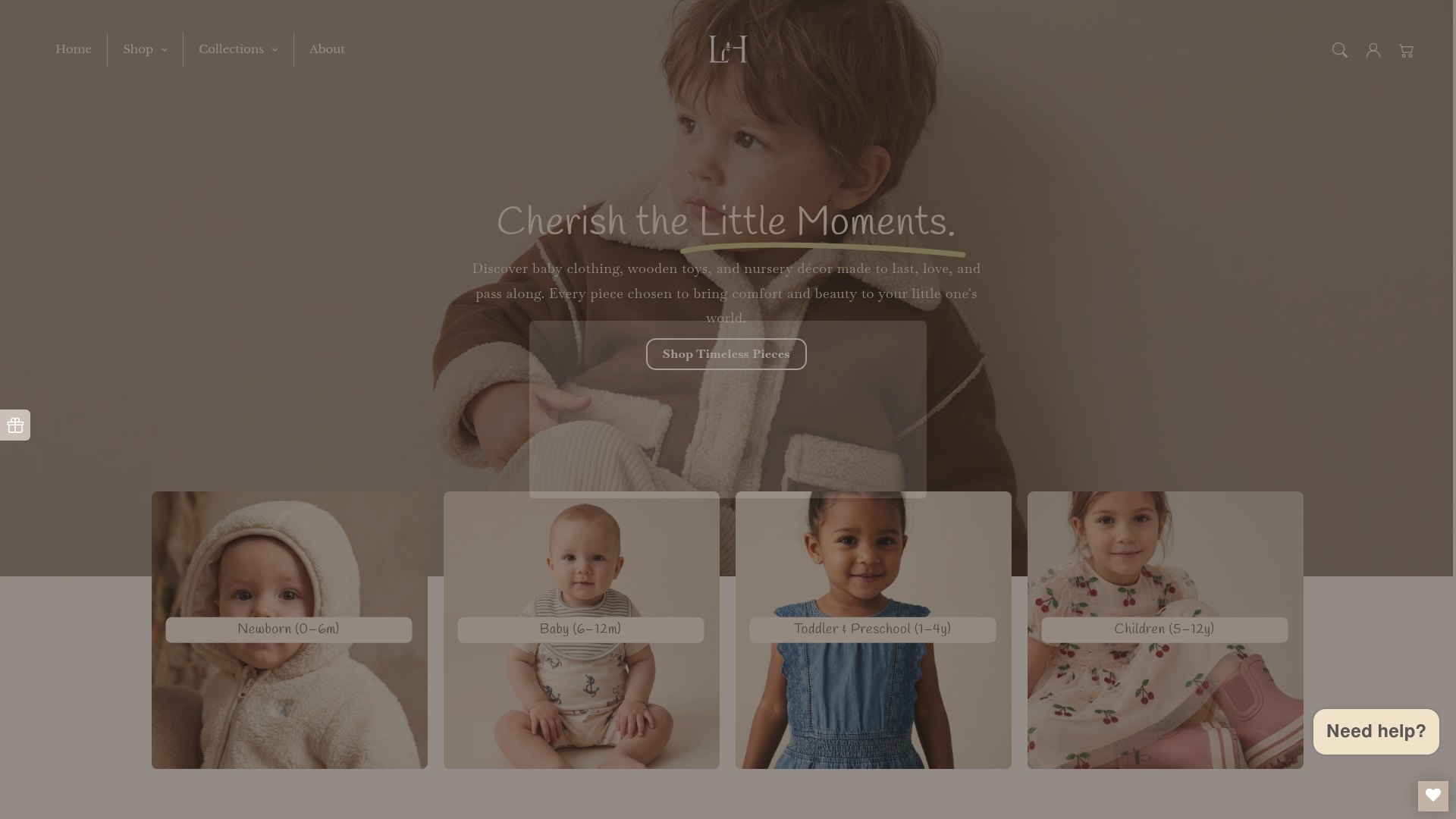
Explore our collection of nursery décor, mobiles, and toys to bring these inspiring ideas to life. Shop now at Little Hive for trusted craftsmanship and sustainable style that evolves with your child. Take the first step to transform your nursery into a beautiful sanctuary today at Little Hive.
Frequently Asked Questions
How can I create a calming atmosphere in my baby’s nursery?
To create a calming atmosphere, focus on soft textures, natural materials, and a neutral colour palette. Incorporate organic textiles, such as cotton and wool, to enhance comfort while layering different fabric weights to add visual interest.
What types of wall art should I consider for my nursery?
Choose wall art that features soft pastel colours and educational themes, such as animals or numbers. This not only beautifies the space but also aids in cognitive development, so aim to select images that can grow with your child’s interests.
What are effective storage solutions for a nursery?
Opt for multipurpose storage options made from natural or recycled materials. Look for baskets that serve as decorative elements and functional storage to keep the nursery tidy while maintaining an inviting aesthetic.
How do I select rugs and cushions for the nursery?
Choose rugs and cushions made from natural, breathable materials that provide comfort and safety. Ensure the items are machine washable for easy maintenance, allowing you to maintain cleanliness without much hassle.
What personalised elements can I add to my nursery design?
Incorporate personalised decor items, such as custom name signs or growth charts, to create a unique environment. Focus on elements that reflect your family’s story and can adapt as your child grows, ensuring longevity in design and sentiment.