

7 Types of Nursery Accessories to Elevate Kids’ Spaces
Translating your vision of a peaceful, inspiring nursery into reality can feel overwhelming. You want a space that feels organised and calming without sacrificing practical comfort or style for your little one. Finding accessories that support your child’s wellbeing, stimulate their mind, and keep the room inviting is a challenge many parents face.
You will soon discover actionable ways to achieve a harmonious nursery using accessories that do much more than decorate. This guide highlights specific ideas backed by research on comfort, cognitive development, and effective organisation. Get ready to find solutions that combine visual appeal, clever storage, and developmental benefits—each designed to help your child thrive and make daily life easier for your whole family.
Table of Contents
- Soft Furnishings For Comfort And Style
- Storage Solutions To Reduce Clutter
- Decorative Mobiles For Visual Calm
- Wall Art To Inspire Little Minds
- Lighting Choices For Gentle Ambience
- Functional Changing Stations
- Eco-Friendly Toys And Decorative Accents
Quick Summary
| Takeaway | Explanation |
|---|---|
| 1. Choose Soft Furnishings Wisely | Select natural fabrics like organic cotton and neutral tones to create a calming environment for your child. |
| 2. Maximise Vertical Storage | Use floating shelves and modular furniture to keep the nursery organized without cluttering floor space. |
| 3. Invest in Quality Lighting | Implement warm, adjustable lighting to support your child’s natural rhythms and create a soothing atmosphere. |
| 4. Select Eco-Friendly Toys | Opt for sustainable materials to ensure a safe play environment and reduce exposure to harmful chemicals. |
| 5. Organise Your Changing Station | Design a changing station with easy access to supplies to streamline the diaper-changing process and enhance safety. |
1. Soft Furnishings for Comfort and Style
Soft furnishings transform a nursery from a basic room into a warm, inviting sanctuary where your child feels secure and comfortable. These accessories, such as cushions, throws, bean bags, and upholstered seating, serve a dual purpose: they provide essential physical comfort whilst creating a visually cohesive design that reflects your family’s aesthetic. When chosen thoughtfully, soft furnishings become the foundation of a calming environment that supports your child’s wellbeing during those crucial early years.
The research supporting soft furnishings in children’s spaces is compelling. Soft furnishings create emotionally and physically comfortable environments where young children feel safe and supported, which directly influences their emotional wellbeing and sense of security. Cushioned seating, padded play mats, and soft textiles reduce stress by providing comfortable, flexible spaces that adapt to your child’s needs throughout the day. Consider how a plush armchair in the corner invites quiet moments with you, or how a soft play mat gives your toddler a cushioned surface for exploration. These pieces aren’t merely decorative; they’re functional investments in your child’s comfort and development.
When selecting soft furnishings for your nursery, prioritise natural fabrics like organic cotton, linen, and wool that are gentle on sensitive skin and breathable for year-round use. Choose neutral tones or soft pastels that complement your existing décor and create that serene atmosphere Little Hive celebrates. Look for pieces with removable, washable covers so you can maintain cleanliness effortlessly as your child grows. Layering textures through different cushion covers, throws, and rugs adds depth to your space whilst maintaining visual calm.
Pro tip Select soft furnishings in coordinating fabrics and colours to create visual harmony, then add personality through one or two statement cushions or throws that you can easily swap out as your child’s interests and your design preferences evolve.
2. Storage Solutions to Reduce Clutter
A cluttered nursery creates visual chaos that can overwhelm both you and your child, making it harder to maintain calm and focus during those precious early years. Smart storage solutions transform your nursery into an organised, peaceful space where everything has its place and daily routines become manageable. When your nappies, lotions, clothing, and toys are properly stored, you save time searching for essentials whilst creating an environment that feels intentional and serene.
The key to effective nursery organisation lies in thinking vertically rather than horizontally. Maximising vertical space with floating shelves and modular furniture optimises every inch of your nursery without overwhelming the room or consuming precious floor space where your child will play and grow. Instead of pushing storage units along walls and creating visual heaviness, floating shelves draw the eye upward and maintain that airy, calm atmosphere that makes a nursery feel welcoming. Open shelving also keeps frequently used items like nappies, wipes, and changing supplies at arm’s reach during those frantic 3 a.m. changes. Modular storage systems adapt as your needs change, allowing you to reconfigure shelves and compartments as your child transitions from newborn essentials to toddler clothing and books.
There are several practical approaches to implementing clutter reducing storage in your nursery. Labelled baskets and woven storage boxes containing similar items help you maintain organisation at a glance, and choosing natural materials like seagrass or rattan complements the calm aesthetic that Little Hive celebrates. Install shelving at varying heights to accommodate different item sizes and create visual interest without appearing chaotic. Consider dedicating one closed storage unit (perhaps a cupboard or wardrobe) for items you don’t need daily, keeping your visible space reserved for things your child and you actually use regularly. Rotate toys and books seasonally, storing extras away to reduce visual noise whilst giving your child a fresh selection that feels new and engaging.
Pro tip Invest in clear, stackable storage containers for nappies and supplies so you can see contents at a glance and quickly identify when you need to reorder, whilst maintaining the clean, organised aesthetic throughout your nursery.
3. Decorative Mobiles for Visual Calm
A thoughtfully chosen mobile does far more than hang above your baby’s cot. It serves as a gentle introduction to your nursery’s visual world, providing soft movement and colour that captures your infant’s attention whilst creating a soothing, intentional atmosphere. Mobiles combine aesthetic beauty with developmental benefits, making them one of the most valuable accessories you can introduce to your child’s space from day one.
When your baby gazes upward at a mobile, something remarkable happens. Visual stimulation through mobiles supports cognitive development by encouraging infants to track moving objects and engage their developing brains in a calming way. As your baby follows the gentle swaying of shapes and colours, they’re building neural pathways and developing focus skills without any pressure or overstimulation. The soft, predictable movement of a well designed mobile creates a soothing environment that aids emotional wellbeing, helping your child feel secure and settled. Carefully selected mobiles also engage auditory senses through gentle tinkling sounds or soft musical elements, creating a multisensory experience that supports early learning whilst maintaining that crucial calm atmosphere.
When selecting a mobile for your nursery, choose designs that reflect your aesthetic preferences and the overall mood you want to create. Natural materials like wood and organic fabrics align beautifully with the timeless, sustainable philosophy that Little Hive champions, ensuring your mobile remains a cherished piece rather than a trend that quickly feels dated. Soft, muted colour palettes create visual calm, whilst simple geometric shapes or nature inspired designs avoid overstimulation during crucial rest times. Position your mobile where your baby can safely view it from their cot without the risk of them reaching or pulling it down as they grow and develop. Remember that less is often more with mobiles; a single, well chosen piece creates more visual impact and maintains serenity than multiple competing designs.
Pro tip Invest in a quality mobile with adjustable hanging height and removable components so it grows with your child, transitioning from a cot mobile to a decorative accent piece in a toddler’s bedroom.
4. Wall Art to Inspire Little Minds
Wall art transforms your nursery from a bare, institutional space into an inspiring environment that speaks to your child’s sense of wonder and curiosity. The artwork you choose sets the emotional tone of the room, communicating through colour, imagery, and design that this is a place where imagination flourishes and learning happens naturally. Unlike temporary decorations, thoughtfully selected wall art becomes a permanent part of your nursery’s character, growing with your child from infancy through the toddler years.
The impact of wall art on early childhood development is significant. Nursery wall art featuring whimsical designs enhances cognitive development by providing visual stimulation that captures your child’s attention and encourages brain growth in a balanced, age appropriate way. When your infant gazes at a nature themed piece or a playful animal illustration, their developing brain processes colours, shapes, and patterns that support neural connections. As your toddler grows, wall art becomes a conversation starter and learning tool, with educational motifs sparking curiosity about animals, letters, numbers, and the natural world. The key is choosing art that balances visual stimulation with calm aesthetics, avoiding overly bright or busy designs that create visual chaos rather than inspire focus.
When selecting wall art for your nursery, prioritise pieces that reflect your family’s values and the peaceful atmosphere you want to cultivate. Nature inspired themes, gentle animal illustrations, and botanical prints align beautifully with Little Hive’s philosophy of timeless, sustainable design that remains relevant as your child grows. Choose artwork created from durable, safe materials and displayed at a height where your toddler cannot reach or pull it down. Consider mixing framed prints, canvas pieces, and perhaps a textile wall hanging to add depth and texture without overwhelming the space. Start with one or two meaningful pieces rather than covering every wall, allowing negative space to contribute to the calm aesthetic. Remember that the best nursery wall art is something that brings you joy too because you’ll be gazing at it during countless nights and early mornings.
Pro tip Select wall art in a cohesive colour palette that coordinates with your soft furnishings and storage solutions so the entire room feels intentionally designed rather than assembled from unrelated pieces.
5. Lighting Choices for Gentle Ambience
Lighting is one of the most underestimated elements in nursery design, yet it profoundly influences how your child feels in their space and how their developing brain responds to their environment. The right lighting creates a sense of calm and security whilst supporting your child’s natural rhythms, whereas harsh or inadequate lighting can create stress and disrupt sleep patterns. Thoughtful lighting choices transform your nursery from a functional room into a sanctuary where your child feels genuinely at ease.
The science behind lighting in nurseries is compelling. Appropriate lighting enhances cognitive function and supports attention restoration in early childhood environments, with varied lighting conditions directly influencing children’s energy levels and overall pleasantness. Soft, warm lighting activates the parasympathetic nervous system, signalling to your child’s body that it is time to rest and feel safe. During daytime, natural light exposure supports healthy circadian rhythms and cognitive development, whilst during evening hours, dimmer, warmer toned lighting helps prepare your child for sleep. The colour temperature of your lighting matters significantly; warm white light at 2700 Kelvin feels inviting and calming, whilst cooler blue tones can feel harsh and stimulating at bedtime. By considering your child’s perspective when designing the lighting scheme, you foster an environment where creativity and exploration feel natural and supported.
Implementing effective nursery lighting involves layering different options to suit various times of day and activities. Install a dimmer switch on your main ceiling light so you can adjust brightness from stimulating during playtime to soft during nappy changes and bedtime routines. Introduce a warm table lamp or wall sconce that provides gentle ambient lighting without harsh shadows or glare. Consider blackout curtains or blinds that block external light during daytime naps, helping to regulate your child’s sleep patterns. Avoid harsh overhead lighting as the only option, and never use bright white or blue toned lights near your child’s sleep area. Natural materials like linen lampshades diffuse light beautifully whilst maintaining the calm aesthetic that defines Little Hive’s approach to nursery design.
Pro tip Invest in warm white LED bulbs with a dimmer compatible fixture, allowing you to create multiple lighting scenarios from bright and engaging to soft and soporific, adapting to your child’s needs throughout the day.
6. Functional Changing Stations
A well designed changing station is where functionality meets comfort, making one of parenthood’s most frequent tasks feel manageable and even pleasant. Your changing station will be used countless times daily during your child’s early years, so investing in proper design, accessible storage, and ergonomic features directly impacts your wellbeing and your child’s safety. The best changing stations combine practical organisation with aesthetic appeal, seamlessly fitting into your nursery’s overall design whilst being utterly efficient.
When designing your changing station, ergonomics and safety are paramount. Stable and accessible changing station design accommodates both caregiver and child safely, reducing strain on your back and ensuring your baby remains secure throughout the process. Your changing surface should be at a comfortable height that allows you to change your baby without excessive bending, typically around waist height or slightly higher. The surface itself must be firm and stable, with slightly raised edges or safety rails to prevent your child from rolling, and should feature a waterproof, easy to clean covering. Position your changing station near natural light if possible, as good visibility ensures you notice any skin concerns and makes the experience more pleasant for both of you. Store all essentials within arm’s reach without needing to turn away from your baby, including nappies, wipes, creams, and clothing.
Creating an organised changing station means thoughtfully categorising your supplies so everything serves a purpose and contributes to efficiency. Install wall mounted shelving or use a chest of drawers underneath your changing surface to keep nappies, clothes, and toiletries organised and accessible. Consider dividing storage into categories like everyday essentials, skincare products, and backup supplies so you can quickly locate what you need during a nappy change. Use baskets or drawer dividers to prevent items from shifting, and label everything clearly if other caregivers will use the station. Add a small waste bin within reach but positioned so odours stay contained. The finishing touch is choosing storage solutions in natural materials and neutral colours that complement your nursery’s aesthetic rather than creating visual clutter, maintaining that calm environment throughout your space.
Pro tip Arrange your changing supplies in a specific sequence matching your nappy changing routine, so your hands know exactly where to reach without looking away from your baby.
7. Eco-Friendly Toys and Decorative Accents
Choosing eco-friendly toys and decorative accents for your nursery sends a powerful message about your values whilst creating a safer, healthier environment for your child. Every item you introduce to your nursery has a story, from its materials and manufacturing process to its eventual lifespan in your home. By selecting sustainable options, you’re investing in your child’s immediate wellbeing and contributing to a healthier planet for their future.
The case for eco-friendly nursery items goes beyond environmental responsibility. Sustainable, non-toxic materials protect children’s health by reducing exposure to harmful chemicals whilst supporting long-term durability and safety in nursery décor. Conventional toys often contain volatile organic compounds and synthetic dyes that off-gas into your child’s breathing space, whilst eco-friendly alternatives use natural, plant-based materials that are gentler on developing lungs and skin. When toys are crafted from organic fabrics and finished with natural dyes, your child experiences sensory stimulation without the risk of chemical exposure. Beyond health benefits, sustainably sourced materials from responsibly managed forests and recycled components mean your nursery accessories retain their beauty and function for years, potentially even becoming cherished heirlooms passed to future children. This durability represents genuine value, transforming eco-friendly choices from a premium option into a smart long-term investment.
When selecting eco-friendly toys and decorative accents, prioritise items made from certified organic cotton, sustainably harvested wood, and natural rubber. Look for toys finished with water-based paints and dyes rather than synthetic colours, checking product certifications that verify safety standards. Choose wooden toys and natural fibre decorative pieces over plastic alternatives, as they age beautifully and develop character over time rather than becoming worn and faded. Eco-friendly toys designed with natural materials support cognitive engagement whilst minimising environmental impact, creating toys that feel substantial and real in your child’s hands. Consider the entire lifecycle of each piece you bring into your nursery, asking whether it aligns with your values and whether it will endure through your child’s early years and beyond. Little Hive’s curated collection embodies this philosophy, featuring carefully sourced toys and decorative accents that combine timeless design with genuine sustainability.
Pro tip Select a few high-quality eco-friendly toys and rotate them regularly rather than overwhelming your child with numerous plastic alternatives, creating a calm play environment whilst teaching the value of cherishing what you own.
Below is a comprehensive table summarising the main considerations and recommendations for designing a functional, comfortable, and child-friendly nursery as discussed in the article.
| Aspect | Description | Key Recommendations |
|---|---|---|
| Soft Furnishings | Adding warmth and comfort to the nursery space. | Use natural fabrics, opt for neutral or pastel tones, and ensure pieces have removable, washable covers. |
| Storage Solutions | Reducing clutter and maintaining organisation in the nursery. | Utilise vertical storage, employ modular systems, and use labelled, natural material containers. |
| Decorative Mobiles | Enhancing visual stimulation and creating a soothing atmosphere. | Select mobiles made of natural materials, ensure safe placement, and focus on muted colours. |
| Wall Art | Stimulating curiosity and creating an engaging environment. | Choose nature-inspired or educational themes, use durable materials, and avoid over-decorating. |
| Lighting Choices | Setting ambience and supporting natural rhythms. | Implement dimmers for adjustable brightness, prefer warm lighting, and consider layers of illumination. |
| Changing Stations | Balancing functionality with ease of use. | Ensure proper ergonomic design, organised storage, and use of safe and aesthetic materials. |
| Eco-Friendly Items | Promoting safety, sustainability, and responsibility. | Select toys and accents made from certified organic and sustainable materials, prioritising durability and non-toxic properties. |
This table encapsulates the vital points for designing an inviting and practical nursery space while aligning with sustainable and child-friendly practices.
Elevate Your Nursery with Thoughtful, Timeless Accessories from Little Hive
Creating a calm and organised nursery that supports your child’s wellbeing can feel overwhelming when faced with numerous choices. This article highlights common challenges such as reducing clutter with smart storage solutions, selecting soft furnishings that provide comfort without overstimulation, and choosing beautiful yet functional mobiles and wall art. These elements contribute to a serene space that nurtures your child’s development while reflecting your family’s style.
At Little Hive, we understand these parenting goals and offer a carefully curated selection of nursery décor and accessories designed to bring harmony, durability, and gentle aesthetics into your child’s space. Whether you seek eco-friendly toys, ergonomic changing stations, or soft furnishings crafted from natural fabrics, our collection provides timeless pieces that grow with your child and create a sanctuary you can cherish.
Discover Little Hive’s Nursery Décor
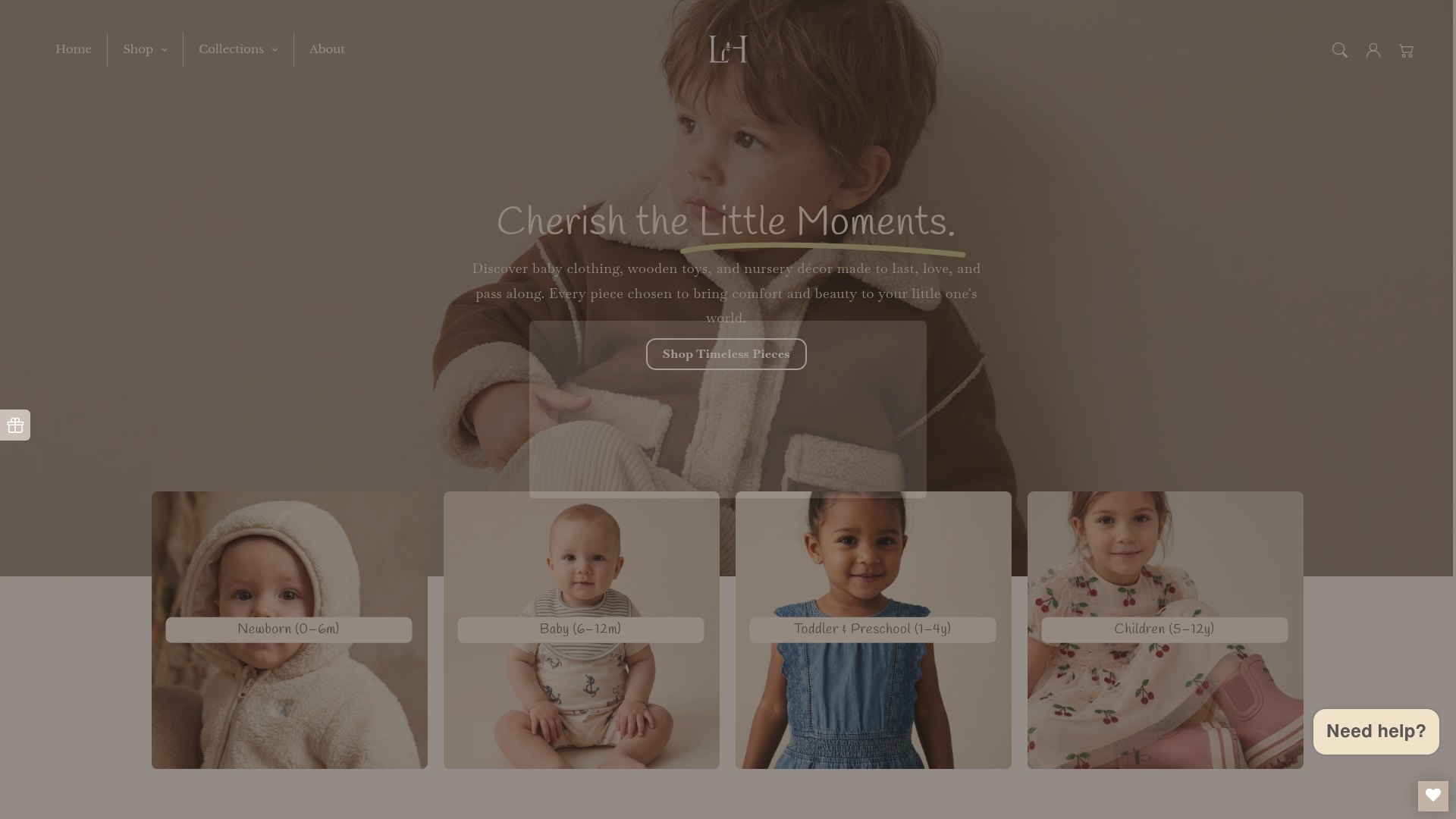
Transform your nursery today with beautiful, practical items that support your daily routines and enhance emotional calm. Shop now at Little Hive to create the peaceful, stylish environment your family deserves.
Frequently Asked Questions
What are the key benefits of using soft furnishings in a nursery?
Soft furnishings enhance both comfort and style in a nursery. They create a warm, inviting atmosphere while providing physical comfort for your child; thus, consider incorporating items like cushions and throws to complement your design.
How can I effectively reduce clutter in my nursery?
To reduce clutter, implement smart storage solutions that maximise vertical space, such as floating shelves. Organise essential items in labelled baskets to keep the nursery tidy and calm, making sure everything has its place.
What should I consider when selecting a mobile for my baby’s cot?
When choosing a mobile, look for designs that provide visual stimulation without causing overstimulation. Select soft colours and simple shapes to create a calming atmosphere while enhancing cognitive development; ensure it can be adjusted as your child grows.
How does wall art impact my child’s development in the nursery?
Wall art plays a significant role in early childhood development by providing visual stimulation that encourages cognitive growth. Choose pieces that are meaningful and reflect a calming aesthetic to inspire curiosity and creativity in your child’s space.
What types of lighting are best for creating a calming nursery environment?
Opt for warm, soft lighting to ensure a calming atmosphere in the nursery, as it supports your child’s natural rhythms. Implement dimmer switches or a combination of ambient and task lighting to adjust the brightness based on the time of day and activity, promoting relaxation during sleep times.
How can I create an efficient and functional changing station in my nursery?
Design your changing station with ergonomics in mind, ensuring it is at a comfortable height for changing your baby. Organise supplies within reach, categorised clearly, to streamline the process and maintain a tidy environment during daily routines.
Recommended
- Role of Accessories in Nursery – Creating Calm, Sustainable Spaces – The Little Hive
- Complete Baby Accessories Setup Process for Stylish Nurseries – The Little Hive
- How to Select Nursery Accessories for a Calm, Stylish Space – The Little Hive
- 7 Inspiring Types of Nursery Decor for Calm, Stylish Spaces – The Little Hive