

How to Choose Baby Clothing for Style and Comfort
The first few months with your newborn bring a mix of daily discoveries and endless laundry. For design-conscious parents in the United Kingdom, choosing baby clothing goes far beyond cute patterns. It is about balancing style with thoughtful comfort, ensuring every item in your baby’s wardrobe supports a calm, sustainable environment. This guide highlights how selecting season-appropriate fabrics and natural materials helps your little one stay comfortable and lets your nursery’s aesthetic shine without compromise.
Table of Contents
- Step 1: Assess Your Baby’s Needs and Season
- Step 2: Select High-Quality and Natural Fabrics
- Step 3: Evaluate Style and Practical Details
- Step 4: Verify Fit and Allow for Growth
- Step 5: Check for Sustainability and Care Instructions
Quick Summary
| Key Insight | Explanation |
|---|---|
| 1. Assess Baby’s Needs by Season | Understand your baby’s preferences and the seasonal climate to choose the right clothing for comfort. |
| 2. Choose Natural High-Quality Fabrics | Opt for organic materials like cotton and bamboo to enhance your baby’s comfort and wellbeing. |
| 3. Prioritise Functional Design Elements | Look for practical features like adjustable fastenings and loose necklines for easier dressing and comfort. |
| 4. Ensure Proper Fit and Growth Allowance | Allow room for growth in clothing to extend wearability and avoid frequent replacements. |
| 5. Verify Sustainability and Care Instructions | Select clothing from responsible brands and ensure they are easy to care for to maintain longevity. |
Step 1: Assess Your Baby’s Needs and Season
Before you fill your wardrobe with adorable pieces, take a moment to think about what your baby actually needs right now. This is where thoughtful dressing begins. Your newborn’s comfort depends on understanding two things at this stage: their individual temperament and what the current season demands. Some babies run warm, others seem perpetually cold. Some despise tight clothing round their neck, others barely notice. By observing your baby over a few days, you’ll spot these patterns quickly.
Seasonal dressing shapes everything. A baby born in June faces completely different requirements than one arriving in December. This isn’t just about aesthetics, though that matters to you. It’s about preventing your baby from overheating or becoming chilled, both of which affect their sleep and contentment. Breathable fabrics matter enormously in warm months, whilst layering becomes your secret weapon when temperatures drop. The research shows that choosing season appropriate fabrics like lightweight cotton for summer and thicker blends for winter makes a tangible difference to your baby’s comfort. In spring and autumn, your approach needs flexibility. Those transitional months demand pieces that work with layers, because mornings feel crisp whilst afternoons warm up entirely.
Consider also how often you’ll need to change outfits. Winter babies in thick clothing may only need one or two changes daily, whilst summer newborns sweating through onesies might need four or five. Think about your washing routine too. Are you someone who launders daily, or do you prefer a rhythm of every few days? This influences how many pieces of each size you truly need. When you understand your baby’s specific needs and your local climate patterns, everything else becomes easier.
Pro tip: Watch your baby for 48 hours before shopping to notice whether they prefer loose or fitted clothing, and check your local weather forecast for the next three months to spot seasonal patterns before purchasing items you might not use.
Step 2: Select High-Quality and Natural Fabrics
Now that you understand your baby’s needs, it’s time to focus on what touches their delicate skin. Fabric choice matters more than style at this stage, though the two can absolutely work together. Your baby’s skin is far more permeable and sensitive than yours, which means what you choose directly affects their comfort, temperature regulation, and overall wellbeing. This is where natural materials become your best friend.
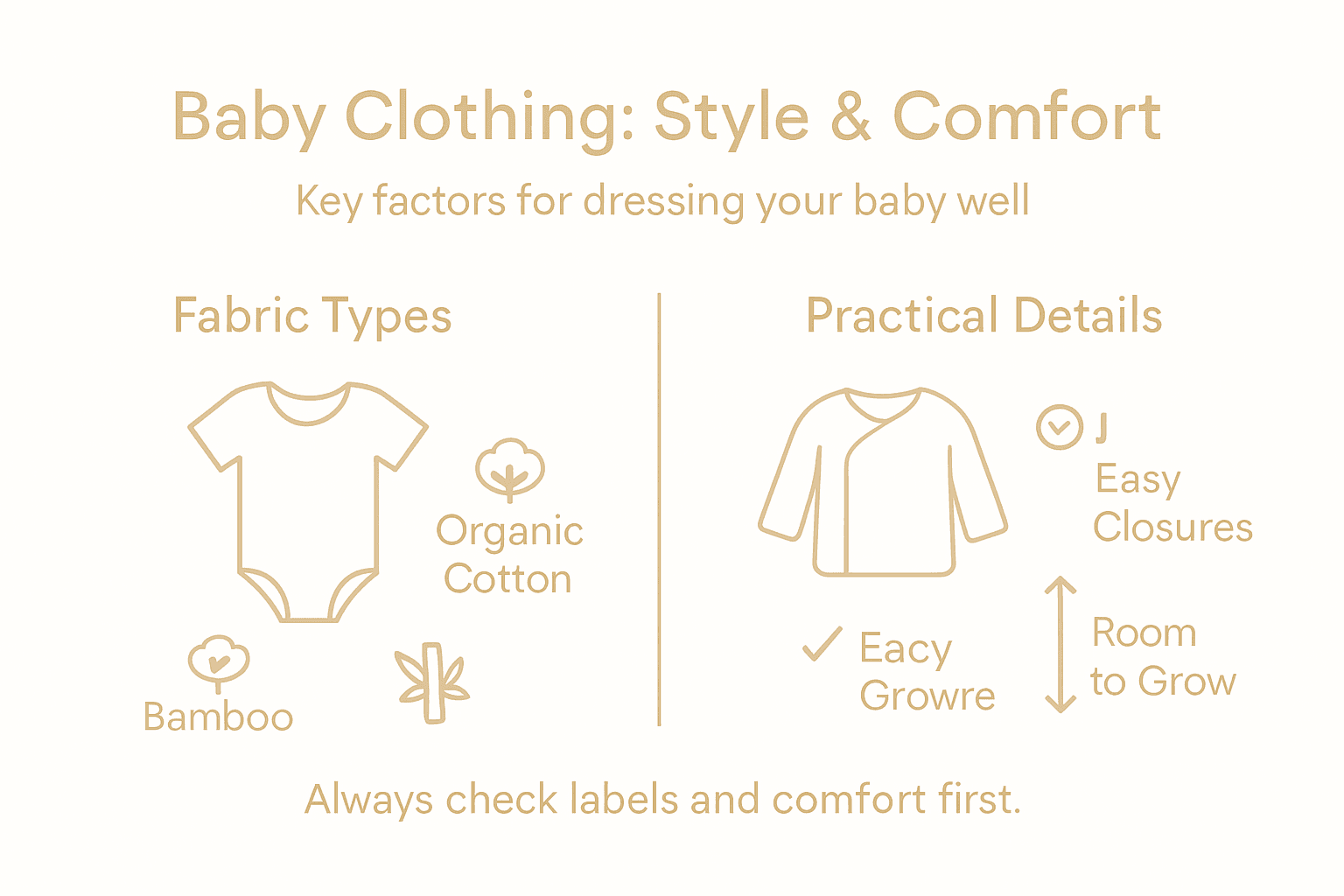
Organic cotton stands out as the gold standard for newborn clothing. Unlike conventional cotton, which is heavily processed with chemicals, organic cotton grows without synthetic pesticides or fertilisers. More importantly, certified organic cotton like that meeting GOTS and OEKO-TEX standards ensures the fabric itself is processed without harmful dyes or finishes. When you’re selecting pieces for your baby, look for these certifications on labels and product descriptions, as they guarantee your baby isn’t wearing chemical residue. Bamboo fabric offers another excellent choice, providing natural breathability whilst feeling impossibly soft against skin. Merino wool, despite sounding heavy, actually regulates temperature beautifully, making it perfect for layering during cooler months without overheating. Hemp and Tencel are becoming more accessible too, offering sustainable options that remain gentle on newborn skin. Understanding fabric qualities for baby clothes helps you make informed decisions about what works best for your situation.
Avoid synthetic materials where possible. Polyester and acrylic don’t breathe the way natural fibres do, meaning your baby may overheat or develop irritation. If a piece blends synthetic with natural fibres, that’s acceptable, but aim for at least 80 percent natural content in everyday basics. Read labels carefully. Many affordable pieces use clever marketing to sound natural when they’re actually synthetic blends. Quality pieces from thoughtful retailers cost more upfront, but they wash better, last longer, and stay soft through multiple cycles of wear and laundering. Your design-conscious eye will also appreciate that natural fabrics maintain their colour and shape better than synthetics, meaning pieces you love today will look polished months from now.
Practical tip: Feel the fabric in person before buying whenever possible, as certifications vary and softness is genuinely subjective, so trust your fingers to tell you whether a piece meets your comfort standards.
Here’s a quick comparison of natural fabrics for baby clothes:
| Fabric Type | Key Benefits | Seasonal Suitability | Certifications to Seek |
|---|---|---|---|
| Organic Cotton | Soft, non-irritating, breathable | All-year round | GOTS, OEKO-TEX |
| Bamboo | Extremely soft, moisture-wicking | Spring, Summer | OEKO-TEX, FSC (bamboo source) |
| Merino Wool | Regulates temperature, odour-free | Autumn, Winter | ZQ, OEKO-TEX |
| Hemp | Durable, naturally antibacterial | Spring, Autumn | GOTS |
| Tencel | Eco-friendly, smooth texture | All-year round | FSC, OEKO-TEX |
Step 3: Evaluate Style and Practical Details
Style and comfort aren’t opposing forces when you know what to look for. This step bridges the gap between what looks beautiful in your nursery and what actually works when you’re changing a nappy at three in the morning. You’ll want pieces that reflect your aesthetic sensibilities whilst solving real problems. The best baby clothing achieves both without compromise.
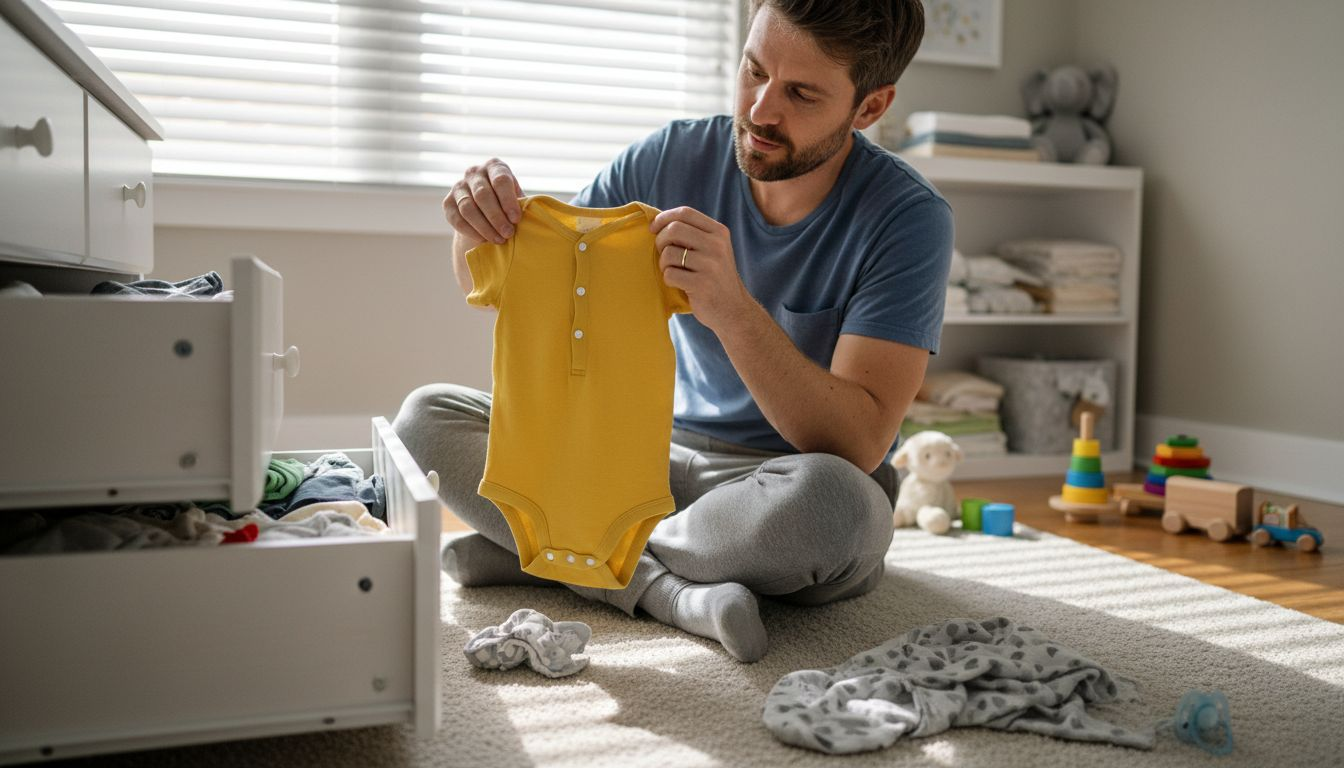
Start by examining closures and fastenings. Poppers and buttons seem charming until you’re fumbling with them whilst your baby wiggles. Magnetic closures have revolutionised getting newborns dressed quickly, and they’re genuinely safer than tiny buttons that could come loose. Look for pieces with front openings rather than pullovers, which means less disruption when nappy changing. Sleeve design matters too. Rolled or folded cuffs prevent your baby from accidentally scratching their face during those jerky newborn movements, whilst also keeping tiny hands warmer. Necklines should sit loosely without gaping, and waistbands should never constrict or leave marks. When evaluating functional textiles that balance aesthetics with comfort, you’re looking at pieces designed with both parent and baby in mind from the outset.
Consider how pieces will age with your baby. Oversized clothing offers longevity, but only if the proportions still look intentional rather than baggy. Growth rooms at shoulders and length are clever investments, particularly in pieces you’ll pass down or donate. Colour and pattern also matter more than people assume. Neutral tones and simple designs create that calm aesthetic you love whilst remaining versatile across seasons and occasions. Prints fade differently depending on fabric quality, so stick with pieces from makers who understand this. Pockets are underrated but genuinely useful for keeping a dummy or small toy contained. Finally, examine care labels. Machine washable at 40 degrees with minimal fuss beats hand washing every item. Pieces that maintain their shape and softness through dozens of washes represent real value, regardless of initial price.
Practical tip: Photograph any piece you’re considering against your nursery’s colour palette and aesthetic on your phone before purchasing, as lighting in shops and online images rarely matches real life.
Step 4: Verify Fit and Allow for Growth
Getting the fit right matters far more than most people realise. A piece that fits perfectly today might be unwearable in six weeks if you haven’t planned for growth. This step is about finding that sweet spot between snug enough for safety and loose enough for longevity. Your newborn grows rapidly, sometimes gaining several centimetres in a single month, so strategic sizing decisions mean your favourite pieces stay in rotation longer.
When trying on or examining pieces, look for approximately one finger’s width of space at the neck, wrist, and ankle. This prevents restriction whilst staying secure. The garment should allow free movement without swimming on your baby. Sleeves shouldn’t cover the fingertips completely, as this restricts hand discovery and comfort. Length matters too. Babygrows should extend just past the toes with room to fold the feet over, preventing constant contact with sensitive skin. At the waist, you should be able to slide two fingers comfortably inside without the fabric sitting tight against the belly. Many parents make the mistake of buying pieces that fit today perfectly, then watching them become unusable within weeks. Instead, consider buying pieces one size larger than your baby’s current measurements, accepting that you’ll need to roll sleeves or cuffs temporarily. Clever design features like adjustable fastenings and expandable textiles can dramatically extend the lifespan of pieces, turning a single garment into something that evolves with your child across multiple size ranges.
Growth rooms are your secret investment strategy. Look for pieces where shoulder seams sit slightly away from your baby’s actual shoulder point, and hems can be rolled or easily adjusted. Velcro at ankles and waists offers flexibility as your baby grows, and some innovative designs actually expand in multiple directions to accommodate changing proportions. Building a wardrobe this way means fewer purchases overall and a more considered collection where each piece earns its place. You’ll also feel less pressure to replace items frequently, which aligns beautifully with the sustainable, timeless approach you likely value.
Practical tip: Note your baby’s measurements at birth and check them monthly, then compare against size guides from the same maker consistently, as sizing varies wildly between retailers and knowing growth rates helps you buy ahead strategically.
To help you plan, here’s a summary of baby clothing fit features and their importance:
| Fit Feature | Why It Matters | What To Look For |
|---|---|---|
| Neckline Space | Prevents irritation or choking | One finger’s width of gentle space |
| Sleeve/Ankle Fit | Allows free movement | Not covering fingertips, rolls easily |
| Waist Comfort | Prevents digestive discomfort | Two fingers’ space, not too snug |
| Growth Room | Extends garment lifespan | Slightly loose seams, adjustable hems |
Step 5: Check for Sustainability and Care Instructions
This final step determines whether your investment will truly last and whether you can feel good about what you’ve chosen. Sustainability and care instructions might seem like separate concerns, but they’re deeply connected. Pieces designed with proper care guidance maintain their quality through multiple washes, which means they stay in your rotation longer and genuinely serve your values about thoughtful consumption.
Start by examining what a brand tells you about their sourcing and manufacturing. Look for certifications like GOTS (Global Organic Textile Standard) or OEKO-TEX, which indicate rigorous environmental and social standards throughout production. Transparency matters here. Brands that openly discuss their supply chain, material sourcing, and manufacturing practices demonstrate responsibility that extends beyond marketing. Check whether the company uses sustainable materials like organic cotton, bamboo, or recycled fibres, and whether they address chemical management in their processes. Supply chain transparency and eco-friendly material sourcing aren’t just ethical considerations, they directly affect the safety and durability of what touches your baby’s skin. A piece made with proper attention to environmental impact typically lasts longer because the materials and construction quality reflect genuine care rather than cutting corners for profit.
Care instructions reveal everything about whether a piece will actually work long-term. Clear labelling using international care symbols or plain English text shows a maker respects your time and investment. Machine washable at 40 degrees with minimal fuss beats hand washing every item. Read whether the piece shrinks, fades easily, or requires special handling. Pieces that maintain softness and shape through multiple wash cycles represent genuine value, and you’ll find this information in customer reviews and detailed care instructions. Follow these guidelines religiously, as improper laundering damages even the finest fabrics. A jumper that requires hand washing and air-drying exclusively might be beautiful, but it’s unrealistic when you’re managing a newborn’s wardrobe. Similarly, pieces that pill after a few washes or lose colour rapidly aren’t sustainable investments. Understanding proper care maintains durability and extends the life of every piece you own. Your design-conscious approach should extend to choosing makers whose values align with sustainability, quality, and practicality. These pieces become the foundation of a wardrobe you can confidently pass down or donate, knowing they’ll serve another child beautifully.
Practical tip: Before purchasing, read product reviews specifically looking for comments about durability after 10 plus washes and colour fastness, as these real-world experiences reveal whether pieces will actually last through the wear you anticipate.
Discover Baby Clothing That Truly Balances Style and Comfort
Choosing baby clothes that keep your little one comfortable, safe, and stylish can feel overwhelming, especially when considering factors like fabric quality, fit, and sustainability. This article highlights crucial challenges such as selecting breathable natural fabrics, finding garments with thoughtful growth room, and prioritising practical details that make dressing easier. You want timeless pieces that last through rapid growth phases while reflecting gentle aesthetics and being kind to delicate skin.
At Little Hive, we understand these parent concerns deeply. Our carefully curated collection features organic cotton garments and handmade UK treasures designed to provide softness, durability, and effortless style. Each piece is chosen with the same attention to sustainable sourcing and thoughtful design you value, ensuring your baby’s wardrobe supports calm and comfort throughout every season. Whether you need essentials that grow with your child or beautiful classics that complement your nursery’s serene atmosphere, visit Little Hive to explore options that meet your needs.
Ready to invest in baby clothing that embraces both function and enduring style join us now at Little Hive and experience thoughtful shopping made simple. Discover pieces crafted to last and designed to nurture your baby’s comfort and your peace of mind today.
Frequently Asked Questions
How do I assess my baby’s needs when choosing clothing?
Understanding your baby’s individual comfort preferences and the current season is essential. Observe your baby for a few days to determine if they feel warm or cold in specific fabrics. Take note of your local weather patterns to select the right types of clothes for their comfort.
What types of fabrics should I prioritise for baby clothing?
Focus on high-quality, natural fabrics like organic cotton and bamboo, which are gentle on sensitive skin. Always look for certifications like GOTS or OEKO-TEX as indicators of safety. Aim for at least 80 per cent natural content in everyday basics to ensure your baby’s comfort and health.
How can I ensure the clothing I choose is both stylish and practical?
Select pieces that feature functional designs, such as easy-to-use closures and safe necklines. Look for clothing that allows for simple nappy changes without disrupting your baby’s comfort, and consider styles that align with your nursery’s aesthetic. Aim for neutral tones and timeless designs for versatility across occasions.
What should I consider concerning sizing and fit for baby clothes?
It’s crucial to allow for growth when selecting sizes, as babies can grow quickly. Look for one finger’s width of space at the neck, wrist, and ankle for comfort, and consider buying one size larger than their current measurements. This approach can extend the lifespan of their clothing and reduce the frequency of new purchases.
How do sustainability and care instructions impact my baby clothing choices?
Choose brands that practice transparency in their sourcing and manufacturing processes, as this ensures the clothing is made ethically and sustainably. Check care instructions carefully; selecting machine-washable items can keep maintenance manageable. Prioritise pieces that are durable and maintain their quality through multiple washes to maximise your investment.
How can I determine if a piece of clothing will remain comfortable for my baby?
Evaluate garments for functionality and design elements that promote comfort, such as adjustable fastenings and breathable materials. Research customer reviews for insights on durability after repeated washing, and ensure the fabric remains soft and retains colour through multiple washes. This helps guarantee the clothing will be comfortable and practical for longer.