

Role of Accessories in Nursery – Creating Calm, Sustainable Spaces
Finding beautiful, sustainable nursery accessories can feel daunting for british parents who want the very best for their newborns. With over 60 percent of eco-conscious families now prioritising ethically made baby items, the choice of materials goes far beyond simple design. This guide uncovers how thoughtful, environmentally friendly accessories help create serene, stylish spaces that nurture your baby’s development and reflect your personal values.
Table of Contents
- Defining Nursery Accessories And Their Purpose
- Categories Of Nursery Accessories Explained
- How Accessories Support Safety And Comfort
- Enhancing Calm And Style Through Thoughtful Design
- Sustainable Choices For Eco-Conscious Families
- Avoiding Common Nursery Accessory Pitfalls
Key Takeaways
| Point | Details |
|---|---|
| Nursery Accessories Enhance Development | Carefully selected accessories support infant comfort, safety, and critical developmental milestones. |
| Safety is Paramount | Prioritising safety features in nursery accessories creates secure environments that protect infants from hazards. |
| Sustainable Choices Matter | Eco-friendly accessories reflect a commitment to sustainability and often provide additional benefits for both babies and the environment. |
| Avoid Common Pitfalls | Parents should be mindful of safety certifications and avoid prioritising aesthetics over functionality in their nursery selections. |
Defining Nursery Accessories and Their Purpose
Nursery accessories represent the essential supporting elements that transform an ordinary baby’s room into a functional, nurturing environment. While many parents initially consider these items purely decorative, they serve critical developmental and practical purposes in early childhood spaces.
At their core, nursery accessories encompass a wide range of items designed to support infant comfort, safety, and developmental stimulation. These might include essential nursery tools and equipment that create calm, engaging spaces for newborns. From practical storage solutions to sensory-enhancing mobiles, each accessory plays a specific role in supporting both parental convenience and infant well-being.
The primary functions of nursery accessories extend beyond mere aesthetic considerations. They contribute to creating structured, stimulating environments that support cognitive development, sensory exploration, and emotional regulation. Items like soft lighting, gentle sound machines, temperature-regulating textiles, and carefully positioned visual elements can significantly influence an infant’s sensory experiences and overall comfort.
Key aspects of nursery accessories include:
- Promoting infant safety and security
- Supporting developmental milestones
- Creating sensory-rich environments
- Enhancing parental organisation and convenience
- Establishing predictable, calming routines
Pro tip: When selecting nursery accessories, prioritise multifunctional items that can adapt as your child grows, maximising both utility and long-term value.
Categories of Nursery Accessories Explained
Nursery accessories represent a sophisticated ecosystem of items designed to support infant development, parental convenience, and create nurturing environments. Understanding these categories helps parents make informed decisions about creating purposeful, supportive spaces for their newborns.
Primary nursery accessory categories can be systematically classified into functional groups that address specific developmental and practical needs. Nursery accessories range from specialised tools that enhance infant care to aesthetic elements that create calming atmospheres. These categories typically include:
Comfort and Sleep Accessories:
- Cot mobiles
- Soft lighting solutions
- White noise machines
- Temperature-regulating blankets
- Breathable sleep accessories
Safety and Monitoring Accessories:
- Baby monitors
- Movement sensors
- Room thermometers
- Soft corner protectors
- Electrical outlet covers
Development and Sensory Accessories:
- Musical toys
- Textured play mats
- Age-appropriate sensory items
- Hanging visual stimulation objects
- Soft interactive books
Organisational Accessories:
- Storage baskets
- Changing station organisers
- Diaper caddies
- Wall-mounted shelving systems
- Clothing storage solutions
Each category serves a unique purpose in creating a holistic nursery environment that supports infant growth, ensures safety, and provides parental peace of mind.
Here’s a summary of how different nursery accessory types contribute to both infant and parental needs:
| Accessory Category | Main Benefit for Infant | Main Benefit for Parent |
|---|---|---|
| Comfort and Sleep | Supports restful sleep patterns | Reduces bedtime struggles |
| Safety and Monitoring | Minimises accident risk | Provides peace of mind |
| Development and Sensory | Stimulates cognitive growth | Encourages independent play |
| Organisational | Reduces overstimulation risk | Streamlines everyday routines |
Pro tip: Invest in multifunctional accessories that can adapt and grow with your child, maximising both utility and long-term value.
How Accessories Support Safety and Comfort
Nursery accessories play a critical role in creating environments that simultaneously protect and nurture infants, balancing safety requirements with developmental needs. Parents increasingly recognise that these carefully selected items are not mere decorative elements but essential components of a comprehensive childcare strategy.
Nursery accessories contribute fundamentally to infant safety through strategic design and thoughtful implementation. Safety accessories focus on preventing potential hazards while creating spaces that feel secure and comfortable. These include:
Safety Focused Accessories:
- Corner guards for furniture
- Electrical outlet covers
- Non-slip changing mats
- Secure window treatments
- Soft-close drawer mechanisms
Comfort Enhancing Elements:
- Temperature-regulating bedding
- Breathable sleep sacks
- Ergonomic feeding pillows
- White noise machines
- Gentle lighting solutions
The intersection of safety and comfort requires nuanced understanding. Accessories must not only protect against physical risks but also create environments that support emotional regulation and sensory development. Soft textures, muted colours, and strategically positioned items can transform a potential hazard zone into a nurturing developmental space.
Modern nursery accessories are engineered with sophisticated considerations. They integrate advanced materials that are hypoallergenic, flame-retardant, and designed to withstand rigorous use while maintaining aesthetic appeal. The goal extends beyond mere protection—these accessories aim to create holistic environments that feel both secure and emotionally supportive.
Pro tip: Regularly audit your nursery accessories, replacing items that show signs of wear or no longer meet current safety standards to maintain an optimal protective environment.
Enhancing Calm and Style Through Thoughtful Design
Designing a nursery involves more than aesthetic considerations—it requires a delicate balance between visual appeal and developmental support. Parents seeking to create nurturing environments must consider how each design element contributes to their infant’s sensory experience and emotional well-being.
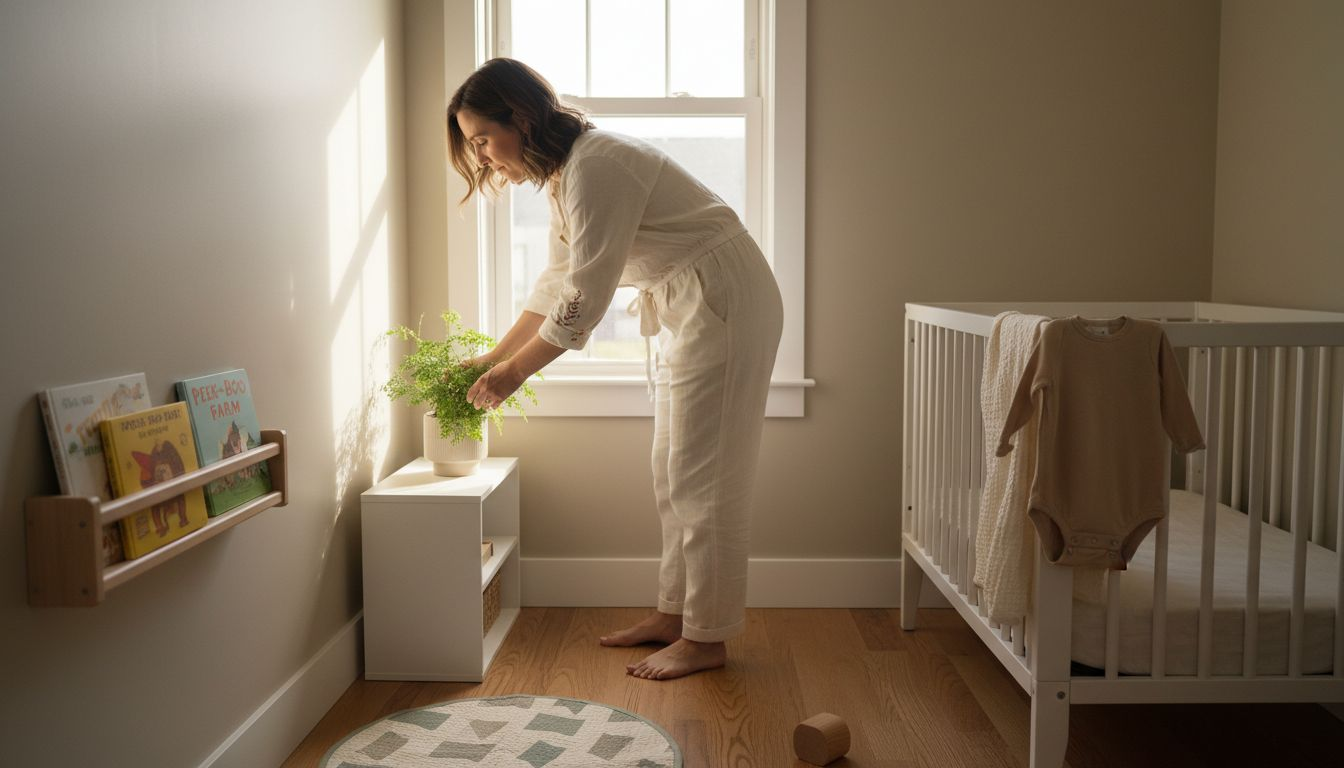
Evidence-based design principles reveal that thoughtful accessory selection can dramatically transform a nursery’s atmosphere. The key lies in understanding how subtle design choices influence an infant’s perception, comfort, and developmental trajectory.
Colour Psychology Principles:
- Soft, muted colour palettes
- Neutral tones with gentle undertones
- Minimal contrasting elements
- Harmonious colour transitions
- Calming visual rhythms
Texture and Sensory Considerations:
- Natural, breathable fabrics
- Varied tactile experiences
- Subtle textural contrasts
- Soft, comforting materials
- Lightweight, adaptable textures
Sustainable design approaches further elevate nursery aesthetics by integrating eco-friendly materials and timeless design elements. Choosing accessories that grow with the child—pieces that transcend temporary trends—ensures both visual sophistication and long-term value.
The most effective nursery designs create visual narratives that feel both intentional and organic. Accessories should not merely decorate but communicate a sense of tranquillity, safety, and gentle stimulation. Strategic placement, considered colour choices, and mindful material selection can transform a simple room into a developmental sanctuary.
Pro tip: Select nursery accessories with multi-functional designs that can adapt as your child grows, maximising both aesthetic appeal and practical utility.
Sustainable Choices for Eco-Conscious Families
Navigating the world of nursery accessories requires a thoughtful approach that balances infant development, safety, and environmental responsibility. Today’s eco-conscious parents seek more than just functional items—they want accessories that reflect their commitment to sustainability and planetary well-being.
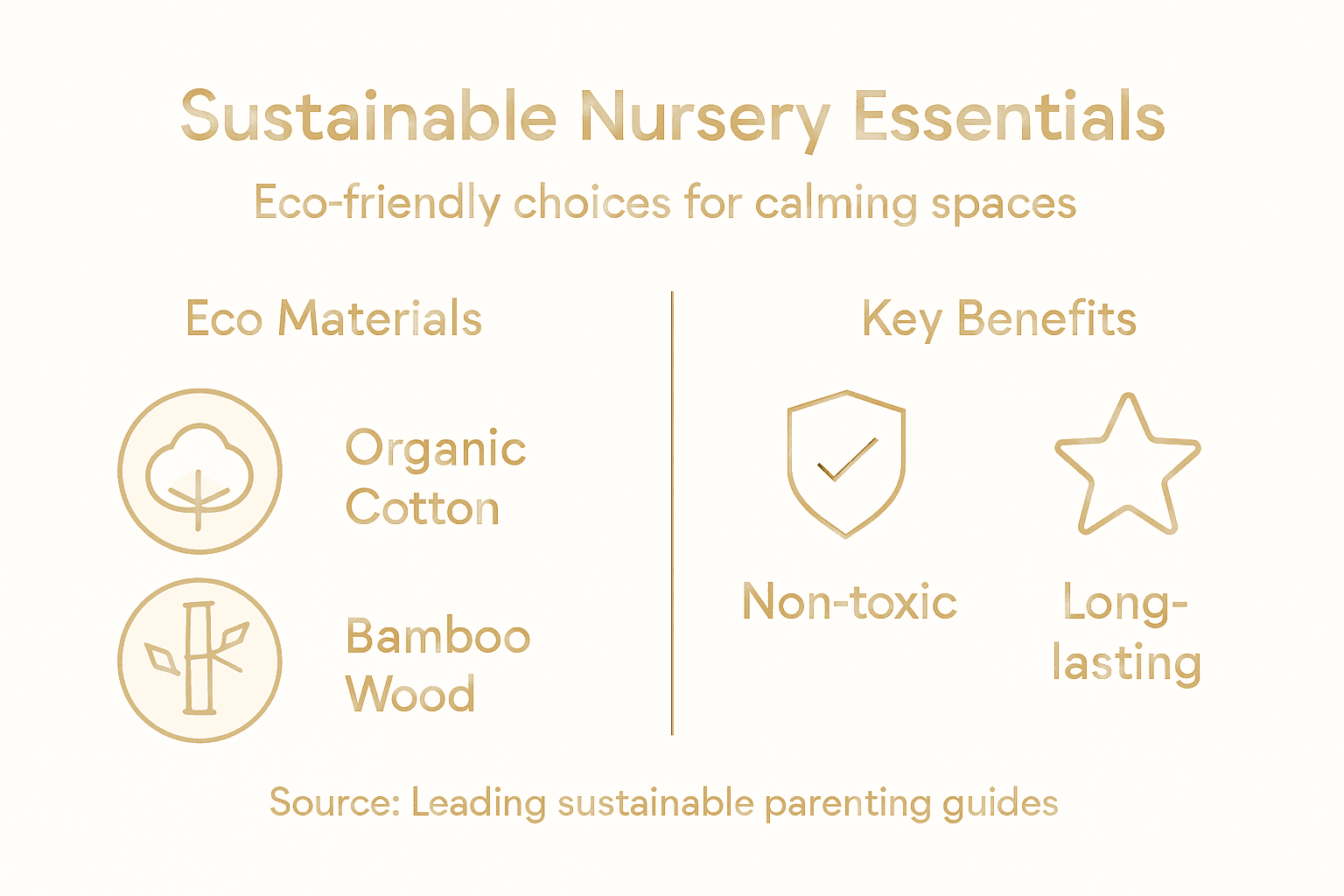
Sustainable nursery accessories focus on minimising environmental impact through carefully selected materials, production methods, and lifecycle considerations. This holistic approach ensures that each nursery item contributes positively to both child development and ecological preservation.
Sustainable Material Principles:
- Organic cotton textiles
- Bamboo-based accessories
- Recycled plastic alternatives
- Natural wood products
- Biodegradable components
Environmental Impact Considerations:
- Low carbon manufacturing
- Minimal packaging waste
- Renewable resource usage
- Chemical-free production
- Ethical sourcing practices
The contemporary approach to sustainable nursery design transcends traditional boundaries. Parents now understand that every accessory choice represents a micro-decision with potential global implications. Selecting items crafted from renewable materials, produced through environmentally responsible processes, and designed for longevity becomes an act of environmental stewardship.
Moreover, sustainable accessories often provide unexpected benefits beyond environmental considerations. Natural materials frequently offer superior breathability, hypoallergenic properties, and enhanced durability compared to synthetic alternatives. These qualities translate directly into improved comfort and functionality for infants while reducing overall consumption.
The table below compares key sustainable material features for eco-friendly nursery accessories:
| Material Type | Environmental Advantage | Additional Benefit for Baby |
|---|---|---|
| Organic Cotton | Renewable, low pesticide use | Hypoallergenic, gentle on skin |
| Bamboo | Rapidly renewable crop | Naturally antibacterial properties |
| Recycled Plastic | Reduces landfill waste | Durable and lightweight |
| Natural Wood | Biodegradable and sustainable | Smooth, warm tactile experience |
Pro tip: Prioritise nursery accessories that offer multi-generational utility, allowing items to be repurposed, recycled, or handed down, thereby extending their ecological and practical value.
Avoiding Common Nursery Accessory Pitfalls
Creating the perfect nursery environment requires more than aesthetic considerations—it demands strategic planning and nuanced understanding of potential challenges. Parents must navigate a complex landscape of accessories, balancing functionality, safety, and developmental support.
Mistakes in nursery accessory selection can significantly impact infant development. Understanding these potential pitfalls helps parents make informed, thoughtful decisions that support their child’s growth and well-being.
Critical Selection Mistakes to Avoid:
- Overlooking safety certifications
- Purchasing non-adaptable accessories
- Ignoring ergonomic design principles
- Prioritising aesthetics over functionality
- Neglecting long-term usability
Common Accessory Selection Errors:
- Impulse buying trendy items
- Failing to consider material safety
- Disregarding age-appropriate design
- Overcrowding the nursery space
- Choosing style over practicality
Successful nursery design requires a holistic approach that anticipates a child’s evolving needs. Accessories should not merely decorate a space but actively contribute to developmental milestones, providing sensory stimulation, safety, and functional support throughout different growth stages.
Parents must remain adaptable, regularly reassessing their nursery accessories. What works for a newborn may become unsuitable as the child grows. This dynamic approach ensures that the nursery remains a responsive, supportive environment that can transform alongside the child’s changing requirements.
Pro tip: Invest in modular, multi-functional nursery accessories that can be easily adjusted or repurposed as your child develops, maximising both financial investment and practical utility.
Create Calm and Sustainable Nursery Spaces with Thoughtful Accessories
The challenge of designing a nursery that balances safety, comfort and sustainability often feels overwhelming. Parents want to avoid common mistakes like impulsive purchases or overcrowded spaces while seeking accessories that support developmental milestones and create soothing environments. At the heart of this is the need for multifunctional, eco-friendly nursery accessories that foster calm and grow with your child.
Experience how nursery décor and accessories from Little Hive transform your baby’s room into a timeless sanctuary. Our carefully curated collection embraces durable craftsmanship, natural materials and gentle aesthetics that promote restful sleep, sensory stimulation and organisation for busy parents.
Elevate your nursery design today with pieces that combine elegance and purpose. Explore Little Hive’s selection that helps you avoid accessory pitfalls and invests in long-lasting quality. Visit our store to discover how to nurture calm and sustainability in your child’s first environment. Start creating a nurturing space that truly lasts now.
Frequently Asked Questions
What are nursery accessories and their main purpose?
Nursery accessories are items designed to support infant comfort, safety, and developmental stimulation. They help create a functional, nurturing environment, contributing to cognitive development and enhancing parental convenience.
How do nursery accessories enhance safety and comfort for infants?
Nursery accessories enhance safety by preventing hazards with items like corner guards and outlet covers, while comfort is supported through temperature-regulating bedding and soft textures that create a calming atmosphere for babies.
What are the essential categories of nursery accessories?
Essential categories of nursery accessories include comfort and sleep accessories, safety and monitoring gear, development and sensory tools, and organisational items, each serving unique purposes for both infants and parents.
How can sustainable nursery accessories benefit the environment and my baby?
Sustainable nursery accessories utilise eco-friendly materials such as organic cotton and bamboo, reducing environmental impact. They often provide hypoallergenic properties and enhanced durability, contributing to the baby’s comfort while promoting ethical consumption.
Recommended
- The Little Hive | Baby Clothing, Toys & Nursery Décor
- The Moonlit Forest Cot Mobile | The Little Hive
- 1 x Flower Curtain Tieback Accessory – The Little Hive
- The Fawn’s Garden Cot Mobile – The Little Hive
- How to Style Cork Accessories for Chic Sustainable Looks – The Cork Store
- Cozee Bay - Sustainable Home Decor: Transforming Spaces With Eco Impact