

How to Set Up Nursery for a Calm and Stylish Space
More than 60 percent of British parents feel overwhelmed when designing a nursery that balances style, comfort, and sustainability. With newborns arriving, every detail matters—from clever furniture placement to eco-friendly materials. Discover how to achieve a calming, stylish nursery that welcomes your baby while investing in quality, durable products that grow alongside your family’s needs.
Table of Contents
- Step 1: Assess Space And Plan Nursery Layout
- Step 2: Select Quality Furniture And Key Essentials
- Step 3: Choose Calming Decor And Sustainable Accessories
- Step 4: Arrange Furnishings For Safety And Comfort
- Step 5: Verify Functionality And Finishing Touches
Quick Summary
| Key Point | Explanation |
|---|---|
| 1. Plan Functional Zones | Create distinct areas for sleeping, changing, feeding, and playing to enhance nursery flow and utility. |
| 2. Select Safe, Adaptable Furniture | Choose sturdy, multifunctional pieces that align with safety standards, supporting your baby’s growth and needs. |
| 3. Prioritise Calming Decor | Use soft materials and earthy tones to create a tranquil environment conducive to relaxation and sensory development. |
| 4. Ensure Safe Furniture Arrangement | Keep nursery furniture away from hazards like windows and outlets to protect your child’s safety and promote easy access. |
| 5. Verify Functionality Through Testing | Simulate typical nursery activities to assess layout comfort and accessibility, adjusting as necessary for optimal use. |
Step 1: Assess Space and Plan Nursery Layout
Planning your nursery’s layout requires thoughtful consideration of available space and strategic furniture placement. Comprehensive nursery planning begins with carefully measuring your room and understanding its unique architectural features like windows, doors, and potential obstructions.
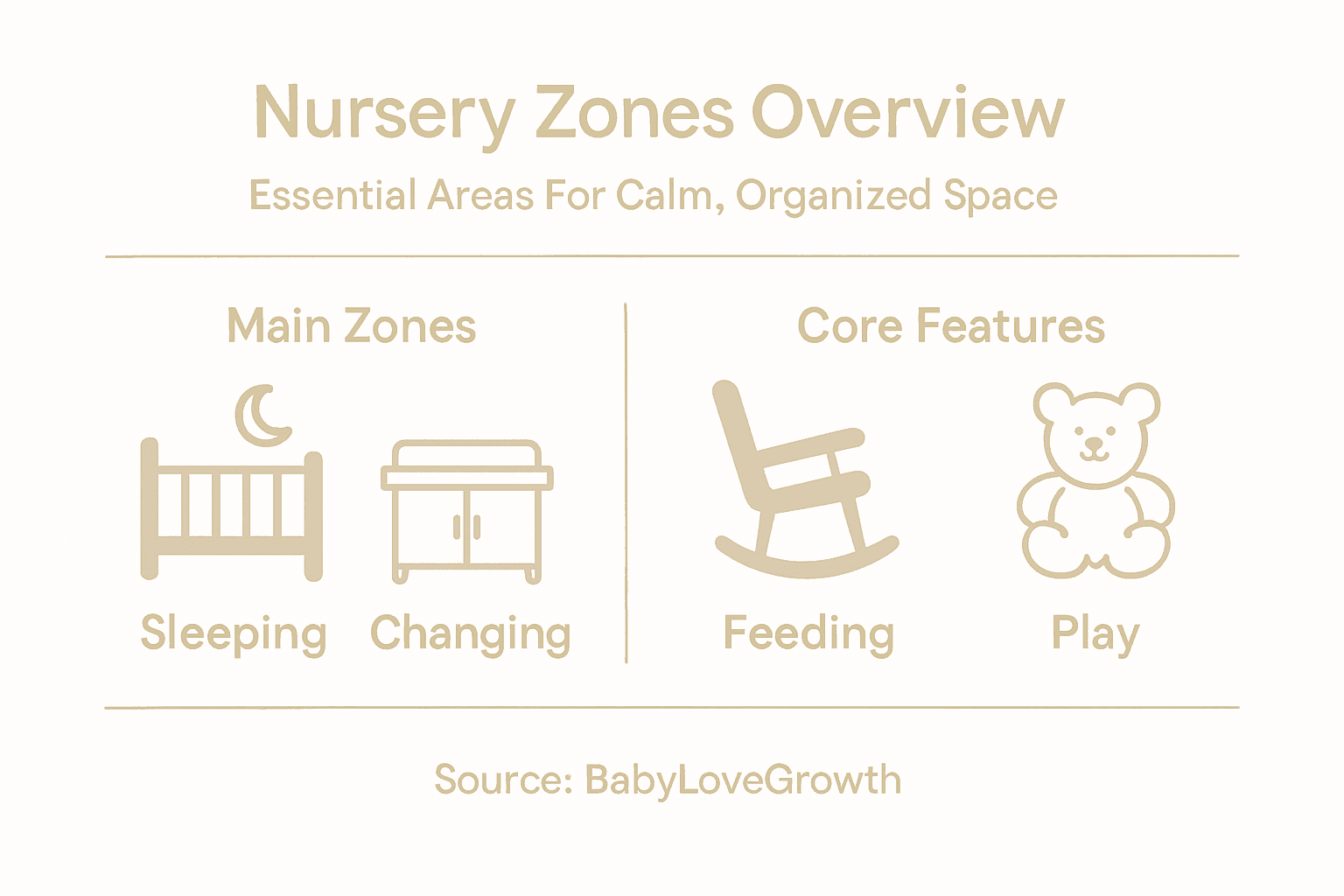
Start by creating a clear floor plan that divides the space into functional zones: sleeping, changing, feeding, and play areas. Position the cot away from windows to prevent drafts and direct sunlight, ensuring a stable temperature and minimising potential safety risks. Prioritise creating clear pathways between zones, allowing easy movement during late night feeds or nappy changes. Consider natural light patterns and electrical socket locations when positioning furniture, aiming to maximise both practicality and comfort.
Your layout should remain flexible, anticipating your child’s evolving needs as they grow from a newborn to an active toddler. Leave sufficient open floor space for future play and exploration, and select multifunctional furniture that can adapt to changing requirements.
Here is a summary of functional zones for an effective nursery layout:
| Zone | Primary Purpose | Essential Features |
|---|---|---|
| Sleeping Area | Rest and sleep for baby | Cot, blackout curtains, nightlight |
| Changing Area | Nappy changes, clothing | Changing table, storage shelves |
| Feeding Area | Night and day feeding | Comfy chair, nearby storage |
| Play Area | Sensory and physical play | Soft rug, age-appropriate toys |
Expert Advice: Always measure furniture dimensions before purchasing to guarantee a perfect fit and maintain comfortable circulation space in your nursery.
Step 2: Select Quality Furniture and Key Essentials
Creating a functional and stylish nursery requires carefully selecting furniture that supports both your baby’s needs and your family’s lifestyle. Thoughtful furniture selection involves choosing pieces that are safe, adaptable, and designed to grow with your child.
Prioritise essential items that provide comfort and practicality. Begin with a sturdy cot that meets current safety standards, featuring adjustable mattress heights to accommodate your baby’s growth. Invest in a comfortable feeding chair or glider that supports proper posture during late night feeds, and select a robust changing table with ample storage for nappies, wipes, and other essentials. Consider multifunctional furniture pieces such as convertible cribs that transform into toddler beds or storage ottomans that double as seating, maximising both space and utility.
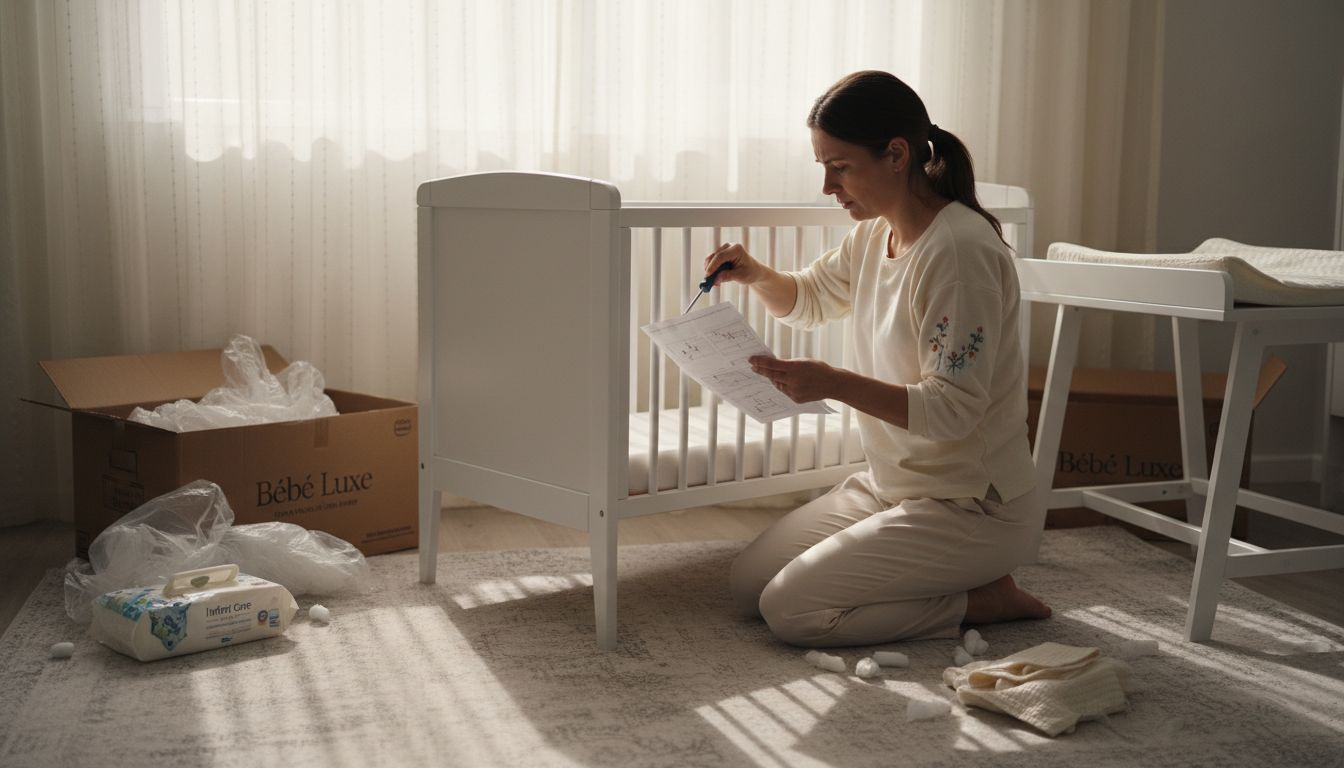
When selecting materials, opt for non toxic, durable finishes that can withstand frequent cleaning and potential bumps. Wooden furniture with rounded edges and smooth surfaces offers both aesthetic appeal and safety, while soft fabrics should be washable and resistant to stains.
Compare common nursery furniture materials for safety, longevity, and care:
| Material | Safety Benefit | Durability | Care Instructions |
|---|---|---|---|
| Solid Wood | No harmful chemicals | Highly durable | Wipe with damp cloth |
| MDF/Engineered | Often smooth edges | Moderate lifespan | Avoid excess moisture |
| Organic Cotton | Breathable, hypoallergenic | Limited longevity | Machine washable, low heat |
| Synthetic Fabric | Stain-resistant options | Varies by quality | Spot clean recommended |
Expert Advice: Choose furniture with neutral colour palettes that can easily adapt as your child’s room evolves, saving you money and design hassle in the long term.
Step 3: Choose Calming Decor and Sustainable Accessories
Creating a serene nursery environment requires thoughtful selection of decor and accessories that promote tranquillity while supporting your child’s sensory development. Sustainable design principles emphasise using natural materials and soft colour palettes that reduce visual overstimulation and create a peaceful atmosphere.
Focus on selecting accessories with gentle textures and muted tones that contribute to a calming space. Opt for organic cotton blankets, wool throws, and natural fibre rugs that provide warmth and comfort. Consider adding subtle visual elements like soft baby comforters or minimalist wall art featuring nature inspired motifs. Wooden mobiles, neutral wall hangings, and carefully chosen soft toys can create visual interest without overwhelming the space.
Prioritise eco friendly materials and non toxic finishes that are kind to both your baby and the environment. Choose accessories made from sustainable sources like bamboo, organic cotton, and responsibly sourced wood. Select items that are washable, durable, and can grow with your child, reducing waste and supporting a more mindful approach to nursery design.
Expert Advice: Layer soft textures and neutral tones strategically to create depth and interest without introducing visual chaos.
Step 4: Arrange Furnishings for Safety and Comfort
Arranging your nursery requires strategic planning to create a safe and functional space that supports both your baby’s needs and your daily routines. Nursery furniture placement is critical for preventing potential hazards and ensuring a comfortable environment for both parent and child.
Position the cot away from windows, electrical outlets, and hanging cords to minimise safety risks. Secure heavy furniture like wardrobes and changing tables to wall anchors to prevent potential tipping. Create clear pathways between key areas such as the cot, changing station, and feeding chair, allowing easy movement during night time care. Choose an ergonomic feeding chair positioned to provide comfortable support during extended feeding sessions, and consider placing a soft area rug to create a gentle play space and reduce noise.
Think about accessibility and convenience when arranging your nursery. Keep essential items like nappies, wipes, and spare clothing within arm’s reach of the changing area. Install soft lighting with dimmer switches to create a calming atmosphere and facilitate night time care without fully awakening your baby. Ensure electrical outlets are covered and any sharp furniture edges are protected with soft corner guards.
Expert Advice: Conduct a final walkthrough of your nursery layout at night to identify any potential navigation challenges or safety concerns.
Step 5: Verify Functionality and Finishing Touches
With your nursery design nearly complete, the final stage involves a comprehensive assessment to ensure every element supports both aesthetic appeal and practical functionality. Nursery design verification requires a systematic approach to evaluating comfort, safety, and overall room harmony.
Begin by testing the workflow of your carefully planned layout. Simulate typical scenarios like night time nappy changes, feeding sessions, and playtime to confirm that furniture placement allows smooth movement and easy access to essential items. Check lighting levels at different times of day, ensuring soft illumination for night feeds and adequate natural light during daytime activities. Verify that storage solutions are practical and within comfortable reach, and that decorative elements enhance rather than obstruct the room’s functionality.
Take time to sit in each designated area of the nursery, experiencing the space from both your perspective and your baby’s. Assess the comfort of your feeding chair, the visibility from the cot, and the overall sensory experience of the room. Make small adjustments to soft furnishings, artwork placement, or lighting to create a cohesive and calming environment that feels both intentional and welcoming.
Expert Advice: Photograph your completed nursery and review the images objectively to identify any final refinements that might enhance the space.
Create a Calm and Stylish Nursery with Little Hive
Setting up a nursery that blends calmness with style can feel overwhelming. From choosing the right furniture placement and safe, multifunctional pieces to selecting soothing decor that supports sensory development, every detail matters. This article breaks down challenges like ensuring safety by positioning cots away from windows, picking durable and non toxic materials, and layering gentle textures for a serene space—all crucial for creating a nurturing environment for your baby.
At Little Hive, we understand these needs and offer a thoughtfully curated collection that reflects timeless style and durability. Whether you’re searching for beautifully crafted wooden toys, sustainable nursery décor, or comfortable clothing designed to grow with your child, you will find pieces that harmonise perfectly with your nursery’s calming atmosphere. Our range emphasises quality and gentle aesthetics so your nursery remains both practical and inviting as your child grows.
Discover how our collection can help you forge a nursery full of comfort and elegance.
Explore the full range of calming children’s essentials on the Little Hive website and find inspiration to bring your perfect nursery vision to life today.

Don’t wait to create a nurturing and stylish nursery. Visit Little Hive now to select heirloom-quality pieces that support every stage of your child’s growth and add finishing touches that soothe both baby and parent. Start your nursery journey with confidence and timeless charm.
Frequently Asked Questions
How can I effectively measure my nursery space for layout planning?
Start by using a tape measure to obtain the room’s dimensions and note architectural features like windows and doors. Create a floor plan sketch to compartmentalise areas, ensuring ample space between zones for movement and ease of access.
What are the key functional zones I should include in my nursery layout?
Prioritise distinct areas for sleeping, changing, feeding, and play. This separation helps create an organised environment that supports your baby’s needs while making daily tasks more efficient.
How do I select safe and adaptable nursery furniture?
Choose furniture that meets current safety standards and can grow with your child, such as cribs that convert into toddler beds. Ensure that you opt for durable finishes and pieces with soft edges for enhanced safety and comfort.
What decor elements promote a calm atmosphere in the nursery?
Focus on using soft colours and gentle textures, such as organic cotton blankets and natural fibre rugs. Incorporate simple designs and sustainable materials to create a visually soothing environment that supports sensory development.
How should I arrange nursery furnishings for safety and accessibility?
Position the cot away from windows and electrical outlets, and ensure that pathways between key areas are clear. Keep essential items like nappies and wipes within easy reach to streamline nighttime routines and enhance safety during use.
What final checks should I perform to confirm my nursery design is functional?
Simulate daily activities like feeding and changing to evaluate the layout’s effectiveness. Assess lighting conditions at various times to ensure comfort and make any minor adjustments to soft furnishings or decorative elements that enhance the overall atmosphere.