

Newborn Essentials: Creating a Calm, Stylish Nursery
Finding beautiful, sustainable newborn essentials feels overwhelming for many British families—more than 60 percent of new parents report stress over choosing the right products for their baby. The first months set the tone for your child’s well-being and family comfort, so every detail matters, from organic textiles to quiet nursery design. Discover how thoughtful product choices support healthy development while reflecting your values around sustainability, craftsmanship, and a distinctively British sense of style.
Table of Contents
- Newborn Essentials Defined For Modern Parents
- Categories: Clothing, Sleep, Feeding, And Care
- Choosing Safe And Sustainable Baby Products
- Crafting A Calm Nursery With Thoughtful Design
- Common Mistakes When Selecting Essentials
Key Takeaways
| Point | Details |
|---|---|
| Holistic Newborn Care | Emphasise the importance of meeting both the physical and emotional needs of the newborn and involving both parents in care responsibilities. |
| Sustainable Product Choices | Prioritise sustainable and safe baby products, focusing on organic materials and ethical manufacturing to promote environmental health. |
| Calm Nursery Design | Create a nurturing space by using gentle colours, soft textures, and practical furniture placement to support the infant’s emotional development. |
| Avoid Common Pitfalls | Resist overbuying and emotional purchasing; focus on versatile essentials that meet safety standards and your specific needs. |
Newborn Essentials Defined For Modern Parents
Modern parenting requires a thoughtful, compassionate approach to welcoming a newborn into the world. Understanding essential newborn care goes far beyond purchasing cute accessories—it involves creating an environment that supports healthy development and family bonding. Essential newborn care strategies emphasise holistic support for both infant and parents during this transformative period.
At its core, newborn care involves meeting fundamental physical and emotional needs through intentional, responsive parenting. This means providing consistent warmth, nutrition, protection, and gentle interaction. Family-centered care models highlight the importance of minimising mother-child separation and involving both parents in early childcare responsibilities. Modern parents are increasingly recognising that newborn care is a collaborative journey requiring patience, knowledge, and emotional intelligence.
Key essentials for newborn care include establishing reliable feeding routines, maintaining appropriate body temperature, ensuring safe sleeping environments, and promoting skin-to-skin contact. Parents should focus on creating calm, predictable spaces that reduce infant stress and support healthy neurological development. This involves thoughtful nursery design, selecting soft textures, maintaining consistent temperatures, and developing responsive caregiving techniques that communicate safety and love.
Pro tip: Invest in versatile, multi-purpose newborn items that grow with your child and simplify your parenting journey, reducing both financial strain and environmental waste.
Categories: Clothing, Sleep, Feeding, And Care
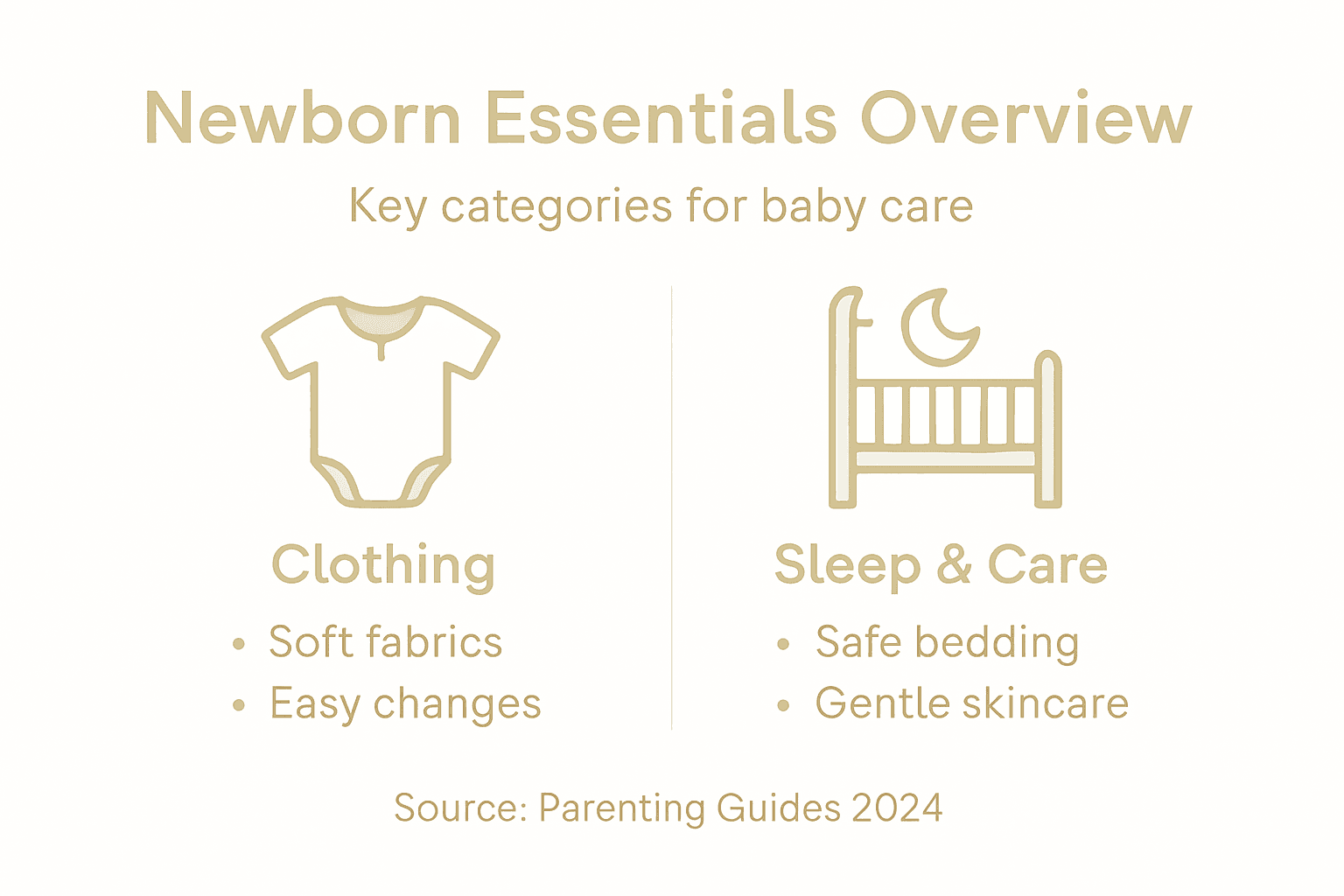
Navigating the complex world of newborn essentials requires a strategic approach to understanding essential baby categories. Modern parents must thoughtfully curate items across clothing, sleep, feeding, and care domains, ensuring comprehensive support for their newborn’s development and comfort.
In the clothing category, prioritise soft, breathable fabrics that accommodate rapid growth and provide temperature regulation. Essential items include lightweight bodysuits, sleepsuits with integrated mittens, soft hats, and adaptable layers suitable for varying British weather conditions. Opt for natural fibres like organic cotton and merino wool, which offer superior comfort and gentle protection against delicate newborn skin.
Sleep and feeding essentials form the foundation of infant care. Invest in high-quality sleeping bags with appropriate tog ratings, ensuring consistent warmth without loose blankets that might pose safety risks. Feeding supplies should include supportive nursing equipment, sterilisation tools, and comfortable positioning accessories. Comprehensive newborn checklists recommend versatile items that can adapt as your baby grows, minimising unnecessary purchases and reducing environmental waste.
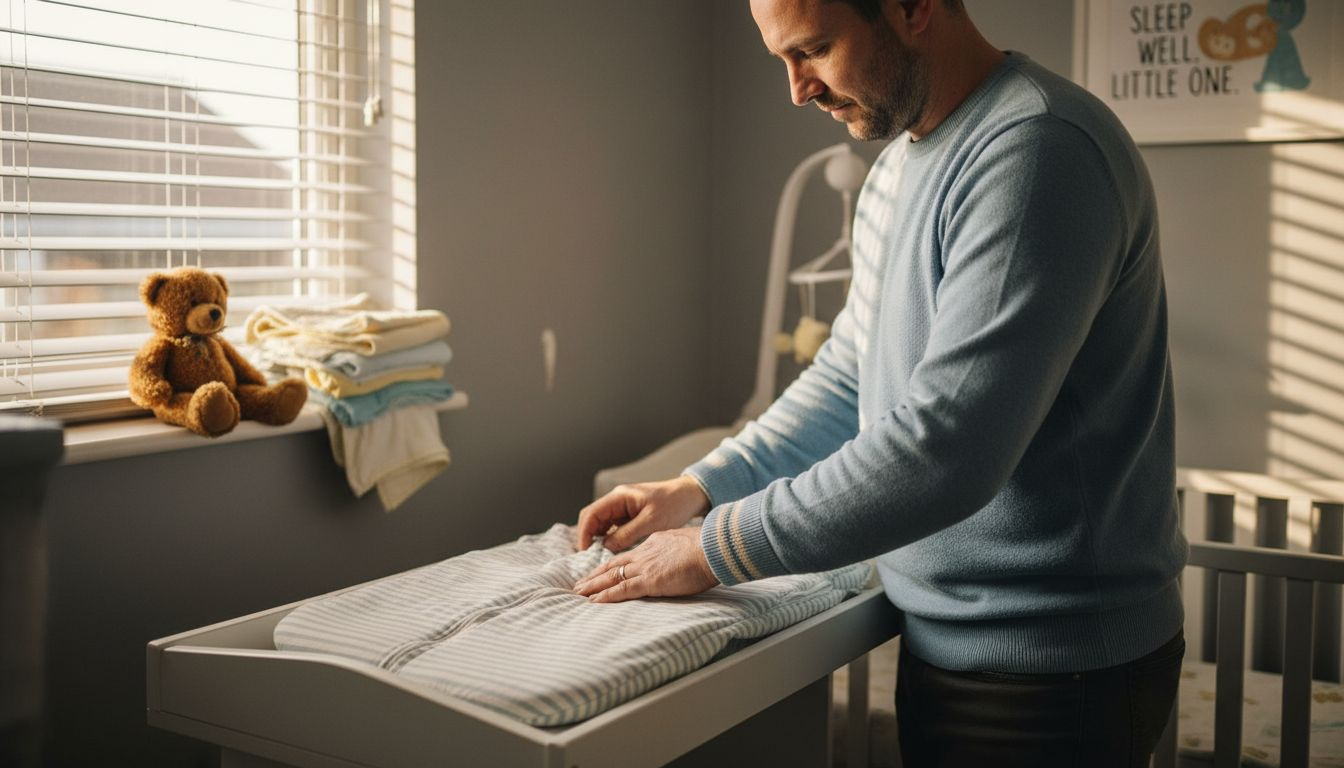
The care category encompasses hygiene, health monitoring, and comfort tools. Stock up on gentle skincare products, reliable nappy changing equipment, and practical hygiene accessories. Consider items that support both infant well-being and parental convenience, such as ergonomic changing stations, soft towels, and temperature-monitoring devices.
Pro tip: Create a dedicated storage system for your newborn essentials, categorising items by type and frequency of use to streamline your daily care routine.
Here’s a summary of how each essential baby category supports healthy development:
| Category | Key Benefits | Common Materials | Supports Parental Well-being |
|---|---|---|---|
| Clothing | Comfort and temperature control | Organic cotton, wool | Simplifies dressing routine |
| Sleep | Safety and restful sleep | Breathable fabrics | Reduces night-time worries |
| Feeding | Nutrition and bonding | BPA-free plastics | Eases feeding process |
| Care | Hygiene and health monitoring | Soft towels, thermometers | Streamlines daily care |
Choosing Safe And Sustainable Baby Products
Modern parents are increasingly prioritising green baby product choices that protect both infant health and environmental sustainability. This conscious approach to product selection goes beyond aesthetics, focusing on materials, manufacturing processes, and long-term ecological impact.
When evaluating baby products, consider multiple sustainability dimensions. Material sourcing plays a crucial role, with organic, responsibly harvested fabrics offering significant advantages. Look for certifications indicating chemical-free production, such as GOTS (Global Organic Textile Standard) for textiles, which guarantees minimal environmental harm and absence of toxic substances. Natural fibres like organic cotton, bamboo, and merino wool provide breathability, durability, and reduced environmental footprint.
Choosing sustainable baby products involves assessing the entire product lifecycle. Prioritise items with biodegradable packaging, minimal plastic components, and transparent supply chains. Investigate brands committed to ethical manufacturing, reduced carbon emissions, and circular economy principles. Consider reusable alternatives to disposable products, such as cloth nappies, washable wipes, and multi-purpose baby accessories that adapt as your child grows.
Health and environmental consciousness should guide your purchasing decisions. Seek products free from harmful chemicals like phthalates, BPA, and synthetic fragrances. Opt for locally produced items when possible to reduce transportation emissions, and support brands demonstrating genuine commitment to sustainable practices beyond marketing claims.
Pro tip: Create a sustainability checklist for baby product purchases, evaluating each item’s environmental impact, longevity, and potential for reuse or recycling.
For easy reference, here is an overview of sustainable baby product criteria:
| Sustainability Factor | Impact on Baby | Environmental Benefit | Example Product Types |
|---|---|---|---|
| Organic Materials | Minimises irritation | Reduces chemical usage | Clothing, bedding |
| Biodegradable Packaging | Safer handling | Less landfill waste | Nappies, wipes |
| Ethical Manufacturing | Product safety | Lower emissions | Furniture, toys |
| Reusable Design | Cost efficiency | Cuts single-use waste | Cloth nappies, bottles |
Crafting A Calm Nursery With Thoughtful Design
Designing a serene nursery requires intentional planning and a nuanced understanding of calm nursery design principles. The environment you create will become your newborn’s first sanctuary, influencing their sensory experiences and emotional development.
Color selection forms the foundational layer of nursery design. Opt for gentle, muted palettes featuring soft greys, sage greens, and warm neutrals that promote tranquillity. Colour psychology plays a crucial role in establishing a peaceful atmosphere, with subdued tones helping to regulate infant emotional states and support restful sleep. Consider textured wallpapers or gentle murals that add visual interest without overwhelming the space.
Lighting and spatial configuration are equally critical in creating a calming nursery. Incorporate soft, layered lighting options including dimmable fixtures and blackout capabilities to support natural circadian rhythms. Position essential furniture strategically—place the crib away from direct windows, situate feeding chairs near power outlets, and design storage solutions that maintain a clutter-free environment. Thoughtful furniture placement reduces visual noise and creates intuitive functional zones within the nursery.
Texture and sensory elements contribute significantly to the room’s overall sense of calm. Integrate soft furnishings like plush rugs, gentle curtains, and breathable blankets that absorb sound and provide tactile comfort. Prioritise safety by ensuring furniture is securely anchored and maintaining clear pathways. Remember that a calm nursery balances aesthetic appeal with practical functionality, creating a nurturing space that supports both infant and parental well-being.
Pro tip: Create a mood board before designing, collecting fabric swatches, paint samples, and inspiration images to visualise your nursery’s cohesive calm aesthetic.
Common Mistakes When Selecting Essentials
New parents often find themselves navigating a complex landscape of baby products, vulnerable to common pitfalls that can lead to unnecessary spending and stress. Newborn essentials selection requires careful consideration to avoid wasteful purchases and potential safety risks.
One significant mistake is overbuying before understanding actual needs. Many parents succumb to marketing tactics, purchasing excessive quantities of items that babies quickly outgrow. Resist the temptation to stockpile clothing in multiple sizes or acquire every conceivable baby gadget. Instead, focus on versatile, high-quality pieces that can adapt to your infant’s changing requirements. Prioritise function over quantity, selecting items that offer genuine utility and can transition through different developmental stages.
Safety standards are frequently overlooked in the excitement of preparing for a newborn. Critical errors include selecting car seats, slings, or sleeping equipment without verifying current safety certifications. Always research current guidelines, check product recalls, and invest in items that meet stringent safety requirements. Understand that not everything needs to be brand new—many essential items can be sourced responsibly through trusted second-hand networks, provided they meet current safety standards and are thoroughly cleaned.
Emotional purchasing represents another common pitfall. Parents often buy based on aesthetic preferences or trends rather than practical considerations. A beautifully designed item might look appealing, but if it doesn’t serve a clear functional purpose or support your daily caregiving routines, it becomes an unnecessary expense. Develop a pragmatic approach by creating a focused checklist that prioritises infant safety, comfort, and your family’s specific needs.
Pro tip: Create a spreadsheet tracking essential baby items, noting their cost, utility, and expected lifespan to make more informed purchasing decisions.
Discover Calm and Stylish Newborn Essentials at Little Hive
Creating a serene and thoughtfully designed nursery can feel overwhelming when faced with countless product choices and the desire to prioritise safety, sustainability, and timeless style. This article highlights key challenges modern parents face such as establishing a calm nursery environment with soft colour palettes, carefully selected textures, and versatile, multi-purpose newborn items that grow with your child. It also underscores the importance of choosing high-quality, sustainable pieces that bring ease and emotional comfort to daily routines.
At Little Hive, we understand these pains and goals deeply. Our curated collection of children’s lifestyle products offers parents a seamless way to craft a beautiful nursery that supports healthy development and family bonding. Featuring durable baby clothing, handcrafted nursery décor, and heirloom-quality wooden toys, each piece embodies gentle aesthetics and sustainability. Enjoy shopping for essentials designed to complement calm nursery design principles, making your parenting journey simpler and more joyful.
Ready to transform your newborn’s space with elegant and timeless pieces that nurture tranquility and well-being
Explore our thoughtfully selected collection today at Little Hive and bring harmony and style to your nursery. Let us help you create the soothing sanctuary your baby deserves with products made to last and love for years to come.
Frequently Asked Questions
What are the essential items needed for a calming nursery?
Key items for a calming nursery include soft and breathable bedding, gentle lighting options, and plush furnishings. Opt for a muted colour palette and items that encourage safe sleep, like sleeping bags instead of loose blankets.
How can I choose safe products for my newborn’s nursery?
Look for products that meet current safety certifications, prioritise organic materials, and avoid harmful chemicals like phthalates and BPA. Research product recalls and consider second-hand items that are in good condition and comply with safety standards.
What colours promote calmness in a nursery design?
Gentle, muted colours such as soft greys, sage greens, and warm neutrals are ideal for a calming nursery environment. These tones help regulate emotional states and create a peaceful atmosphere conducive to rest.
What are some tips for organising newborn essentials in a nursery?
Create a dedicated storage system categorising essentials by type and frequency of use. This approach streamlines daily routines, ensuring that items are easily accessible while keeping the nursery clutter-free.