

Why Organic Baby Clothing Matters for UK Families
Every parent faces the challenge of finding baby clothing that feels gentle on delicate skin while fitting seamlessly into a calm, stylish home. Soft fabrics make all the difference, especially when your little one’s comfort and wellbeing are at stake. Choosing certified organic fabrics means not only avoiding harsh chemicals but also ensuring that your baby’s wardrobe supports ethical sourcing and environmental responsibility, giving families in the United Kingdom confidence in every cuddle and nap.
Table of Contents
- Organic Baby Clothing Defined And Explained
- Types And Certifications Of Organic Textiles
- Health Benefits For Babies’ Sensitive Skin
- Environmental Impacts And Sustainability
- Legal Requirements And Safety Regulations Uk
- Organic Vs Conventional Baby Clothes Compared
Key Takeaways
| Point | Details |
|---|---|
| Organic baby clothing promotes skin health | Made from natural fibres without chemicals, which reduces irritation for sensitive skin. |
| Certifications ensure quality and ethics | Look for labels like GOTS for assurance of organic production and fair practices. |
| Environmental benefits support sustainability | Choosing organic helps protect ecosystems and reduces harmful farming practices. |
| Investing in organic is a long-term choice | Although pricier, organic garments offer lasting value for your baby’s health and the planet. |
Organic baby clothing defined and explained
Organic baby clothing consists of garments made from natural fibres grown without synthetic pesticides, fertilisers, or genetically modified organisms. When you choose organic pieces for your little one, you’re selecting items crafted from certified organic fabrics such as cotton, bamboo, hemp, and linen. These materials are cultivated using low-impact farming methods that require significantly less water than conventional agriculture and eliminate harmful chemical residues that could irritate delicate skin. Organic cotton, for instance, is grown free of artificial fertilisers and pesticides and is guaranteed to be GMO-free, offering peace of mind that what touches your baby’s skin has been produced responsibly.
The certification process behind organic baby clothing extends beyond environmental considerations. Most certifications include social criteria such as fair pay and working conditions for farmers and factory workers, ensuring that the product is ethically sourced throughout the entire supply chain. When you purchase organic baby clothing from certified sources, you’re supporting transparent production practices that benefit both people and the planet. Similarly, organic wool used in baby garments comes from farms adhering to strict environmental and animal welfare standards, with certifications like GOTS or RWS guaranteeing sustainable farming practices and chemical-free processing.
What makes organic clothing particularly valuable for UK families is the elimination of residual chemicals. Conventional baby clothing often undergoes treatments with synthetic dyes, flame retardants, and finishing chemicals that remain in the fabric even after purchase. Newborns have permeable skin and spend much of their time in close contact with their clothing, making them more vulnerable to chemical exposure than older children. Organic options bypass these treatments entirely, resulting in softer, gentler garments that feel naturally comfortable against sensitive skin. The investment in organic pieces aligns perfectly with creating the calm, nurturing environment that many UK parents seek for their homes and nurseries.
Pro tip: Look for independent certifications like GOTS (Global Organic Textile Standard) or OEKO-TEX when shopping for organic baby clothing, as these guarantee rigorous chemical and pesticide testing throughout the entire production process.
Types and certifications of organic textiles
When you’re shopping for organic baby clothing, understanding the certifications behind each piece helps you make confident choices about what you’re buying. The most recognised standard globally is the Global Organic Textile Standard (GOTS), which sets the bar for ecological and social criteria from raw material harvesting all the way through to labelling. For a garment to carry the GOTS label, it must contain at least 95% certified organic fibres, whilst products labelled “made with organic” need a minimum of 70% organic content. GOTS certification means strict prohibition of harmful chemicals throughout production and ensures transparency through third-party audits at every processing stage. This rigorous approach gives you genuine assurance that your baby’s clothing has been produced responsibly from field to finished product.
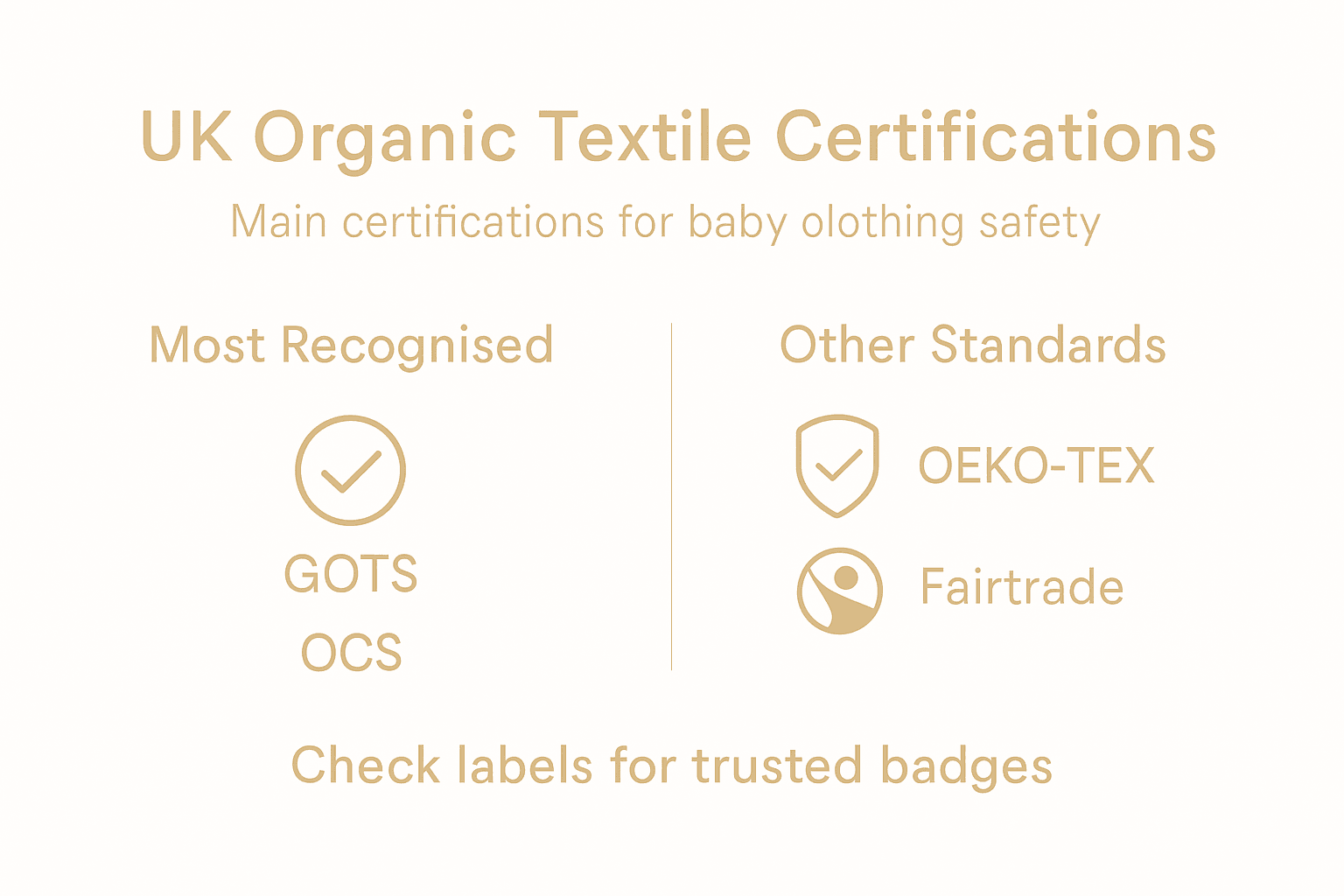
Another important certification to look for is the Organic Content Standard (OCS), which takes a different but equally valuable approach. Rather than covering the full production process like GOTS, OCS focuses specifically on verifying the organic content of products and tracking the supply chain from certified organic farms through to finished goods. This certification supports organic farming directly by helping farmers access organic markets and uses professional third-party audits to verify claims about organic content. The Organic Content Standard is harmonised internationally and developed with input from industry stakeholders, making it a credible choice when you see it on labels.
Beyond GOTS and OCS, you may encounter other certifications like OEKO-TEX Standard 100, which focuses on testing finished products for harmful substances rather than certifying the organic status of materials. For UK families specifically, understanding these distinctions matters because they tell you what guarantee you’re actually receiving. GOTS offers the most comprehensive protection, covering everything from pesticide-free farming to fair wages and safe working conditions. OCS works well for products where you want verified organic content but are less concerned about the full production journey. Choosing certifications that match your priorities helps you invest thoughtfully in pieces that align with your family’s values.
Pro tip: Check product labels for GOTS certification first, as it provides the most comprehensive guarantee of organic production and ethical practices throughout the entire supply chain.
To help you easily understand how the main textile certifications differ, see the summary below:
| Certification | Scope of Coverage | Main Criteria | Best For |
|---|---|---|---|
| GOTS | Full supply chain | Organic content, social and chemical standards | Highest ecological and ethical assurance |
| OCS | Verifies organic content only | Tracks organic material from farm to product | Confirming organic content percentage |
| OEKO-TEX Standard 100 | Finished product testing | Checks for harmful substances in final garments | Ensuring products are free of dangerous chemicals |
Health benefits for babies’ sensitive skin
Your newborn’s skin is remarkably delicate. It’s thinner than adult skin, more permeable, and still developing its natural protective barrier. This means anything that comes into direct contact with your baby’s body has a greater chance of causing irritation or triggering uncomfortable reactions. Organic baby clothing addresses this vulnerability by eliminating the chemical treatments and synthetic dyes that conventional baby wear often contains. When you dress your little one in organic pieces made from soft natural fibres like cotton, you’re creating a protective layer that reduces irritation, overheating, and the sweating that can trigger skin flare-ups. The absence of synthetic materials and harsh chemical finishes means your baby’s skin gets to breathe naturally, supporting rather than undermining their skin health.
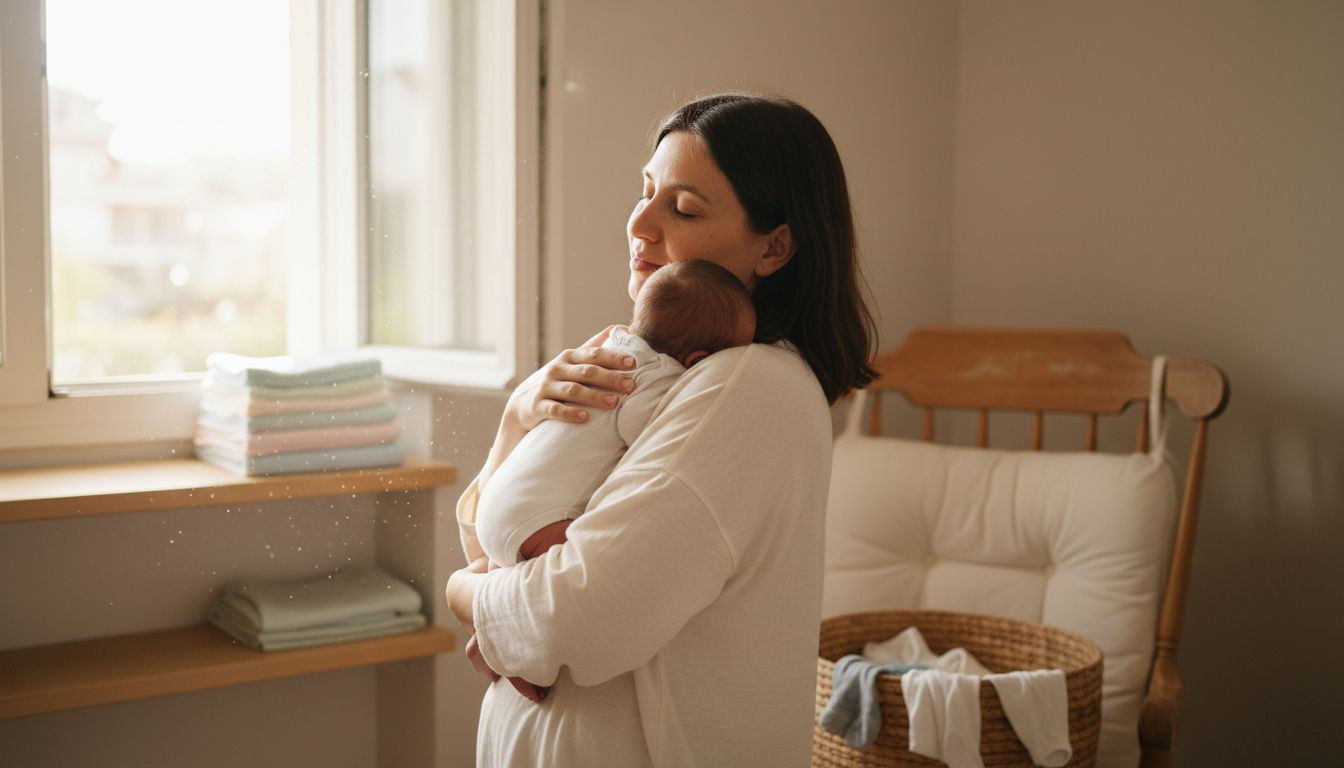
For babies with eczema or known sensitivities, the choice becomes even more critical. Clothing and eczema flare-ups are closely linked, with synthetic fabrics and dyes often acting as significant triggers. Certified organic materials limit your baby’s exposure to harmful chemicals and potential allergens that might worsen existing skin conditions. Beyond the fabric itself, sensory-friendly designs matter too. Quality organic clothing often features tagless designs, flat seams, and minimal fastenings that prevent the discomfort caused by rough labels or scratchy seams rubbing against delicate skin. These thoughtful design elements reduce itchiness and the anxiety that comes with physical discomfort, creating a calmer experience for your baby throughout the day.
The long-term benefits extend beyond immediate comfort. By choosing organic from the start, you’re reducing your baby’s cumulative chemical exposure during their most vulnerable developmental stage. Newborns cannot regulate their skin’s moisture loss as effectively as older children, making them more susceptible to irritation from chemical residues that have been absorbed into conventional fabrics during manufacturing and dyeing. Organic clothing eliminates this problem entirely. You’ll likely notice your baby sleeps better, fusses less during dressing routines, and experiences fewer unexplained skin rashes. Investing in organic pieces means choosing garments that genuinely support your baby’s skin health rather than simply looking attractive on a nursery shelf. For eco-conscious UK parents, this alignment between what’s good for your baby and what’s good for the planet creates a genuinely meaningful choice.
Pro tip: Wash new organic baby clothing gently before first wear and maintain soft textures by following proper baby clothing care techniques, which preserves the natural fibres and prevents the buildup of residues that could irritate sensitive skin.
Environmental impacts and sustainability
The textile industry carries an enormous environmental footprint. Beyond the visible clothing hanging in wardrobes, there’s an invisible cost: water depletion, soil degradation, chemical pollution, and significant greenhouse gas emissions. Conventional cotton farming alone uses roughly 16% of global pesticides despite occupying only 2.5% of cultivated land. When you choose organic baby clothing, you’re stepping away from this destructive cycle. Organic farming methods eliminate synthetic pesticides and fertilisers, protecting soil health and preventing chemical runoff that poisons waterways. The difference becomes tangible when you understand that switching to organic textiles reduces water usage, limits chemical pollution, and promotes biodiversity across farming regions. For UK families committed to leaving a healthier planet for their children, the choice to buy organic becomes an act of environmental stewardship starting in the nursery.
Organic cotton farming delivers measurable environmental advantages. Organic cotton production avoids synthetic chemical fertilisers and pesticides entirely, reducing greenhouse gas emissions significantly compared to conventional methods. Organic soils retain water more effectively, which means less irrigation is needed and erosion is minimised. This matters because water scarcity affects millions globally, and every reduction in irrigation demand helps preserve this precious resource. Beyond water conservation, organic farms support thriving ecosystems. Beneficial insects, native plant species, and soil microorganisms flourish on organic farms in ways they simply cannot on chemically treated land. Additionally, organic farming practices contribute to carbon sequestration, actively improving climate change mitigation efforts rather than exacerbating the problem.
When you purchase organic baby clothing, you’re supporting a production model that prioritises circular economy principles and industry-wide collaboration. Sustainable textile production represents a fundamental shift away from the linear “take, make, dispose” model that has dominated fashion for decades. Companies increasingly advocate for collaborative approaches to advance sustainable and circular value chains, meaning your purchasing decisions encourage manufacturers to adopt better practices. Every organic garment you buy signals market demand for products that don’t compromise soil, water, or air quality. For parents raising children in the UK, this connection between nursery purchases and planetary health creates a powerful motivation. You’re not just selecting practical clothing for your baby. You’re voting with your wallet for a fashion industry that respects environmental boundaries and supports communities rather than exploiting them.
Pro tip: Look for brands that provide transparency about their supply chain and farming practices, as this demonstrates genuine commitment to sustainability rather than greenwashing, helping you make purchases that truly align with your environmental values.
Legal requirements and safety regulations UK
When you purchase baby clothing in the UK, whether conventional or organic, you’re protected by a comprehensive framework of legal requirements and safety standards designed to keep your child safe. Understanding these regulations gives you confidence that products you buy meet strict criteria. The UK maintains rigorous testing and certification requirements that apply to all children’s products, including baby clothing. Manufacturers and importers must ensure their items comply with applicable safety standards before they reach shop shelves or online retailers. This regulatory oversight means that reputable baby clothing brands operating in the UK have already undergone extensive safety verification before you ever see their products advertised.
Organic certification in the UK operates under equally strict legal enforcement. Organic certification compliance is legally regulated by the Department for Environment, Food and Rural Affairs (Defra), meaning businesses must fully comply with established organic production standards. Independent certification bodies such as OF and G perform annual audits to verify that companies genuinely meet organic requirements rather than making false claims. Using the organic label without appropriate certification is illegal and can trigger enforcement action by UK Trading Standards. This legal framework protects you from greenwashing, ensuring that when you buy clothing labelled organic, it has genuinely been produced to those standards. The enforcement mechanisms ensure market integrity and consumer trust, so you can purchase with genuine confidence rather than simply hoping companies are telling the truth.
Baby clothing specifically must meet safety standards that address potential hazards relevant to young children. Children’s product safety certificates require manufacturers and importers to obtain third-party testing documentation demonstrating compliance with applicable safety rules. This testing verifies that baby clothing contains no harmful substances that could leach into your baby’s skin and examines construction for hazards such as loose buttons or threads that could pose choking risks. The combination of organic certification and children’s product safety standards creates a double layer of protection. You’re not just getting clothing free from synthetic chemicals; you’re getting clothing that has been independently tested for safety compliance. For UK families, this means shopping for organic baby clothing through reputable retailers provides genuine assurance that products meet both environmental integrity standards and robust safety requirements.
Pro tip: Always look for certification labels on product tags and packaging, and verify the certifying body is legitimate by checking UK Trading Standards records if you’re unsure about a brand’s credibility.
Organic vs conventional baby clothes compared
The differences between organic and conventional baby clothing extend far deeper than price tags or marketing claims. Conventional cotton, which dominates the baby clothing market, is grown using synthetic pesticides and fertilisers that leave chemical residues in the finished fabric. Your baby’s skin absorbs whatever touches it, meaning conventional clothing introduces these chemicals into direct contact with delicate skin during the first months of life when absorption rates are highest. Organic cotton baby clothes, by contrast, are produced without synthetic pesticides, fertilisers, or genetically modified organisms. This fundamental difference shapes everything from environmental impact to what your baby is actually wearing. When you hold conventional and organic pieces side by side, they may look identical, but the production journey and safety profile are vastly different. Organic farming also supports better soil health, biodiversity, and water conservation, whilst conventional farming contributes to soil degradation and water pollution that affects entire farming regions.
The environmental cost of conventional cotton is staggering. Conventional cotton farming relies heavily on synthetic chemicals despite covering a relatively small portion of global agricultural land. Organic cotton significantly reduces greenhouse gas emissions, water pollution, and use of synthetic chemicals compared to conventional methods. Organic farms promote biodiversity and soil carbon sequestration, benefiting long-term ecosystem health. For UK families, this means your purchase decisions directly influence how much pesticide runoff enters waterways and how much chemical exposure agricultural workers face during production. Conventional clothing may cost less upfront, but that lower price reflects externalised costs paid by farming communities and environmental systems rather than reflected in the retail price. The true cost of cheap conventional baby clothing includes soil degradation, water pollution, and health impacts on farm workers that you never see on the receipt.
When it comes to what matters most to parents, the chemical exposure difference is decisive. Organic versus conventional cotton production demonstrates that organic clothes provide safer materials for babies’ sensitive skin by eliminating exposure to pesticides that conventional cotton retains even after manufacturing. Your newborn spends roughly 22 hours per day in contact with clothing, meaning chemical exposure through conventional garments compounds rapidly. Organic pieces, although typically costlier, provide genuine benefits in sustainability and dramatically reduced chemical exposure. Many parents find that investing in a smaller organic wardrobe that rotates well offers better value than buying larger quantities of cheaper conventional pieces that may trigger skin reactions. The decision ultimately comes down to your priorities. If minimising chemical exposure and supporting sustainable farming matters to you, organic represents a genuine investment in your baby’s health and your family’s environmental impact.
The table below compares the essential differences between organic and conventional baby clothing:
| Aspect | Organic Baby Clothing | Conventional Baby Clothing |
|---|---|---|
| Chemical Residues | Free from synthetic chemicals | Residues from pesticides and dyes likely |
| Environmental Impact | Supports biodiversity, uses less water | Causes pollution, degrades soil |
| Skin Sensitivity | Gentler on delicate skin | More likely to cause irritation |
| Price | Costlier, long-term value | Lower initial cost, hidden environmental costs |
Pro tip: Start by investing in organic basics like bodysuits and sleep clothing that have the most prolonged skin contact, allowing you to build an organic wardrobe gradually whilst managing costs.
Choose Organic Baby Clothing That Truly Cares for Your Little One
The article highlights the critical challenge UK parents face in protecting their babies’ sensitive skin while supporting ethical and sustainable farming practices. If you want to avoid harsh chemical residues and synthetic dyes and create a nurturing environment with clothing that feels gentle and safe against delicate skin, investing in certified organic baby clothing is essential. Little Hive understands these needs and offers a carefully curated selection of organic baby garments crafted with timeless style and enduring quality. Each piece is chosen to promote calm aesthetics and to support your family’s wellbeing and the planet’s health.
Explore our range of organic baby clothing today at Little Hive and discover beautiful, sustainable pieces designed to provide ultimate comfort and safety. Start building your baby’s organic wardrobe now and enjoy peace of mind knowing you are making a thoughtful choice that aligns with your values on nurturing children’s essentials. Visit us and find the perfect outfits that combine ethical sourcing with exceptional craftsmanship to care for your newest family member.
Frequently Asked Questions
What are the benefits of choosing organic baby clothing?
Organic baby clothing is made from natural fibres without harmful chemicals, making it gentler on your baby’s sensitive skin. It eliminates potential irritants and reduces chemical exposure, which can be particularly beneficial for infants with skin sensitivities or conditions like eczema.
How can I identify certified organic baby clothing?
Look for certifications such as GOTS (Global Organic Textile Standard) and OCS (Organic Content Standard) on product labels. These certifications ensure that the clothing meets high standards for organic content and environmental practices throughout the production process.
What is the environmental impact of organic vs conventional baby clothing?
Organic baby clothing is produced using farming methods that avoid synthetic pesticides and fertilisers. This not only reduces chemical pollution but also supports biodiversity and water conservation, unlike conventional baby clothing, which can contribute to soil degradation and water pollution.
How should I care for organic baby clothing to maintain its quality?
To preserve the softness and longevity of organic baby clothing, wash it gently with mild detergents, and avoid harsh chemicals. Follow care instructions closely and consider air drying to maintain the integrity of the natural fibres.