

7 Must-Have Items for Every Baby Essentials List
Comfort and sustainability lead the way in today’s british nursery trends. As over 85 percent of british parents now seek eco-friendly baby products, the demand for essentials that blend style with wellbeing has surged. Thoughtful choices—from soft organic clothing to soothing nursery décor and innovative feeding gear—shape peaceful environments and long-term benefits for your family. Discover how mindful selection of baby essentials supports your child’s comfort, environmental values, and serene nursery design.
Table of Contents
- High-Quality Baby Clothing For Comfort
- Sustainable Nappies And Changing Items
- Gentle Baby Skincare And Bathing Essentials
- Durable Wooden Toys For Early Play
- Stylish Nursery Décor For A Calm Space
- Safe Feeding Equipment And Accessories
- Cosy Blankets And Sleepwear For Restful Nights
Quick Summary
| Takeaway | Explanation |
|---|---|
| 1. Choose Soft, Breathable Fabrics | Select garments made from organic cotton or bamboo for optimal comfort and temperature regulation for your baby. |
| 2. Opt for Sustainable Nappies | Use reusable cloth nappies or biodegradable options to minimise environmental impact and protect sensitive skin. |
| 3. Implement Gentle Bathing Practices | Limit full baths and use mild, fragrance-free products to maintain your baby’s skin health and hydration. |
| 4. Invest in Durable Wooden Toys | Wooden toys encourage open-ended play and promote cognitive and motor skill development through tactile engagement. |
| 5. Prioritise Safe Sleepwear Choices | Select fitted, breathable sleepwear and avoid loose blankets to ensure a safe, comfortable sleeping environment for your baby. |
1. High-Quality Baby Clothing for Comfort
Comfort is paramount when selecting baby clothing, and understanding the right fabric choices can significantly impact your little one’s wellbeing. When it comes to dressing your newborn, soft breathable materials are not just a luxury but a necessity for maintaining optimal comfort and supporting healthy development.
Choosing high-quality baby clothing involves more than aesthetic appeal. Pediatric experts recommend selecting garments that provide comfort, support natural movement, and protect your baby’s delicate skin. Natural fibres like organic cotton and bamboo offer superior breathability and gentleness against sensitive skin, helping regulate body temperature and minimise irritation.
The key considerations for high-quality baby clothing include fabric weight, stretch, and construction. Look for items with flat seams that prevent chafing, wide neck openings for easy dressing, and materials that allow skin to breathe. Rompers and bodysuits with thoughtful design elements like envelope necklines and press stud fastenings make changing and dressing much simpler.
A well-designed baby clothing collection supports not just comfort but also safe sleep practices. Opt for lightweight layers that can be easily adjusted to maintain consistent body temperature, preventing overheating or excessive cooling during rest periods.
Top Tip: Select baby clothing with gentle elastic waistbands and stretchy fabrics that grow with your child, maximising wear time and providing consistent comfort.
2. Sustainable Nappies and Changing Items
Parents today are increasingly conscious about the environmental impact of their baby care choices, particularly when it comes to nappies. The nappy industry presents significant ecological challenges, with over 300,000 disposable nappies sent to landfill every single minute globally.
Sustainable nappies offer a responsible alternative to traditional disposable products. Modern eco-friendly options include reusable cloth nappies, biodegradable disposables, and innovative materials designed to minimise environmental footprint. These choices not only reduce plastic waste but also provide gentle protection for your baby’s sensitive skin.
Reusable nappies represent an excellent sustainable solution. When washed responsibly—using full loads, low temperature settings, and line drying—these nappies can dramatically reduce both water and energy consumption. Many parents find that investing in a set of high-quality reusable nappies leads to substantial long-term savings and significantly reduced household waste.
When selecting sustainable changing items, consider factors beyond the nappy itself. Look for complementary products like bamboo or organic cotton wipes, minimalist changing mats, and biodegradable disposal bags. These thoughtful choices collectively contribute to a more environmentally responsible baby care routine.
Top Tip: Invest in a versatile set of reusable nappies and establish a consistent washing routine to maximise both environmental benefits and cost effectiveness.
3. Gentle Baby Skincare and Bathing Essentials
Navigating baby skincare requires a delicate approach that prioritises gentle protection and understanding your newborn’s unique dermatological needs. The first months of life demand a specialised skincare routine that preserves the natural protective barrier of your baby’s exceptionally sensitive skin.
Newborn bathing practices require remarkable thoughtfulness. Experts recommend limiting full baths to approximately three times per week to prevent unnecessary skin dryness while maintaining optimal hygiene. Warm water and soft washcloths serve as the primary tools for keeping your baby clean without compromising their delicate epidermal layer.
When selecting skincare products, prioritise fragrance-free formulations specifically designed for infant skin. Look for hypoallergenic cleansers with minimal ingredients that support the natural pH balance and protect against potential irritation. Organic and natural ingredient lists provide additional reassurance for parents seeking the most nurturing options for their little ones.
The bathing environment plays a crucial role in your baby’s comfort and skin health. Maintain a warm draft-free space with soft towels readily available. Use mild, tear-free products that respect the delicate microbiome of infant skin, avoiding harsh chemicals that might disrupt natural protective mechanisms.
Top Tip: Invest in soft bamboo washcloths and gentle, fragrance-free cleansers to create a soothing bathing experience that keeps your baby’s skin soft and protected.
4. Durable Wooden Toys for Early Play
Wooden toys represent a timeless approach to childhood learning and development that transcends modern plastic alternatives. These carefully crafted playthings offer more than mere entertainment they serve as foundational tools for cognitive and motor skill growth.
Wooden toys support open ended play by providing simple yet versatile platforms for children to explore their creativity. Unlike electronic or overly prescriptive toys, wooden blocks, puzzles, and vehicles encourage imagination and independent problem solving skills through unstructured play experiences.
The beauty of wooden toys lies in their remarkable durability and sensory engagement. Children can manipulate these toys with different textures exploring shape weight and construction in ways that plastic alternatives cannot replicate. Natural materials provide subtle tactile feedback that stimulates neural pathways and supports fine motor skill development.
Quality wooden toys are designed with developmental stages in mind featuring smooth edges safe construction and opportunities for progressive learning. Sorting boxes stacking blocks and simple push toys can grow with your child offering increasingly complex play opportunities as their cognitive abilities expand.
Top Tip: Rotate your child’s wooden toy collection periodically to maintain engagement and discover new ways of playing with familiar objects.
5. Stylish Nursery Décor for a Calm Space
Creating a serene nursery environment goes beyond aesthetic appeal it is about crafting a nurturing space that supports your baby’s emotional and developmental needs. The right décor can transform a simple room into a tranquil sanctuary that promotes restful sleep and gentle exploration.
Gender neutral nursery design offers remarkable versatility and long term value. Soft pastel colour palettes like muted sage, warm stone, and gentle blue create a calming atmosphere that grows with your child. Natural materials such as light wood furniture, cotton textiles, and woven accents introduce texture and warmth without overwhelming the sensory environment.
Functional design plays a crucial role in nursery styling. Incorporate thoughtful storage solutions that maintain visual simplicity soft lined baskets minimalist shelving and adaptable furniture pieces that can transition as your child develops. Consider a neutral colour scheme with subtle nature inspired elements like woodland creature mobiles or botanical wall art to stimulate gentle visual interest.
The key to a well designed nursery lies in balancing visual serenity with subtle stimulation. Strategically placed elements such as soft lighting natural textures and minimalist artwork can create a space that feels both comforting and gently engaging for your baby.
Top Tip: Select nursery décor pieces with neutral colour palettes and timeless design to create a versatile space that can elegantly adapt as your child grows.
6. Safe Feeding Equipment and Accessories
Feeding your baby involves more than simply providing nutrition it requires thoughtful selection of equipment that supports safe and comfortable eating experiences. Understanding the nuances of feeding accessories can transform mealtime into a nurturing developmental opportunity.
Responsive feeding practices are fundamental to infant nutrition and emotional development. This approach involves carefully observing and responding to your baby’s hunger and fullness signals rather than adhering to rigid feeding schedules. Choose feeding equipment that supports natural feeding rhythms soft silicone nipples with appropriate flow rates ergonomic bottles and gentle cleaning tools.
The American Academy of Pediatrics recommends exclusive breastfeeding for the first six months with careful introduction of solid foods thereafter. This guidance means selecting feeding accessories that adapt to your babys changing nutritional needs. Consider adjustable bottle systems with interchangeable teats soft weaning spoons with rounded edges and easy to clean materials that support hygienic feeding environments.
Key considerations for feeding equipment include material safety BPA free components medical grade silicone and design features that prevent air ingestion during feeding. Opt for bottles with anti colic systems ergonomic shapes that support proper infant positioning and accessories that make feeding comfortable for both caregiver and baby.
Top Tip: Invest in versatile feeding equipment that can transition between different stages of your baby’s nutritional journey minimising waste and supporting consistent comfort.
7. Cosy Blankets and Sleepwear for Restful Nights
Quality sleep is fundamental to infant development, and selecting appropriate sleepwear plays a crucial role in creating a safe and comfortable nighttime environment. Understanding how to dress your baby for sleep goes beyond aesthetic choices it is about ensuring optimal comfort and safety.
Safe sleep practices are paramount when considering infant sleepwear. Contrary to popular belief soft fluffy blankets and loose bedding can pose significant risks. Instead parents should focus on fitted lightweight sleepwear that allows natural movement while maintaining consistent body temperature.
Choose sleepwear crafted from breathable natural fibres like organic cotton or bamboo. These materials provide excellent temperature regulation preventing overheating while offering gentle softness against delicate skin. Look for snug fitting designs with minimal additional elements such as decorative buttons or complicated fastenings that might cause discomfort.
Instead of traditional blankets consider sleep sacks or swaddles designed specifically for infant safety. These innovative solutions provide warmth without the suffocation risks associated with loose bedding. Opt for versions with appropriate tog ratings that match your nursery’s ambient temperature ensuring your baby remains comfortably warm throughout the night.
Top Tip: Layer your baby’s sleepwear strategically using lightweight breathable pieces that can be easily adjusted to maintain consistent comfort across varying room temperatures.
Below is a comprehensive table summarising the key topics and recommendations discussed throughout the article.
| Section | Content Description | Key Recommendations |
|---|---|---|
| High-Quality Baby Clothing | Selecting clothing that prioritises comfort, using breathable materials such as organic cotton. | Ensure clothing features flat seams, wide neck openings, and thoughtful design elements to support ease of use. |
| Sustainable Nappies | Environmentally friendly alternatives to disposable nappies. | Invest in reusable nappies and pair them with biodegradable changing accessories for sustainability. |
| Gentle Baby Skincare | Practices for protecting and maintaining delicate infant skin. | Use hypoallergenic, fragrance-free cleansers and set up warm, draft-free bathing areas. |
| Durable Wooden Toys | Benefits of wooden toys in fostering imaginative and developmental play. | Choose versatile, safe designs with sufficient engagement for motor skill growth. |
| Stylish Nursery Décor | Creating a calm and nurturing space for infant development. | Opt for neutral colour palettes and functional design elements that adapt over time. |
| Safe Feeding Equipment | Supporting nutrition with thoughtful feeding accessories. | Select BPA-free, ergonomic feeding tools customised to your baby’s developmental needs. |
| Cosy Blankets and Sleepwear | Ensuring safe, comfortable sleep environments for infants. | Use lightweight sleepwear with breathable fabrics and swaddles for optimal safety. |
Discover Thoughtfully Curated Baby Essentials That Truly Care for Your Little One
The article highlights the vital need for baby essentials that combine comfort, sustainability, and safety—from soft breathable baby clothing to gentle skincare and durable wooden toys. Parents often face the challenge of finding products that not only protect delicate skin and promote restful sleep but also support eco-friendly living and timeless style. At Little Hive, we understand these concerns deeply and offer a carefully selected range of baby clothing, nursery décor, and toys that embrace natural materials, craftsmanship, and enduring design.
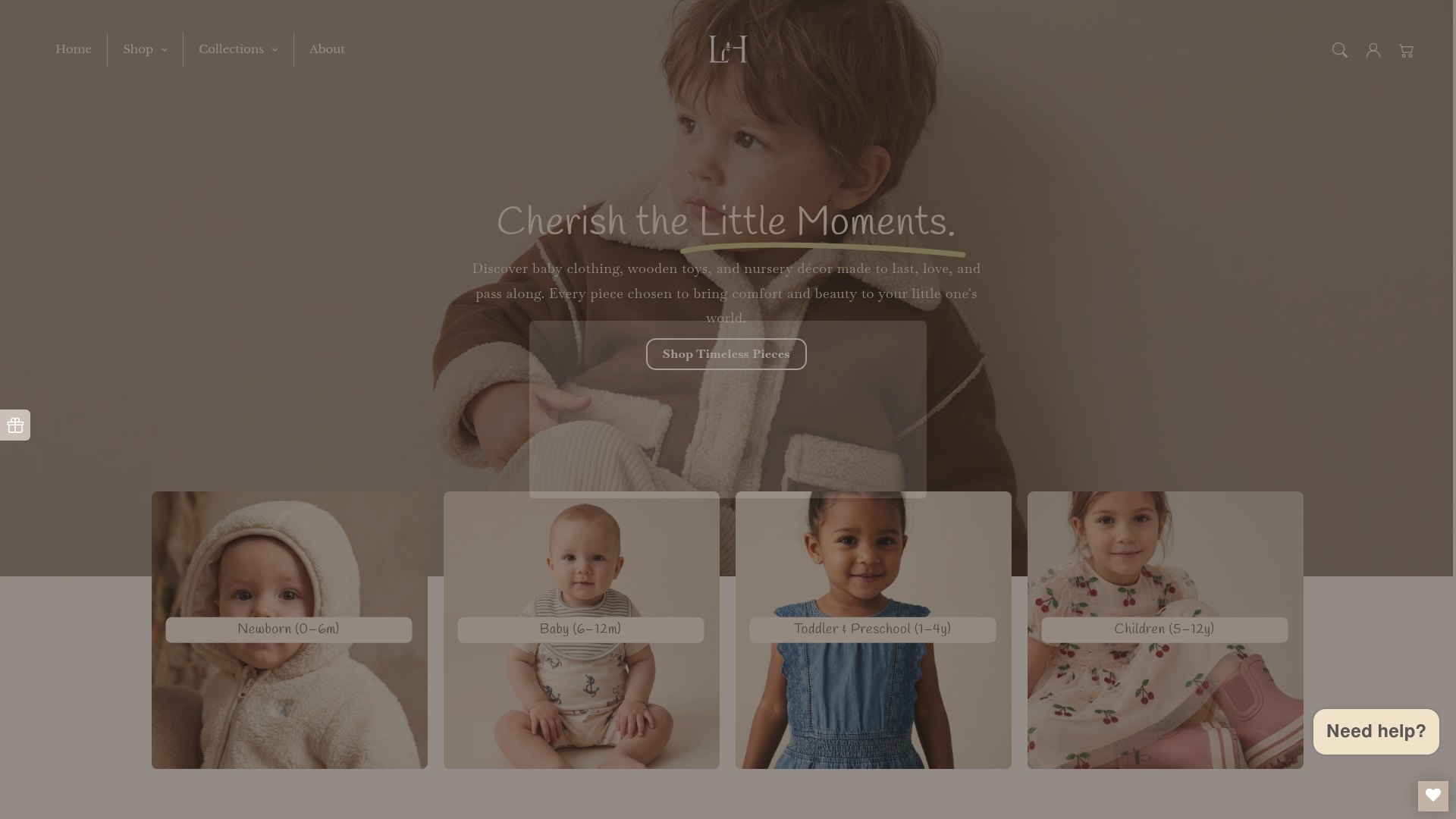
Explore our elegant collection that reflects what matters most—quality, comfort, and calm. Whether you need soft organic cotton rompers, sustainable wooden toys that inspire open-ended play, or stylish nursery accents that create a peaceful sanctuary, Little Hive provides beautiful solutions for every family. Visit us today and start building a baby essentials list you can trust for years to come. See our full range of baby clothing and accessories and create your perfect nurturing space that supports your child’s wellbeing every step of the way.
Frequently Asked Questions
What types of fabric are best for baby clothing?
High-quality baby clothing should ideally be made from soft, breathable fabrics like organic cotton or bamboo. These materials help regulate temperature and minimise irritation to sensitive skin. When shopping, prioritise garments that focus on comfort and support natural movement.
How often should I wash reusable nappies?
To maintain hygiene and effectiveness, wash reusable nappies after each use, ideally in full loads to save water and energy. Use a cold rinse followed by a hot wash, and ensure to line dry for a more sustainable approach.
How can I create a calming nursery environment?
Decorate your nursery with soft pastel colours and natural materials to promote a tranquil atmosphere. Incorporate functional storage solutions and sensitive design elements to balance visual serenity with the potential for gentle stimulation.
What should I look for in baby skincare products?
Choose fragrance-free, hypoallergenic formulations designed for infants to protect sensitive skin. Focus on products with minimal ingredients that support the natural pH balance of your baby’s skin and help prevent irritation.
How can I establish a safe sleep environment for my baby?
Dress your baby in fitted, lightweight sleepwear made from breathable materials to ensure they remain comfortable and safe during sleep. Avoid soft bedding, opting instead for sleep sacks or swaddles specifically designed to reduce suffocation risks.
What characteristics should I look for in wooden toys for my child?
Select high-quality wooden toys that are durable and safe, with smooth edges and non-toxic finishes. Look for toys that support open-ended play and cater to your child’s developmental stages, such as building blocks or simple puzzles.
Recommended
- Newborn Starter Bundle – The Little Hive
- Sophie la girafe® – My Birth Outfit Gift Set | The Little Hive
- Sophie la girafe® - 6 Washable Wipes – The Little Hive
- Neutral Newborn Gift Box | The Little Hive
- 7 Must-Know Family Camping Safety Checklist Tips – Hazli Collection
- 10 Cool Travel Accessories Every Traveler Must Have in 2020
- 7 Must-Have Mobile Accessories for Busy Parents in the UK – StudioShake