

What Is Sustainable Children’s Clothing and Why It Matters
Choosing what your child wears is about far more than style. For eco-conscious parents across the United Kingdom, sustainable children’s clothing means selecting garments designed for comfort, safety, health, and wellbeing—while minimising environmental impact. These principles go beyond passing trends, promising longer-lasting pieces that support active play and gentle care for sensitive skin. Discover how a commitment to responsible materials, genuine durability, and clever multifunctionality can transform your child’s wardrobe into a source of both confidence and environmental stewardship.
Table of Contents
- Core Principles Of Sustainable Children’s Clothing
- Material Choices: Organic, Recycled, And Natural Fibres
- Ethical Manufacturing And Safety Standards
- Longevity, Health, And Environmental Impact
- Costs, Common Pitfalls, And Alternatives
Key Takeaways
| Point | Details |
|---|---|
| Sustainable Design Philosophy | Sustainable children’s clothing prioritises durability, safety, and multifunctionality, leading to garments that support health and reduce waste. |
| Material Selection Matters | Opt for non-toxic, eco-friendly fabrics like organic cotton and recycled materials to ensure comfort and minimise environmental impact. |
| Cost Efficiency Over Time | Despite higher upfront costs, sustainable clothing offers better long-term value by lasting through multiple children and reducing replacement frequency. |
| Ethical Manufacturing Standards | Look for certifications such as GOTS and OEKO-TEX to ensure accountability in the supply chain, ensuring safety for children and fair treatment of workers. |
Core Principles of Sustainable Children’s Clothing
When you’re choosing clothes for your little ones, sustainable children’s clothing operates on a few core principles that set it apart from conventional options. At its heart, this approach means designing garments that work harder, last longer, and harm the environment far less. Rather than treating children’s clothes as temporary items to be discarded after one season, sustainable design views them as investments that should provide comfort, safety, health, and wellbeing whilst supporting your child’s natural exploration and development. This shift in perspective changes everything about how garments are conceived, manufactured, and eventually used in your home.
The foundation of sustainable children’s clothing rests on three interconnected pillars. First comes material selection, where designers prioritise safe, non-toxic, eco-friendly fabrics that won’t irritate your child’s sensitive skin or contribute to environmental degradation. Organic cotton, linen, and other natural fibres grown without harmful pesticides become the building blocks rather than an afterthought. Second is durability and quality construction. Seams are reinforced to withstand countless washes, fastenings are robust enough for active play, and the overall craftsmanship means these pieces survive the chaos of childhood and often pass down to younger siblings. Third is multifunctionality, which represents a genuinely clever approach to reducing waste. A single garment designed to grow with your child, adapt to different seasons, or serve multiple purposes dramatically reduces the number of items you need to purchase. Consider how a well-designed smock dress works equally well over winter jumpers or summer t-shirts, or how thoughtful design allows cuffs to be rolled up as your toddler grows rather than becoming unwearable after months. This multifunctional design approach transforms children’s clothing from a consumption problem into a practical solution.
What makes these principles particularly relevant for UK parents is how they address real challenges you face daily. Your child’s wardrobe needs to withstand vigorous play, frequent washing, and the inevitable spills and stains that come with being young. Sustainable pieces, built to last, actually reduce your overall spending and the constant cycle of replacing worn-out clothing. They also eliminate the stress of wondering whether synthetic materials or chemical dyes might trigger sensitivities in your child’s skin. Beyond your household, these principles acknowledge that environmental protection and ergonomic design work together to create garments that are genuinely better for children whilst reducing textile waste that ends up in landfill sites. The design process integrates environmental knowledge from the very beginning, meaning sustainability isn’t bolted on at the end but woven into every decision.
This interdisciplinary approach means brands and designers thinking about sustainable children’s clothing must balance multiple considerations simultaneously. They’re solving for comfort and freedom of movement, ensuring safety through non-toxic materials, selecting fabrics that improve with washing rather than deteriorate, designing for growth and adaptation, and considering what happens to the garment when your child outgrows it. For you as a parent, this translates into pieces that feel right against your child’s skin, perform brilliantly through countless washes, look intentionally designed rather than mass-produced, and genuinely last through multiple children or transition into hand-me-downs without falling apart.
Here’s a summary highlighting the differences between sustainable and conventional children’s clothing:
| Aspect | Sustainable Clothing | Conventional Clothing |
|---|---|---|
| Material Safety | Non-toxic, certified natural fibres | Synthetic fibres, possible irritants |
| Durability | Reinforced seams, lasts multiple children | Often fragile, short lifespan |
| Environmental Impact | Lower water use, reduced pollution | High water consumption, more waste |
| Cost Over Time | Lower cost per wear, higher upfront | Cheaper initially, frequent replacing |
| Brand Transparency | Open supply chain, certifications listed | Limited supply chain info, vague claims |
Pro tip: _When evaluating sustainable children’s clothing, look beyond single factors like organic labelling and assess the entire picture: How is the garment constructed? Are seams reinforced? Can it be adjusted as your child grows? Will it be useful across multiple seasons or in different contexts? This holistic view helps you identify pieces that genuinely embody sustainable principles rather than simply marketing them.
Material Choices: Organic, Recycled, and Natural Fibres
When you’re shopping for sustainable children’s clothing, the material itself makes an enormous difference. The fabric your child wears directly touches their skin for hours every day, which is why material choices sit at the heart of sustainable design. Unlike fast fashion that prioritises cost and speed, sustainable clothing starts with a fundamental question: what will keep my child comfortable, safe, and healthy? The answer lies in understanding the options available to you and why certain materials genuinely matter more than others. Organic cotton, hemp, and lyocell stand out as the primary choices, each offering distinct advantages that conventional fabrics simply cannot match.
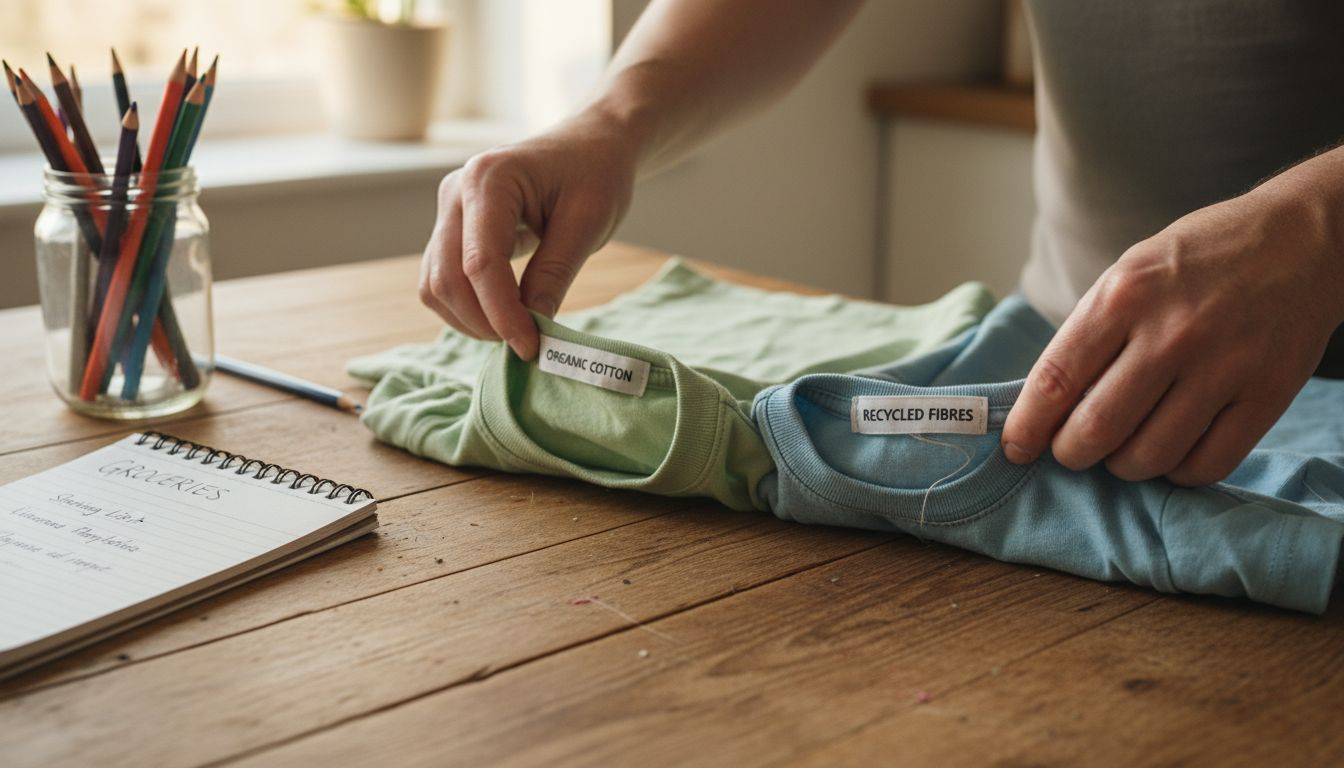
Organic cotton is perhaps the most recognisable sustainable material, and for good reason. Grown without synthetic pesticides, herbicides, or genetically modified seeds, organic cotton creates fabric that won’t irritate your child’s sensitive skin or expose them to toxic chemical residues. The difference between organic and conventional cotton production is staggering: conventional cotton uses roughly 16% of the world’s insecticides whilst occupying only 2.5% of cultivated land. For your child, this translates into softer, gentler fabric that breathes naturally and becomes even more comfortable with washing. Hemp offers another excellent natural fibre option, naturally resistant to pests and requiring minimal chemical inputs during growing. It produces incredibly durable fabric that actually strengthens with age and washing, meaning those hand-me-downs genuinely improve rather than deteriorate. Lyocell, derived from sustainably managed wood pulp, combines the softness of silk with the durability of linen, providing lightweight, breathable material perfect for layering across seasons. Beyond these classics, low-impact dyes minimise environmental harm throughout the entire garment lifecycle, ensuring the colour in your child’s clothing hasn’t created pollution or wasted vast quantities of water during production.
Recycled fibres represent another critical component of sustainable material choices, offering an elegant solution to textile waste. Recycled polyester and other sustainable materials reduce environmental footprint whilst maintaining excellent fabric performance and aesthetic appeal, transforming waste that might otherwise end up in landfill into functional, beautiful clothing. When you purchase a garment made from recycled content, you’re supporting circular economy principles that break the traditional take-make-dispose cycle. This is particularly relevant for children’s clothing, where durability matters intensely: a well-made recycled polyester piece can pass through multiple children, getting washed hundreds of times without losing its shape or colour. The key distinction here is quality. Sustainable brands invest in premium recycled materials that feel luxurious rather than compromised, and they combine recycled content with natural fibres in blends that offer the best of both worlds.
What truly matters when selecting materials is understanding the complete picture. Lightweight, breathable, soft, and stretchy materials work best for children because they move with active bodies rather than restricting play. A cotton-linen blend, for instance, combines cotton’s softness with linen’s durability and breathability. Wool (ideally organic) provides natural temperature regulation, moisture-wicking properties, and inherent antimicrobial qualities, making it excellent for layering pieces even though many parents initially hesitate about it. The most thoughtfully designed sustainable children’s clothing often combines these materials strategically: organic cotton for base layers touching sensitive skin, recycled fibres for durability in high-wear areas, and natural dyes that won’t leach chemicals during washing. When you examine a garment’s label, you’re looking for transparency about both fibre content and production methods. Brands that openly discuss where their materials come from and how they’re processed demonstrate genuine commitment to sustainability rather than merely marketing it.
Use this quick guide to understand common sustainable materials and their benefits:
| Material | Comfort for Children | Environmental Benefits |
|---|---|---|
| Organic Cotton | Soft, gentle on skin | Low pesticide use, less water required |
| Hemp | Breathable, tough fabric | Minimal chemicals, highly renewable |
| Lyocell | Silky, regulates moisture | Closed-loop production, biodegradable |
| Recycled Polyester | Stretchy, durable | Reduces landfill, supports recycling |
| Organic Wool | Temperature regulation | Naturally antimicrobial, less processing |
Pro tip: _When comparing materials, feel the fabric between your fingers and imagine it against your child’s skin during active play. Does it breathe? Does it have stretch recovery? Look for certifications like GOTS (Global Organic Textile Standard) or OEKO-TEX, which verify that materials have been tested for harmful substances and produced responsibly.
Ethical Manufacturing and Safety Standards
When you buy sustainable children’s clothing, you’re making two commitments simultaneously: one to your child’s safety and comfort, and another to the people who made the garment. Ethical manufacturing and safety standards exist precisely because these two commitments are inseparable. A beautiful organic cotton dress means nothing if the factory workers who sewed it laboured in unsafe conditions or if the garment itself contains harmful chemical residues. This is why leading sustainable brands undergo rigorous third-party certification rather than simply claiming to be ethical. These certifications aren’t marketing badges—they’re verifiable proof that someone independent has examined the entire production process and confirmed it meets strict, internationally recognised standards. Understanding which certifications matter most helps you shop with confidence, knowing your purchase genuinely aligns with your values.
The landscape of children’s clothing certifications can seem overwhelming, but a handful of standards consistently rise to the top. OEKO-TEX assures that fabrics have been tested for harmful substances at every production stage, meaning no toxic dyes, heavy metals, or chemical residues can end up against your child’s skin. GOTS (Global Organic Textile Standard) goes further, verifying not just the materials but also the entire supply chain, from farm to finished garment, ensuring organic integrity and ethical labour practices throughout. CPSIA compliance addresses specific American safety regulations around choking hazards and flammability, whilst EN71 covers European safety standards for toys and children’s products, ensuring garments meet strict physical and chemical safety requirements. Fairtrade certification directly tackles ethical manufacturing by guaranteeing fair wages, safe working conditions, and no exploitative labour practices. BSCI (Business Social Compliance Initiative) focuses on auditing working conditions across factories, ensuring workers receive fair treatment. When you see multiple certifications on a brand’s website or product label, it signals genuine commitment to responsible production rather than compliance with a single standard.
What makes these certifications genuinely matter is the rigorous testing and auditing involved. A brand cannot simply declare itself OEKO-TEX certified or claim fair working conditions without independent verification. Manufacturers must submit their facilities to unannounced inspections, workers must be interviewed confidentially about conditions and wages, and materials are lab-tested for prohibited substances. This transparency protects your child from exposure to harmful chemicals whilst ensuring factory workers aren’t exposed either. Many eco-conscious parents assume that choosing organic automatically means ethical manufacturing, but the two actually operate independently. A garment could be made from certified organic cotton yet produced in a factory with poor labour practices, or conversely, made from recycled materials in an exemplary ethical facility. Sustainable children’s clothing worthy of the name must address both dimensions completely.
Beyond formal certifications, ethical manufacturing extends to transparency and accountability. Responsible brands openly discuss where their garments are made, which factories they partner with, and what steps they take to ensure safety and fair treatment. Some publish detailed supply chain maps on their websites, others conduct regular audits and share results, and many engage directly with workers to understand their experiences. This transparency matters practically for UK parents because it tells you whether you’re supporting genuine sustainability or greenwashing. When a brand can answer specific questions about its manufacturing—where cotton is grown, which dyes are used, what wages workers earn—you’re dealing with companies that have done the work rather than those merely marketing sustainability. The safety standards themselves protect children from concrete hazards: choking risks from loose buttons or decorative elements, chemical burns from reactive dyes, or skin irritation from residual dyes and finishes. Safety certifications address toxic chemical residues, choking hazards, and general garment safety, meaning your child benefits from this rigorous oversight every time you dress them.
Pro tip: Before purchasing, check the brand’s website for their certifications and ask yourself: Can they clearly explain what each certification means? Do they publish factory locations? Can they discuss their supply chain openly? Brands genuinely committed to ethical manufacturing answer these questions willingly because they have nothing to hide.
Longevity, Health, and Environmental Impact
The true measure of sustainable children’s clothing isn’t what you pay upfront—it’s what happens over months and years of wear. Longevity fundamentally changes the environmental equation. When a garment lasts through multiple children, survives hundreds of washes without deteriorating, and eventually gets passed on or repurposed rather than thrown away, its environmental footprint shrinks dramatically compared to fast fashion alternatives. A cheap cotton dress that falls apart after a season creates vastly more waste per wear than an expensive, well-made piece that serves three children across five years. This is why durability sits at the heart of sustainable design philosophy. High-quality materials and thoughtful production extend garment life exponentially, and that longevity directly reduces resource consumption throughout the lifecycle. Every time you avoid purchasing a replacement, you’re saving water, carbon emissions, and chemicals that would have been expended in manufacturing a new item. For busy UK parents juggling multiple children and tight budgets, this practical reality aligns perfectly with sustainability values—spending more initially but buying far less frequently actually makes environmental and financial sense.
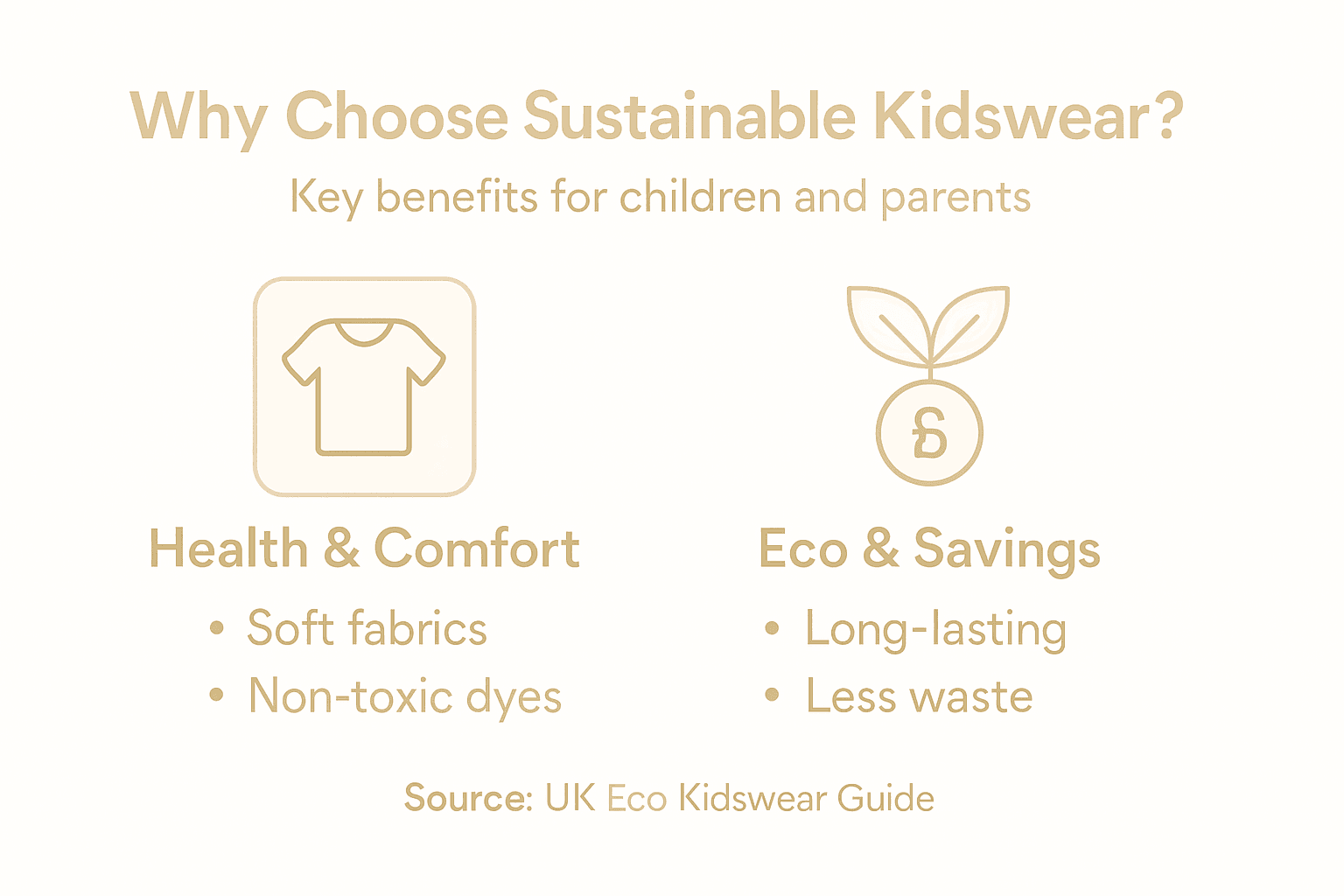
The health dimension of sustainable children’s clothing operates on a daily, visible level that many parents feel immediately. Your child’s skin is their largest organ, and clothing spends hours in direct contact with it every single day. Conventional children’s clothing often contains synthetic dyes, flame retardant chemicals, heavy metals, and formaldehyde residues that manufacturers use to meet safety regulations cheaply or improve appearance. These substances don’t simply sit inert on the fabric—they can transfer to your child’s skin, particularly through sweat or if they chew on clothing as younger children do. Sustainable clothing reduces chemical exposure while creating safer, more comfortable garments, meaning your child experiences fewer skin irritations, eczema flare-ups, or mysterious rashes that might otherwise require investigation. Beyond acute reactions, chronic low-level exposure to harmful chemicals affects development and wellbeing in ways we’re still fully understanding. Natural, certified materials mean fewer unknown substances against developing skin. Additionally, sustainable fabrics often perform better physically: organic cotton becomes softer with each wash rather than stiffer, wool naturally regulates temperature so your child stays comfortable across season changes, and linen develops a beautiful patina whilst becoming more durable. These aren’t minor comforts—they’re genuine improvements to your child’s daily experience.
The environmental impact cascades outward from these individual choices into systemic benefits. Consider water consumption alone: producing conventional cotton requires roughly 2,700 litres of water per t-shirt, much of it in water-stressed regions where irrigation depletes aquifers. Organic cotton uses significantly less water because it relies on natural rainfall and doesn’t require chemical inputs that must be diluted and flushed away. Then factor in dyes: conventional dyeing processes consume enormous quantities of water and release toxic wastewater into rivers, affecting entire communities downstream. Producing fewer, longer-lasting clothes lowers water usage, carbon emissions, and pollution, creating holistic positive environmental impact. When you purchase one durable piece instead of three disposable ones, you’re preventing three times the water pollution, three times the carbon emissions from manufacturing and shipping, and three times the textile waste heading to landfill. Sustainable children’s clothing also fosters something subtly powerful: it models mindful consumption for your children themselves. When kids grow up surrounded by garments designed to last, repaired rather than discarded, and passed along to younger siblings or cousins, they absorb values about material goods, waste, and environmental responsibility that shape their own adult choices. You’re not just buying safer clothing; you’re teaching a different relationship with consumption.
The practical mathematics of longevity become clear when you examine actual costs over time. A £15 fast-fashion dress worn twenty times across one season costs £0.75 per wear before it’s too worn for further use. A £60 sustainable piece worn two hundred times across five years costs £0.30 per wear, and that’s before considering that it then serves subsequent children or transforms into something else entirely. Many sustainable brands offer repair services or design their pieces to be easily mended, extending life even further. Some parents create garment rotation systems, washing pieces less frequently so they maintain quality longer. Others deliberately purchase neutral colours and timeless styles rather than trend-driven designs, ensuring pieces remain wearable as their child’s preferences develop. These aren’t complex strategies—they’re simply thinking about clothing as infrastructure rather than disposable consumption. When you shop this way, you’re making purchasing decisions based on actual value rather than impulse, which naturally leads to buying fewer, better items that genuinely align with your family’s lifestyle and your values.
Pro tip: Before buying sustainable children’s clothing, calculate the cost per wear by dividing the price by how many times you realistically expect to use it across all children who might wear it. A piece that costs more upfront often wins decisively on this metric, and it helps you recognise genuine investment pieces versus items that simply cost more without offering proportional durability.
Costs, Common Pitfalls, and Alternatives
Let’s address the elephant in the room: sustainable children’s clothing costs more upfront. A £60 organic cotton smock dress feels expensive when you see £15 alternatives lining high street shop rails. This price difference creates genuine friction for many families, especially those juggling multiple children and tight budgets. The critical insight, though, is that upfront cost and total cost are entirely different calculations. When you factor in how many times you’ll actually wear each piece, how many children it serves, and what happens when you inevitably replace cheaper items multiple times, sustainable clothing often becomes the more affordable choice over time. A piece worn by three children across five years costs substantially less per wear than three separate cheap dresses that each last one season. However, this only works if you genuinely choose durability and quality over accumulation. The pitfall emerges precisely here: some brands market themselves as sustainable whilst maintaining fast fashion economics, using vague language like “eco-friendly” without certifications, sourcing cheap materials that look good initially but deteriorate quickly, and pricing items high despite minimal actual sustainability credentials. This is greenwashing, and it’s deceptively common in children’s clothing because parents understandably want both affordability and sustainability.
Recognising greenwashing requires developing a discerning eye. Red flags include brands that emphasise one aspect of sustainability (organic materials) whilst ignoring others (labour practices or packaging waste), use multiple shades of green in marketing but provide no verifiable certifications, price items inconsistently high without explaining why, or fail to answer basic questions about their supply chain. Genuine sustainable brands cost more because they pay fair wages to workers, invest in better materials, maintain smaller production runs to reduce waste, and conduct transparent audits. Greenwashing brands charge premium prices by exploiting your values without delivering actual sustainability. The distinction matters enormously. You might spend £60 on a certified sustainable piece from a transparent brand and feel confident in your choice, or spend £50 on something marketed vaguely as “eco” from a brand that refuses to discuss its factories, and that’s actually the riskier financial and ethical decision. Greenwashing and fast fashion traps represent common pitfalls that undermine genuine sustainability efforts, so developing scepticism about marketing claims and seeking proper certifications protects both your wallet and your values.
Fortunately, multiple alternatives exist that make sustainable children’s clothing genuinely accessible without requiring a premium budget. Second-hand shopping remains the most environmentally impactful choice: a previously worn garment has already generated its environmental cost, so wearing it again for free or cheaply is pure environmental gain. UK parents have excellent options through online resale platforms, local Facebook groups, charity shops, and hand-me-down networks. Clothing swaps with other families let you exchange outgrown pieces, effectively creating a shared wardrobe without monetary exchange. Rental services designed for children’s clothing address the reality that young children grow out of items quickly; renting formal wear for special occasions or seasonal pieces you’ll use infrequently makes financial sense. Capsule wardrobes, deliberately chosen collections of versatile, neutral pieces that work together across multiple seasons, reduce the total number of items you need whilst encouraging thoughtful purchasing. Upcycling transforms damaged items into new pieces: a too-small shirt becomes pyjama bottoms or stuffing for a cushion, worn jeans convert into shorts or patches for other garments. These approaches aren’t sacrifices; they’re actually more creative, economical, and environmentally sound than purchasing new items constantly. Many eco-conscious parents combine these strategies, purchasing a few key pieces from sustainable brands, supplementing with quality second-hand items, swapping with friends, and renting occasion wear. This balanced approach lets you access sustainable options affordably whilst still supporting responsible brands.
The practical mathematics favour this mixed approach. A sustainable brand piece costs £50 new. A nearly identical second-hand version costs £15. The environmental impact of purchasing second-hand is dramatically better because you’re extending an existing garment’s life rather than funding new production. Yet you might splurge on one sustainable piece per season from a brand whose values particularly align with yours, supporting their business whilst keeping overall spending reasonable. You shop your children’s hand-me-down box before buying anything, you swap pieces with three other families regularly, and you rent the fancy occasion dress rather than purchasing something worn once. Over a year, you’ve supported sustainable practices, spent less money than buying new conventionally, and taught your children valuable lessons about resourcefulness and circular economy thinking. The brands that recognise this reality and support second-hand markets, provide repair services, or design pieces specifically for longevity and adaptation demonstrate genuine commitment to sustainability rather than just profit. Embracing rental services, resale marketplaces, and capsule wardrobes effectively balances sustainability with budget constraints, making responsible choices genuinely accessible for families of all financial situations.
Pro tip: Start with an inventory of what you already own and actually wear, then identify specific gaps: perhaps a versatile winter layer or summer dresses. Buy one quality sustainable piece to fill that gap whilst shopping second-hand for quantity. This focused approach stretches budgets whilst building a genuinely useful wardrobe rather than accumulating items your child never actually wears.
Embrace Sustainable Choices for Your Child’s Wardrobe Today
Choosing sustainable children’s clothing means prioritising quality, durability, and your child’s wellbeing while supporting ethical practices and environmental care. At Little Hive, we understand the challenges UK parents face with fast wear, chemical exposure, and confusing greenwashing claims. Our thoughtfully curated collection features timeless, durable pieces crafted from non-toxic, eco-friendly materials designed to grow with your child—helping you build a wardrobe that lasts through multiple children and seasons.
Discover a selection of beautifully crafted children’s clothing and accessories that align with the core principles of sustainability discussed in this article. Explore our clothing collection and experience handcrafted quality, transparency in sourcing, and versatile design that harmonises with gentle family lifestyles. Start investing in garments that protect your child’s health and reduce environmental impact now by visiting Little Hive. Take the first step toward a calmer, more responsible children’s wardrobe today.
Frequently Asked Questions
What is sustainable children’s clothing?
Sustainable children’s clothing refers to garments designed with an emphasis on environmental protection, durability, and health. It prioritises non-toxic materials, quality construction, and multifunctionality, ensuring longer-lasting wear that is safer for children and the planet.
Why is material selection important in sustainable children’s clothing?
Material selection is crucial because it affects both the safety and comfort of children’s clothing. Sustainable clothing uses non-toxic, eco-friendly fabrics like organic cotton and hemp, reducing skin irritation and harmful chemical exposure for children while minimising environmental degradation.
How does sustainable children’s clothing benefit parents financially?
Sustainable children’s clothing may have a higher initial cost, but it often proves more economical over time. Durable, high-quality garments can last through multiple children and many washes, reducing the need for frequent replacements, which ultimately lowers the cost per wear.
What certifications should I look for when choosing sustainable children’s clothing?
Important certifications to look for include OEKO-TEX, which tests for harmful substances, and GOTS (Global Organic Textile Standard), ensuring both organic materials and ethical manufacturing practices. These certifications help verify the true sustainability of the clothing you choose.