

7 Types of Nursery Décor for Calm and Stylish Spaces
Designing your baby’s nursery can quickly feel overwhelming when you want to balance beauty, comfort, and learning. Every parent hopes to create a space that is both welcoming and supportive of healthy development, but the sheer number of design choices can make it hard to know where to begin. From choosing calming colours to picking the right storage, every detail matters.
The right nursery décor goes beyond simple style – it contributes to your child’s curiosity, sense of security, and daily routines. This guide will show you how to weave together visually calming design, tactile comfort, and clever organisation inspired by Montessori principles and modern practice. You are about to discover creative ways to make your nursery more meaningful, practical, and nurturing at every stage.
Table of Contents
- 1. Wooden Wall Art For Timeless Charm
- 2. Soft Textiles To Add Warmth And Comfort
- 3. Storage Solutions That Blend Style And Function
- 4. Gentle Lighting For A Calm Nursery Atmosphere
- 5. Decorative Mobiles To Soothe And Inspire
- 6. Handmade Rugs For Cosy Floor Spaces
- 7. Statement Shelving Showcasing Craftsmanship
Quick Summary
| Takeaway | Explanation |
|---|---|
| 1. Choose wooden wall art for sensory engagement | Wooden wall art promotes sensory exploration and cognitive development through natural textures and geometric shapes, enhancing your child’s learning environment. |
| 2. Opt for soft textiles for comfort and security | Selecting textiles made from natural materials provides comfort, emotional regulation, and enhances your child’s sense of security in the nursery. |
| 3. Implement smart storage solutions | Thoughtful storage not only keeps the nursery organized but also allows children independent access to their toys, fostering early learning through exploration. |
| 4. Use layered lighting for mood adaptability | Combining different light sources creates a soothing ambiance, supporting your child’s emotional well-being and facilitating various activities throughout the day. |
| 5. Incorporate decorative mobiles for cognitive growth | Thoughtfully designed mobiles engage visual tracking skills and neural development, offering gentle sensory experiences that support nursery tranquility. |
1. Wooden Wall Art for Timeless Charm
Wooden wall art offers a sublime approach to nurturing your nursery’s aesthetic while supporting your child’s developmental journey. These elegant decorative pieces transform blank walls into engaging sensory landscapes that capture imagination and promote calm.
In Montessori-inspired nursery design, wooden wall art serves far more than a decorative purpose. It represents a thoughtful strategy for creating an environment that encourages natural learning and exploration.
Key benefits of wooden wall art include:
- Promotes sensory engagement through natural textures
- Introduces children to simple geometric shapes
- Supports cognitive development through visual stimulation
- Creates a serene and uncluttered visual environment
- Connects children with natural materials
Wooden wall art transforms nursery spaces from mere rooms into gentle learning landscapes that respect a child’s innate curiosity.
When selecting wooden wall art, prioritise pieces that feature clean lines simple shapes and natural wood tones. Look for handcrafted items made from sustainable timber that complement your nursery’s colour palette.
Pro tip: Select wooden wall art featuring neutral tones and minimalist designs to create a timeless backdrop that can evolve with your child’s growing aesthetic preferences.
2. Soft Textiles to Add Warmth and Comfort
Nursery textiles are far more than mere decorative elements they are crucial contributors to your child’s sensory development and emotional wellbeing. Creating a nurturing environment begins with selecting soft textiles that provide comfort and stimulation.
In Montessori-inspired nursery design, natural textiles play a transformative role in supporting a child’s early learning experiences.
Benefits of thoughtfully chosen nursery textiles include:
- Provides tactile sensory experiences
- Supports emotional regulation
- Creates a sense of security and comfort
- Introduces different textures and material qualities
- Enhances visual and touch-based learning
Soft textiles are the gentle storytellers of a nursery environment communicating safety comfort and potential for exploration.
Prioritise textiles made from natural breathable materials such as organic cotton wool and muslin. These fabrics offer superior comfort temperature regulation and sensory engagement for your little one.
Pro tip: Layer different textures and weights of soft textiles to create a dynamic sensory landscape that grows with your child’s developmental stages.
3. Storage Solutions that Blend Style and Function
Nursery storage is not just about tucking away baby items it is about creating an intelligent environment that supports both parental organisation and childhood exploration. Smart storage solutions transform cluttered spaces into harmonious developmental zones.
In modern nursery design, storage goes beyond mere functionality to become an integral part of the room’s aesthetic and learning landscape.
Key advantages of thoughtful nursery storage include:
- Maintains a clean and organised environment
- Supports child’s independent access to toys and materials
- Creates visually calming spaces
- Encourages early learning through accessibility
- Reduces parental stress around tidiness
Effective storage is the quiet architect of a nursery that whispers organisation while shouting creativity.
Consider multi-purpose furniture like storage ottomans or floating wall shelves that offer concealed storage while maintaining a sleek visual appeal. Open shelving with soft baskets allows children to see and easily reach their favourite items while keeping the space tidy.
Pro tip: Rotate storage baskets and shelf contents quarterly to maintain your child’s interest and support developmental curiosity without overwhelming the space.
4. Gentle Lighting for a Calm Nursery Atmosphere
Lighting transforms a nursery from a mere room into a nurturing sanctuary that supports your baby’s sensory development and emotional wellbeing. Thoughtful illumination creates an environment of tranquillity and comfort that adapts to different moments throughout the day.
Experts recommend nursery lighting strategies that prioritise soft diffused light sources which reduce overstimulation and promote restfulness.
Key lighting considerations include:
- Utilise warm colour temperature bulbs
- Implement adjustable dimmer switches
- Choose shaded fixtures to soften harsh light
- Position lights to create gentle ambient illumination
- Avoid direct bright overhead lighting
A well-designed nursery lighting scheme whispers comfort and gently guides your child through sleep and wakefulness.
Layered lighting offers versatility by combining different light sources such as wall sconces soft table lamps and ceiling fixtures with adjustable brightness. This approach allows you to create different moods and illuminate specific areas for feeding changing or quiet play.
Pro tip: Select LED bulbs with colour temperature settings between 2700-3000K to create a warm inviting atmosphere that supports natural circadian rhythms.
5. Decorative Mobiles to Soothe and Inspire
Decorative mobiles are far more than charming nursery accessories they are sophisticated developmental tools that engage and nurture your baby’s emerging sensory capabilities. These delicate suspended artworks create a magical visual landscape that supports cognitive growth and emotional tranquillity.
Research highlights nursery mobile design principles that transform these seemingly simple objects into powerful learning instruments.
Key benefits of thoughtfully designed mobiles include:
- Encourages visual tracking skills
- Stimulates neural pathway development
- Provides gentle sensory engagement
- Creates a calming nursery atmosphere
- Supports early cognitive exploration
A well-crafted mobile is a silent teacher dancing above your child’s world transforming moments of rest into opportunities for wonder.
Artistic mobiles should feature soft colours gentle movements and intricate yet not overwhelming designs. Consider elements that move slowly and smoothly creating a hypnotic yet soothing visual experience that captures your baby’s attention without causing overstimulation.
Pro tip: Position mobiles approximately 30 centimetres above your baby’s eye level and rotate designs periodically to maintain sensory interest and prevent visual fatigue.
6. Handmade Rugs for Cosy Floor Spaces
Handmade rugs are more than mere floor coverings they are carefully crafted landscapes of comfort and sensory exploration for your little one. These artisanal textiles transform nursery spaces into warm inviting environments that nurture both physical and emotional development.
Experts in nursery textile design emphasise the importance of thoughtfully selected floor coverings that support children’s learning experiences.
Benefits of handmade nursery rugs include:
- Provides soft safe play surfaces
- Introduces natural textile textures
- Supports sensory motor development
- Creates visual warmth and depth
- Enables sustainable design choices
A handmade rug is a silent storyteller weaving comfort care and creativity into your child’s earliest environment.
Artisanal textile choices should prioritise natural fibres like wool cotton and organic materials. These fabrics offer superior softness breathability and durability creating a nurturing foundation for your baby’s exploratory moments.
Pro tip: Select handmade rugs with low pile heights to ensure easy cleaning and prevent tripping hazards while maintaining a soft supportive surface for infant play.
7. Statement Shelving Showcasing Craftsmanship
Statement shelving transforms nursery spaces from mere storage areas into curated expressions of design and functionality. These carefully crafted elements serve as both practical organisational tools and artistic focal points that celebrate exceptional craftsmanship.
Experts in nursery design philosophy emphasise the importance of integrating storage solutions that are visually engaging and purposeful.
Key advantages of statement shelving include:
- Maximises vertical storage space
- Creates visual interest in the nursery
- Supports organisational efficiency
- Showcases unique design elements
- Allows flexible display options
Thoughtfully designed shelving becomes the quiet narrator of your nursery’s aesthetic story telling tales of creativity and intentional care.
Modular shelving designs offer remarkable versatility allowing parents to adapt storage configurations as their child grows. Look for pieces crafted from sustainable materials like solid wood or bamboo that feature clean lines and understated elegance.
Pro tip: Select shelving with rounded edges and secure mounting to ensure child safety while maintaining a sophisticated design aesthetic.
Below is a comprehensive table summarizing the main themes and practical insights discussed throughout the article regarding enhancing nursery design with functional and aesthetic solutions.
| Aspect | Key Elements | Considerations |
|---|---|---|
| Wooden Wall Art | Geometric designs in natural tones elevate nursery visual appeal while supporting sensory engagement. | Opt for handcrafted and sustainable materials to align with timeless design principles. |
| Soft Textiles | Breathable, natural fabrics enhance comfort and sensory exploration. | Layer textures to provide dynamic touch experiences suited to developmental stages. |
| Storage Solutions | Multi-functional storage furniture and open shelving simplify organisation and encourage independent access. | Rotate contents regularly to sustain interest in various sensory and educational materials. |
| Gentle Lighting | Adjustable, warm lighting solutions create soothing environments. | Use dimmer switches for adaptability and LED bulbs for optimal day-to-night rhythm maintenance. |
| Decorative Mobiles | Mobiles with subtle movements and designs engage visual pathways and stimulate curiosity. | Position above eye level and update designs to maintain engaging sensory experiences. |
| Handmade Rugs | Handmade rugs crafted from natural fibres provide comfortable, safe play surfaces. | Low-pile fabrics reduce tripping hazards and ensure easy cleaning. |
| Statement Shelving | Elegantly crafted shelving systems optimise space usage while adding visual interest. | Emphasise child safety measures such as rounded corners and secure mounts. |
Create a Calm and Stylish Nursery with Timeless Choices from Little Hive
The challenge of designing a nursery that nurtures calm and supports your child’s development is at the heart of the article “7 Types of Nursery Décor for Calm and Stylish Spaces”. It highlights the importance of natural textures, gentle lighting, and smart storage to build an environment that respects your child’s need for comfort and exploration. Many parents seek décor that balances functionality with serene beauty while encouraging sensory engagement through timeless pieces like wooden wall art, soft textiles, and decorative mobiles.
At Little Hive, we understand these desires and offer an elegant selection of nursery décor that complements your vision. Our collection features heirloom-quality wooden toys, handcrafted mobiles, and soothing textiles curated to promote calmness and inspire creativity. Discover how our carefully sourced pieces, designed to grow with your child, bring together craftsmanship and sustainability in one place.
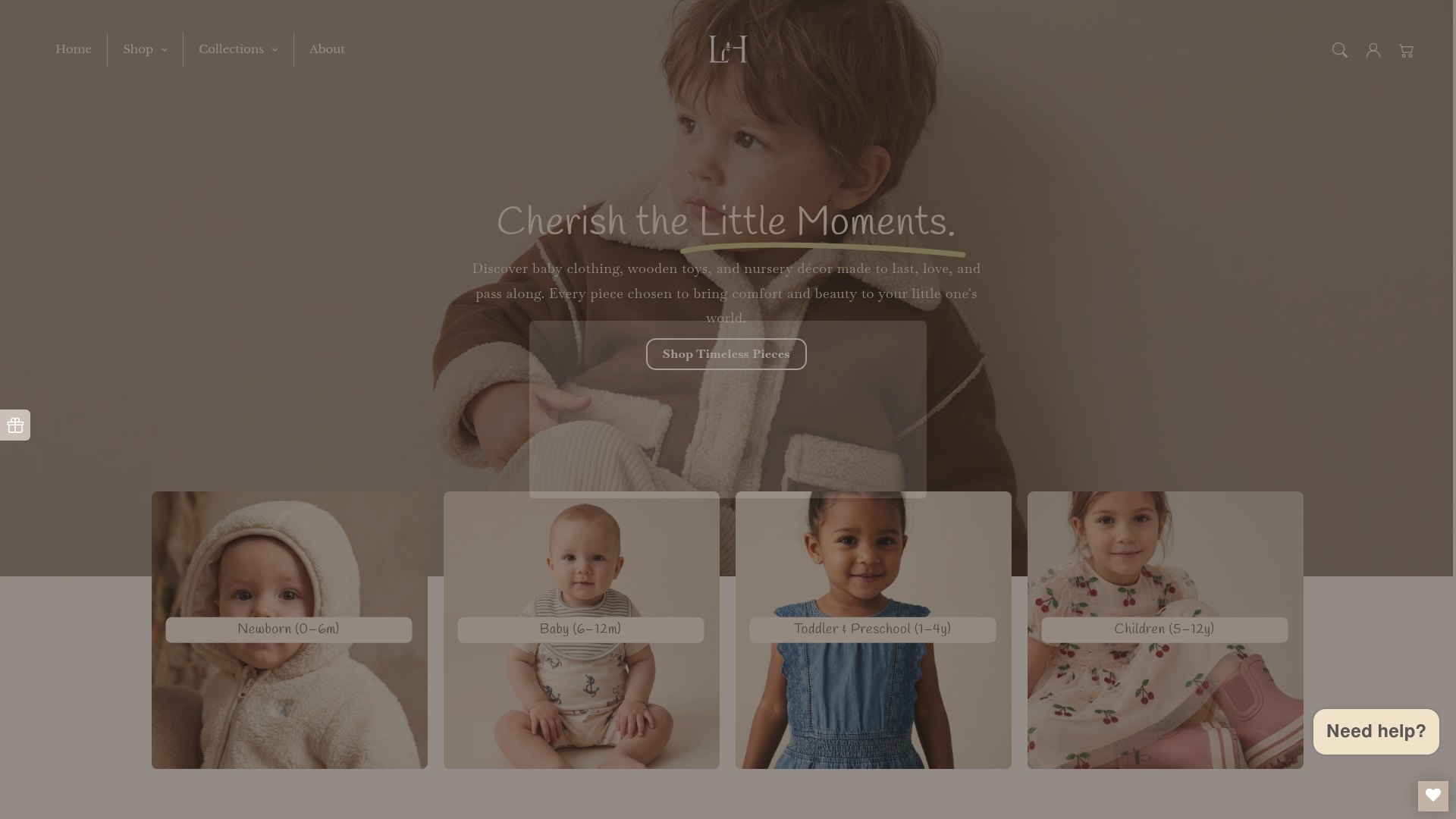
Bring your nursery ideas to life with nursery décor that supports learning and tranquility. Visit Little Hive today to explore our versatile range and find inspirational items that create a peaceful, stylish space your family will cherish for years. Ready to transform your nursery into a nurturing haven? Start your journey now with Little Hive.
Frequently Asked Questions
How can wooden wall art enhance my nursery’s aesthetic?
Wooden wall art can create a calming and engaging environment that promotes natural learning and exploration. Select pieces with clean lines and natural wood tones to support your child’s developmental journey.
What types of textiles should I choose for my nursery?
Opt for soft, natural textiles like organic cotton, wool, and muslin to provide comfort and sensory stimulation. Layer different textures to create a dynamic sensory landscape that evolves with your child’s needs.
What are effective storage solutions for a nursery?
Consider multi-purpose furniture, such as storage ottomans and floating wall shelves, which can declutter the space while remaining visually appealing. This helps maintain an organised environment that encourages your child’s independence and creativity.
How can I achieve gentle lighting in my nursery?
Use warm colour temperature bulbs and adjustable dimmer switches to create a soft, inviting atmosphere. Position lighting fixtures to provide ambient illumination and avoid harsh overhead lighting for a tranquil setting.
What should I look for when choosing decorative mobiles?
Choose mobiles that encourage visual tracking skills and provide gentle sensory engagement through soft colours and slow movements. Position them at eye level, rotating designs regularly to keep your baby’s interest alive.
How can handmade rugs contribute to my nursery’s environment?
Handmade rugs provide soft, safe play surfaces that support sensory and motor development. Ensure you select low pile heights for easy cleaning while maintaining a warm and inviting space for your child to explore.