

Neutral Baby Décor: Creating Calm, Timeless Spaces
Every parent faces that moment when traditional blue or pink just does not feel right for their new arrival. The search for nursery décor that is both timeless and adaptable has led many British families to embrace neutral baby décor, where calming tones and sustainable materials set the stage for lasting comfort. This approach moves beyond trends, offering practical ideas for creating a serene space that grows with your baby while prioritising quality and environmental responsibility.
Table of Contents
- Defining Neutral Baby Décor and Its Appeal
- Styles and Variations in Neutral Nursery Themes
- Essential Materials and Sustainable Choices
- Benefits for Baby Development and Wellbeing
- Common Mistakes to Avoid When Styling
Key Takeaways
| Point | Details |
|---|---|
| Neutral Décor’s Appeal | Neutral baby décor fosters versatile and timeless spaces that support individual personality over gender stereotypes. |
| Material Matters | Selecting sustainable, natural materials enhances both aesthetic appeal and environmental consciousness in nursery design. |
| Support Baby Development | A calming neutral environment promotes cognitive and emotional development by minimising sensory overwhelm. |
| Avoid Common Mistakes | Effective neutral nursery design requires balancing aesthetics with functionality to prevent clinical or cluttered spaces. |
Defining Neutral Baby Décor and Its Appeal
Neutral baby décor represents a thoughtful approach to nursery design that transcends traditional gender stereotypes, creating spaces that are both visually calming and functionally adaptable. Sophisticated nursery design focuses on generating environments that grow alongside a child, offering versatility and timeless aesthetic appeal.
The core philosophy behind neutral nursery design involves selecting colour palettes and design elements that create a serene, welcoming atmosphere. Soft earth tones, muted greys, warm whites, and gentle beiges form the foundation of these spaces, allowing parents to craft rooms that feel simultaneously sophisticated and nurturing. These neutral schemes provide remarkable flexibility, enabling easy updates and personalisation as a child develops without requiring complete room redesigns.
Parents increasingly appreciate neutral décor for its pragmatic and emotional benefits. By moving away from restrictive gender-coded colour schemes, these designs create inclusive spaces that celebrate individual personality rather than predetermined expectations. Natural materials like wooden furniture, organic cotton textiles, and textured soft furnishings add depth and warmth, transforming neutral spaces from potentially bland environments into rich, engaging nursery landscapes.
Top Tip: When selecting neutral décor, focus on varying textures and subtle tone variations to create visual interest without overwhelming the space.
Styles and Variations in Neutral Nursery Themes
Neutral nursery themes offer remarkable diversity, moving far beyond simple monochromatic designs. Gender-neutral nursery themes encompass a broad spectrum of creative approaches that celebrate individual expression while maintaining a sophisticated, calming aesthetic. From nature-inspired landscapes to whimsical animal motifs, these designs provide parents with flexible canvases for crafting unique spaces.
Classic neutral themes often draw inspiration from natural environments, incorporating elements like woodland creatures, botanical prints, and organic textures. Safari-themed nurseries, for instance, utilise earthy tones of sage green, warm browns, and soft creams to create immersive yet understated spaces. Mid-century modern influences have also emerged, featuring geometric patterns and subtle colour blocking that add visual interest without overwhelming the room’s sensory experience.
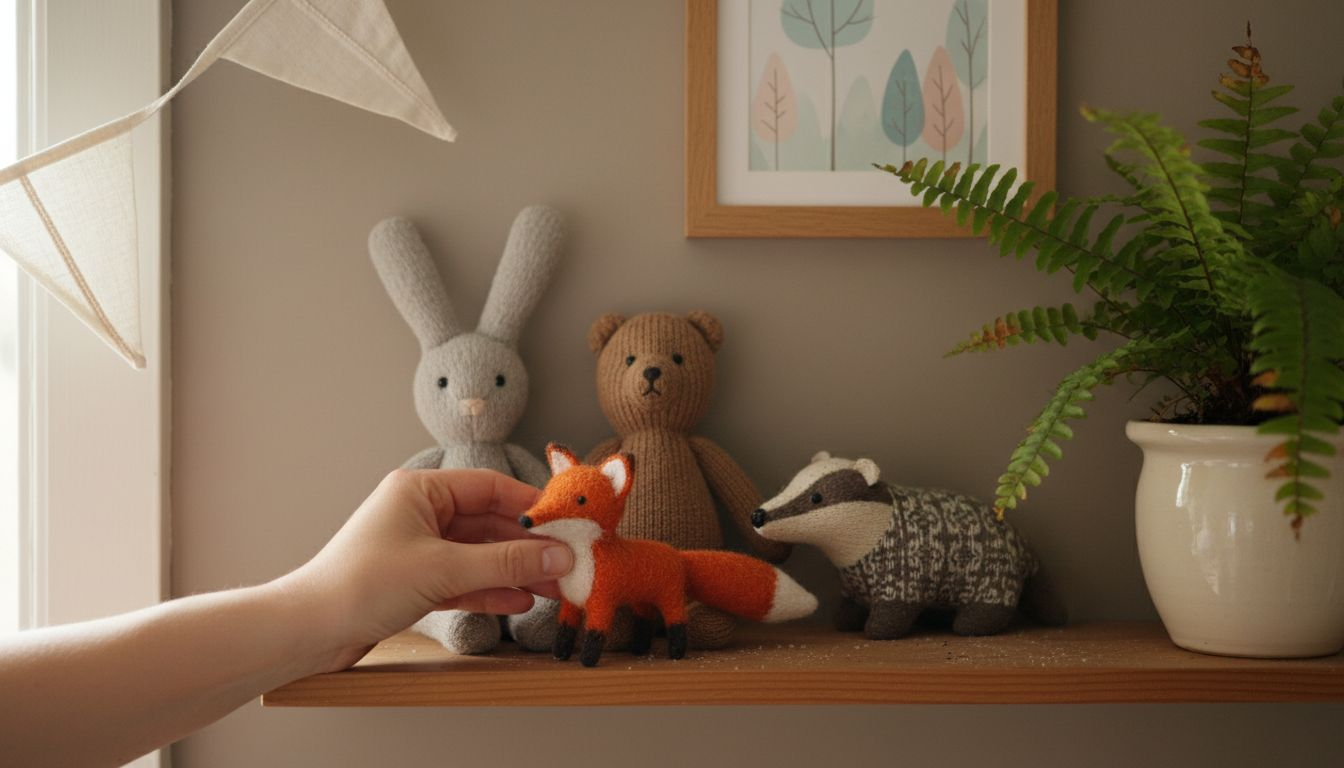
Designers are increasingly embracing more conceptual neutral themes that prioritise exploration and imagination. Nurseries might feature celestial motifs with soft grey and white palettes, mountain landscape murals in muted tones, or abstract representations of natural elements like clouds, waves, or trees. These designs intentionally create environments that can evolve with a child’s developing personality, avoiding restrictive gender conventions and promoting a sense of open-ended creativity.
Pro Tip: Select nursery themes with layered textures and adaptable colour palettes that can easily transition as your child grows, maximising both aesthetic appeal and long-term functionality.
Here’s how popular neutral nursery themes differ in style and mood:
| Theme Type | Key Colours | Visual Effect | Popular Motifs |
|---|---|---|---|
| Woodland | Sage green, taupe | Cosy, nature-inspired | Forest animals |
| Celestial | Grey, white, navy | Calm, dreamy | Stars, clouds |
| Safari | Olive, cream, tan | Adventurous, earthy | Jungle animals |
| Mid-century Modern | Warm white, walnut | Clean, geometric | Simple shapes |
Essential Materials and Sustainable Choices
Creating a neutral nursery requires thoughtful selection of materials that balance aesthetic appeal with environmental consciousness. Sustainable nursery design prioritises natural textures and eco-friendly components that contribute to both visual harmony and long-term environmental responsibility. Organic materials like responsibly sourced wood, natural fibres, and low-impact textiles form the cornerstone of mindful nursery development.
Natural materials offer multiple benefits beyond their ecological credentials. Wicker furniture, rattan accessories, and wooden elements introduce warmth and textural complexity to neutral spaces, creating environments that feel simultaneously sophisticated and nurturing. Organic cotton bedding, bamboo fibre textiles, and linen soft furnishings provide breathable, gentle surfaces that support infant comfort while minimising environmental impact. Parents can select materials with certifications like Global Organic Textile Standard (GOTS) to ensure genuine sustainability and ethical production practices.
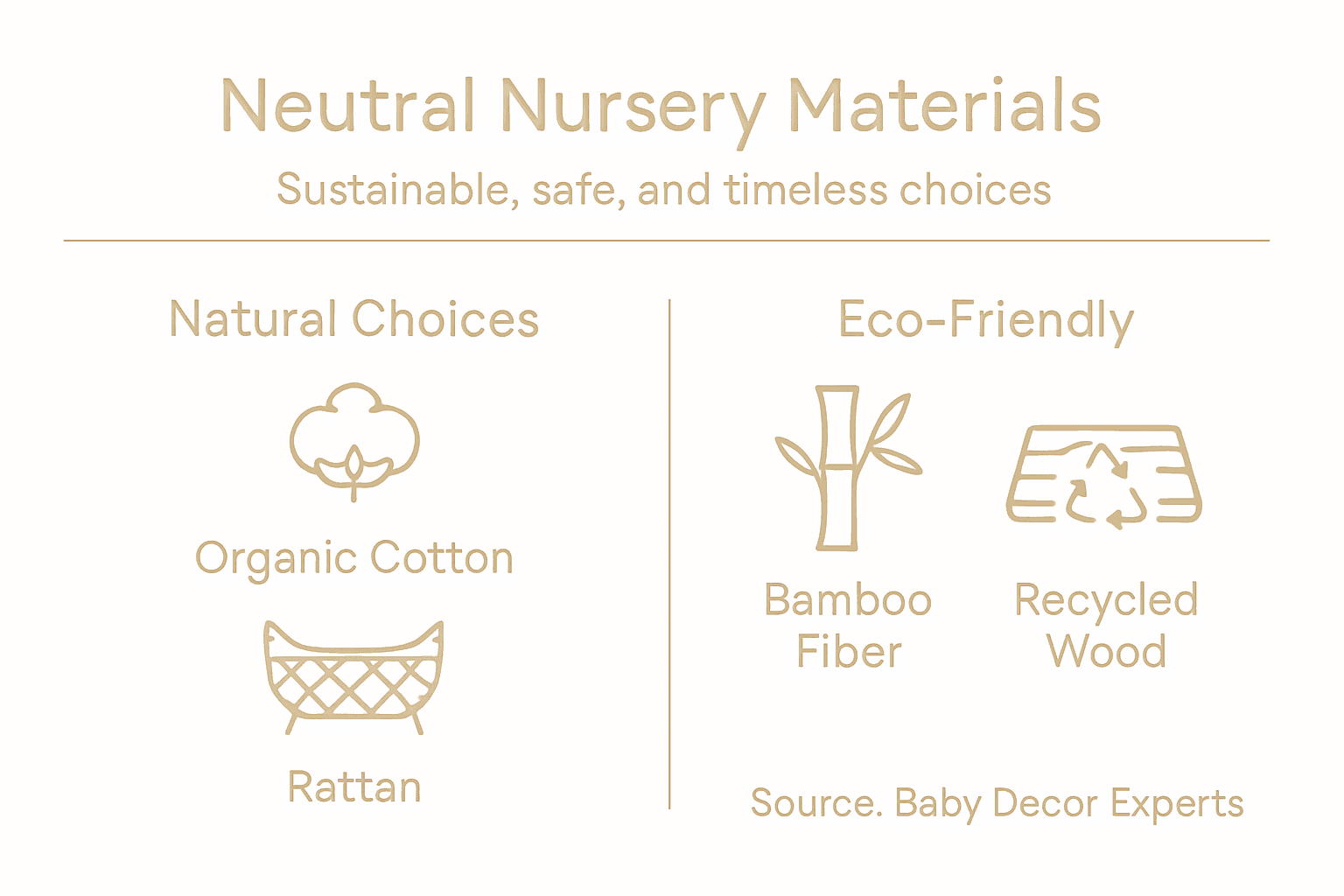
Chemical considerations play a crucial role in sustainable nursery design. Low-VOC paints, natural wood finishes, and hypoallergenic materials protect infant health while reducing environmental toxicity. Choosing furniture and decorative elements crafted from renewable resources such as bamboo, cork, and reclaimed timber demonstrates a commitment to responsible consumption. These material choices not only create healthier indoor environments but also establish aesthetic foundations that can gracefully evolve with a child’s changing needs.
Pro Tip: Invest in multi-functional, high-quality natural materials that can transition between nursery and bedroom stages, maximising both sustainability and long-term value.
Below is a reference table for selecting sustainable nursery materials:
| Material | Benefit | Environmental Impact |
|---|---|---|
| Organic Cotton | Breathable, gentle | Biodegradable, GOTS cert. |
| Bamboo Fibre | Hypoallergenic, soft | Fast-growing renewable |
| Rattan/Wicker | Adds texture, flexible | Low-impact production |
| Reclaimed Wood | Durable, unique grain | Reduces waste |
Benefits for Baby Development and Wellbeing
Neutral nursery environments play a critical role in supporting infant cognitive and emotional development by creating spaces that minimise sensory overwhelm. Neutral nursery design promotes holistic wellbeing through intentional colour selections and sensory experiences that nurture a baby’s emerging perceptual capabilities. Soft, muted tones and carefully curated textures provide a calm backdrop that allows natural developmental processes to unfold without unnecessary stimulation.
The psychological benefits of neutral nursery environments extend beyond visual aesthetics. By removing restrictive gender stereotypes, these spaces encourage open-ended exploration and innate curiosity. Babies experience environments that support their intrinsic drive to learn, discover, and interact with surroundings without preconceived limitations. Natural materials like wooden toys, organic textiles, and thoughtfully designed furniture create sensory-rich landscapes that stimulate cognitive development while maintaining a sense of tranquillity.
Research suggests that calm, consistent environments significantly impact infant emotional regulation and stress response. Neutral nurseries with predictable, soothing colour palettes and minimalist design principles help babies develop secure attachment patterns and emotional resilience. The absence of overly stimulating visual elements allows infants to process environmental information more effectively, supporting neurological development and promoting a sense of safety and comfort that is fundamental to healthy psychological growth.
Pro Tip: Introduce subtle textural variations and gentle sensory elements that invite exploration without overwhelming your baby’s developing perceptual systems.
Common Mistakes to Avoid When Styling
Neutral nursery design requires careful consideration to prevent common pitfalls that can compromise the room’s functionality and aesthetic appeal. Many parents inadvertently create spaces that feel either too clinical or overwhelmingly cluttered, losing the delicate balance essential to a successful neutral nursery. Understanding these potential missteps is crucial for crafting an environment that remains adaptable, calming, and supportive of infant development.
One significant error involves defaulting to overly minimalist or monochromatic colour schemes that feel sterile and uninviting. Neutral does not mean bland or colourless. Successful neutral nurseries incorporate subtle variations in texture, introduce gentle tonal variations, and layer different natural materials to create depth and visual interest. Avoiding the temptation to over-decorate while simultaneously preventing a stark, cold environment requires intentional, thoughtful design choices that prioritise both aesthetics and functionality.
Practical considerations are equally important when styling neutral nurseries. Parents frequently neglect essential storage solutions, leading to cluttered spaces that diminish the room’s calming potential. Overlooking the importance of adaptable furniture, hypoallergenic materials, and easy-to-clean surfaces can create long-term challenges. The most successful neutral nurseries anticipate future needs, incorporating flexible design elements that can evolve with the child’s changing requirements, thus preventing frequent and costly redesigns.
Pro Tip: Create a design mood board before purchasing any items to ensure cohesive colour palettes, complementary textures, and a balanced neutral aesthetic.
Create a Calm and Timeless Nursery with Little Hive
Designing a neutral baby nursery that embraces calm, sustainability, and versatility can feel overwhelming. The challenge often lies in balancing soothing colours and textures while choosing durable, eco-friendly materials that will grow with your child. At Little Hive, we understand these needs and offer a thoughtfully curated collection of nursery décor, wooden toys, and accessories designed to bring gentle elegance and long-lasting quality into your child’s space. Our selection aligns perfectly with the principles of neutral nursery design by focusing on natural textures, muted palettes, and heirloom-quality craftsmanship.
Explore our range today to find soft textiles, organic wooden toys, and timeless décor that support your baby’s wellbeing and development. Embrace sustainable choices without compromising style or functionality and transform your nursery into a calm, inviting haven. Visit Little Hive now to start creating your perfect neutral nursery environment that grows alongside your child.
Frequently Asked Questions
What is neutral baby décor?
Neutral baby décor focuses on creating calming, versatile nurseries that reject traditional gender colour stereotypes. It typically uses soft earth tones, muted greys, and warm whites to create a serene atmosphere that grows with the child.
How can neutral nursery themes benefit my child’s development?
Neutral nursery themes help minimise sensory overwhelm and promote holistic wellbeing. By using calming colour palettes and natural materials, these environments support a baby’s cognitive and emotional development, encouraging exploration and curiosity.
What materials are recommended for sustainable neutral nursery design?
Recommended materials for sustainable neutral nursery design include organic cotton, bamboo fibre, rattan, wicker, and reclaimed wood. These materials enhance both aesthetics and environmental responsibility, creating a healthier indoor environment for babies.
How can I prevent my neutral nursery from feeling bland or clinical?
To avoid a bland atmosphere, incorporate varying textures, gentle tonal variations, and layered natural materials. Thoughtful design choices should balance aesthetic appeal with functionality, ensuring the space remains inviting and engaging for both the child and parents.