

Step by Step Baby Wardrobe Guide for Lasting Style
Choosing newborn clothing often feels like balancing comfort, style, and practicality for your little one. British parents searching for sustainable wardrobe solutions know every item should bring both ease and timeless appeal. From layering tips for seasonal changes to picking gentle fabrics that suit rapid growth, this guide offers curated advice for building a high-quality baby clothing collection. Discover how small shifts in selection and organisation can create a wardrobe that looks good, feels good, and truly adapts to your baby’s changing needs.
Table of Contents
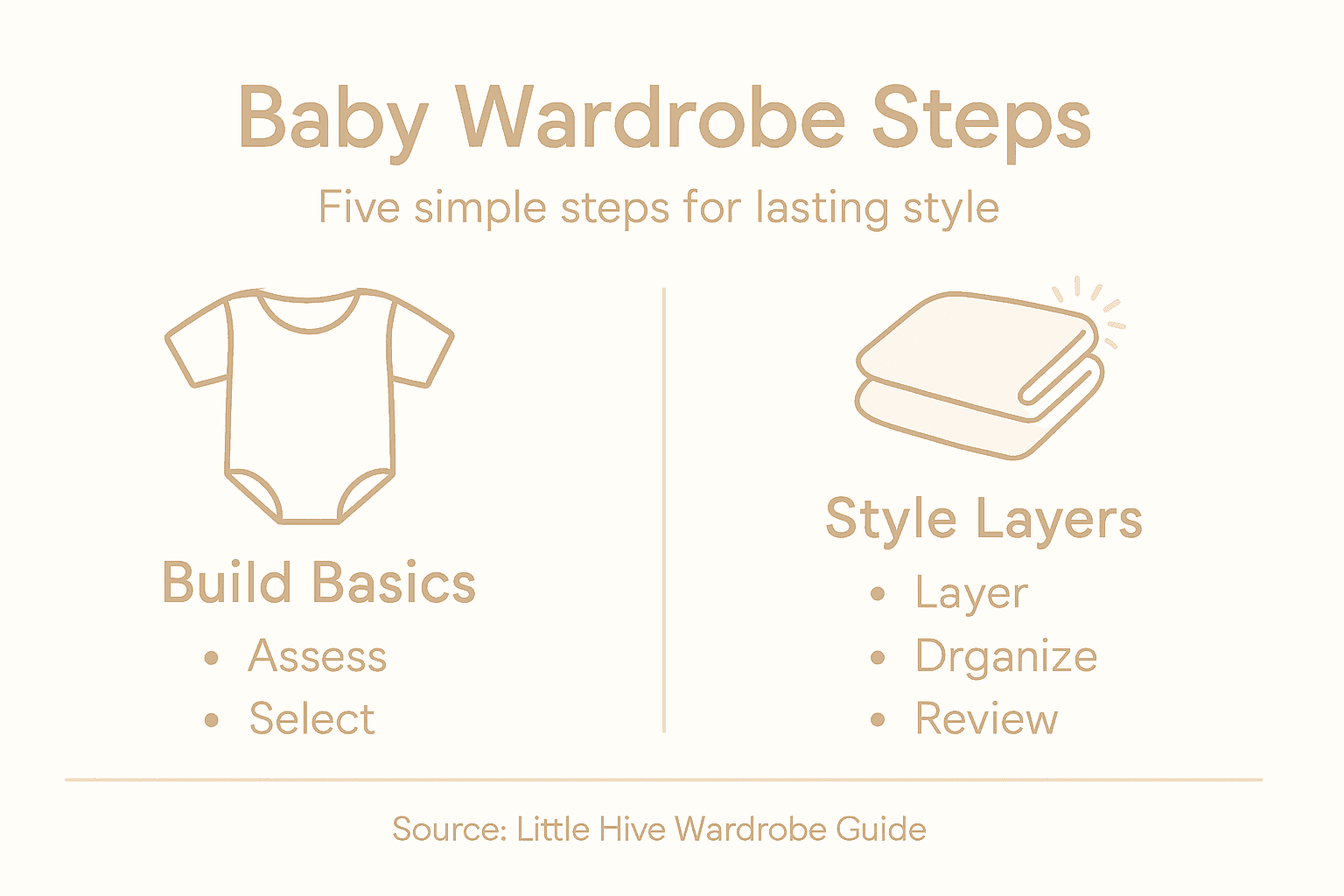
- Step 1: Assess Your Baby’s Clothing Needs
- Step 2: Select Quality Core Wardrobe Pieces
- Step 3: Layer With Seasonal and Special Items
- Step 4: Organise Wardrobe for Easy Daily Access
- Step 5: Review and Adjust for Growth and Changing Needs
Quick Summary
| Key Insight | Explanation |
|---|---|
| 1. Assess clothing needs based on growth | Regularly check sizes every 6-8 weeks to ensure clothes fit your baby’s rapidly changing body. |
| 2. Choose versatile wardrobe staples | Invest in high-quality, multipurpose pieces for comfort and functionality that can adapt as your baby grows. |
| 3. Implement effective layering techniques | Use breathable fabrics and layering to manage your baby’s comfort during fluctuating temperatures. |
| 4. Maintain an organised wardrobe | Organising clothes by size and season can simplify daily dressing routines and reduce stress. |
| 5. Review wardrobe regularly | Regular assessments help adapt the wardrobe to your baby’s changing needs, ensuring comfort and practicality. |
Step 1: Assess Your Baby’s Clothing Needs
Assessing your baby’s clothing needs is a critical first step in creating a functional and stylish wardrobe. By understanding your baby’s unique requirements, you can curate a collection that keeps them comfortable, protected, and looking adorable.
When evaluating clothing needs, consider factors like age, growth rate, season, and daily activities. Newborn clothing guidelines recommend prioritising comfort, ease of dressing, and adaptability. Here are key considerations:
- Size flexibility: Choose clothes with room for growth
- Fabric softness: Select breathable, gentle materials against delicate skin
- Practicality: Opt for garments with easy fastenings like snap buttons
- Layering potential: Invest in pieces that can be mixed and matched
Understanding your baby’s individual needs is paramount. Responsive parenting principles suggest paying close attention to how your baby reacts to different clothing types and adjusting accordingly.
Babies grow rapidly, so purchasing clothing that accommodates quick physical changes is essential for both comfort and cost-effectiveness.
Top tip: Keep a record of clothing sizes and growth milestones to anticipate future wardrobe needs efficiently.
Here’s a quick guide to choosing clothing based on your baby’s environment and activities:
| Situation | Recommended Clothing | Key Reason |
|---|---|---|
| Indoor Play | Soft bodysuit, leggings | Comfort and flexibility |
| Outdoor Walks | Layered outfit, light hat | Easy temperature control |
| Sleep Time | Sleepsuit, light swaddle | Safety and breathability |
| Family Outings | Neat romper or dress | Style and easy dressing |
Step 2: Select Quality Core Wardrobe Pieces
Building a thoughtful baby wardrobe requires strategic selection of core pieces that balance practicality, comfort, and style. Your goal is to create a versatile collection that adapts to your baby’s rapid growth and changing needs.
Essential newborn clothing recommendations emphasise prioritising high-quality, multipurpose garments that support your baby’s comfort and development. Consider these foundational wardrobe elements:
- Bodysuits and Onesies: Versatile base layers for everyday wear
- Sleepers and Pyjamas: Comfortable nightwear with easy fastenings
- Soft Leggings and Trousers: Flexible bottoms that allow movement
- Lightweight Cardigans and Sweaters: Layering pieces for temperature regulation
- Simple Dresses or Rompers: Practical all-in-one outfits for girls
When selecting pieces, prioritise newborn clothing essentials that offer maximum functionality. Look for features like:
- Soft, breathable natural fabrics
- Expandable necklines for easy dressing
- Durable materials that withstand frequent washing
- Adjustable fastenings to accommodate growth
Quality trumps quantity. Invest in fewer, well-made pieces that mix and match seamlessly.
Practical advice: Purchase clothing slightly larger to extend wear time and accommodate your baby’s rapid growth phase.
Step 3: Layer with Seasonal and Special Items
Mastering the art of layering is crucial for keeping your baby comfortable across changing weather conditions and environments. Strategic layering ensures your little one remains warm, protected, and adaptable to temperature fluctuations.
Baby sleep clothing strategies emphasise the importance of breathable fabrics and intelligent layering techniques. Consider these seasonal layering principles:
- Base Layer: Lightweight, moisture-wicking bodysuits
- Insulating Layer: Soft cotton tops and cardigans
- Protective Outer Layer: Windproof jackets or padded coats
- Seasonal Accessories: Mittens, hats, and soft booties
Seasonal clothing recommendations suggest adapting your layering approach based on temperature and activity level. Your layering strategy should allow for easy adjustment:
- Start with thin, breathable base layers
- Add insulating mid-layers as needed
- Choose waterproof or windproof outer layers
- Remove or add layers to maintain comfortable temperature
Effective layering is about flexibility. Aim for comfort, not bulk.
Practical advice: Invest in versatile, lightweight layers that can be easily added or removed to maintain your baby’s optimal body temperature.
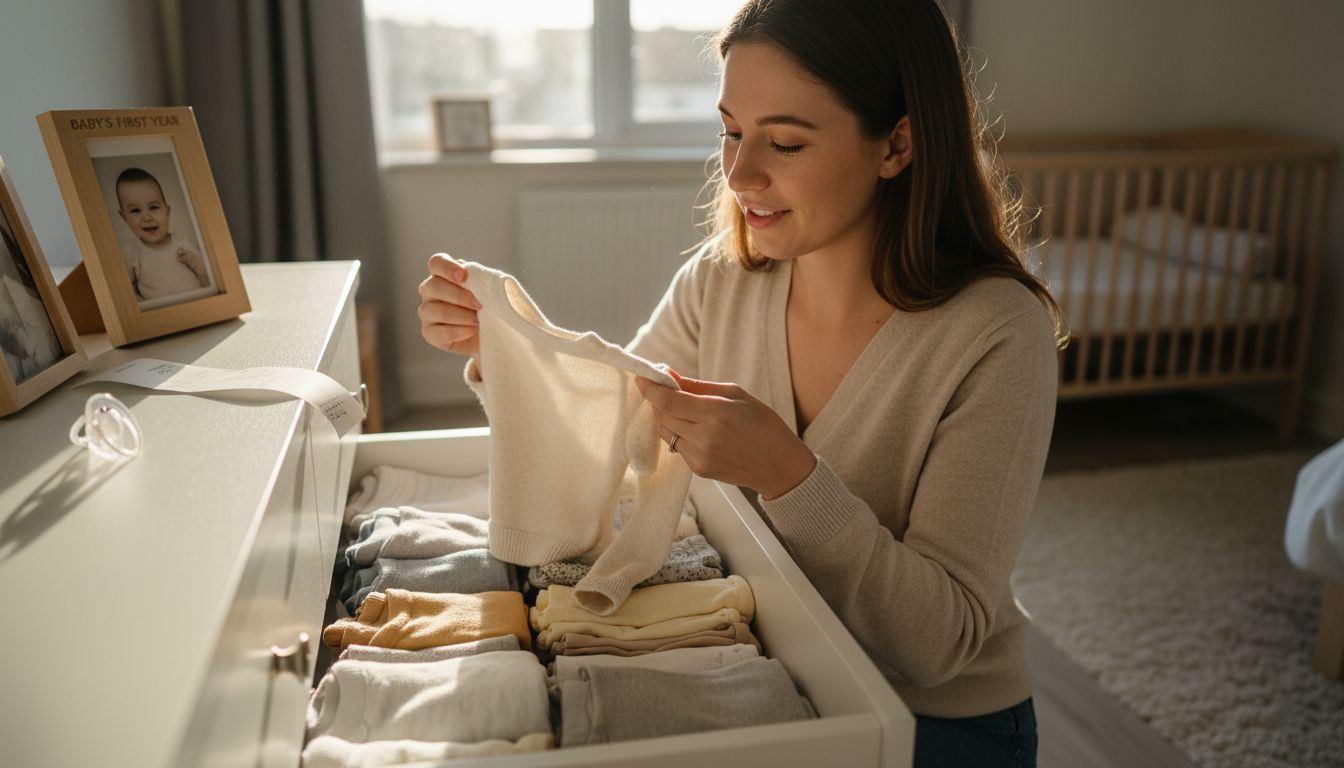
Step 4: Organise Wardrobe for Easy Daily Access
Transforming your baby’s wardrobe into an efficient, accessible space can dramatically simplify your daily routine. Thoughtful organisation ensures you can quickly locate and select clothing without unnecessary stress or searching.
Baby clothing folding techniques provide strategic approaches to maximise wardrobe space and accessibility. Consider implementing these organisational strategies:
- Categorise by Size and Season: Group clothes by current and upcoming sizes
- Colour Code: Arrange items by colour for visual ease
- Roll or File Fold: Use compact folding methods to maximise drawer space
- Separate Daily Wear: Create a dedicated section for quick-access items
Practical baby item organisation emphasises creating systems that support smooth daily routines. Your wardrobe setup should prioritise:
- Accessibility of frequently used items
- Clear visibility of clothing options
- Easy rotation of garments
- Simple maintenance of organisation
Effective wardrobe organisation is about creating calm, not complexity.
Practical advice: Invest in adjustable drawer dividers and transparent storage boxes to maintain a systematic and adaptable baby clothing system.
Step 5: Review and Adjust for Growth and Changing Needs
A baby’s wardrobe is a dynamic collection that requires regular assessment and adaptation. Understanding your infant’s developmental journey helps you maintain a functional and comfortable clothing system that evolves with their changing needs.
Infant growth monitoring techniques recommend tracking physical changes to anticipate clothing requirements. Consider these strategic review approaches:
- Regular Size Assessments: Check clothing fit every 6-8 weeks
- Development Milestones: Link clothing updates with physical growth stages
- Seasonal Transitions: Rotate wardrobe for weather and activity changes
- Comfort Evaluation: Monitor how clothes impact your baby’s movement
Paediatric wardrobe management emphasises understanding developmental needs. Your review process should include:
- Measure body dimensions monthly
- Remove ill-fitting or restrictive clothing
- Assess fabric comfort and flexibility
- Plan ahead for upcoming size transitions
Adaptability is key. A thoughtful wardrobe grows alongside your baby.
Practical advice: Create a simple tracking system to document your baby’s measurements and clothing sizes, helping you anticipate and plan wardrobe updates efficiently.
This summary shows how to keep your baby’s wardrobe efficient over time:
| Review Step | Frequency | Main Benefit |
|---|---|---|
| Size Assessments | Every 6-8 weeks | Ensure proper fit and comfort |
| Seasonal Rotations | Quarterly | Adapt to weather changes |
| Growth Milestone Checks | Monthly | Plan for new clothing needs |
| Comfort Evaluations | Ongoing | Maintain movement flexibility |
Build a Beautiful Baby Wardrobe with Thoughtful Style and Comfort
Creating a lasting baby wardrobe that balances growth, comfort and timeless style can feel overwhelming. This guide points out key challenges such as selecting versatile clothing that grows with your baby and mastering layering for every season. You want pieces that are not only soft and practical but also durable and elegant enough to become cherished keepsakes.
At Little Hive, we understand these needs deeply. Our collection of baby clothing and accessories is carefully curated to offer high-quality, breathable fabrics, easy-to-wear designs, and enduring aesthetics that make dressing your little one simpler and more enjoyable. Whether you are looking for classic bodysuits, layering essentials, or thoughtful nursery décor, discover beautifully crafted options designed to grow alongside your baby.
Explore our selection today and take the next step in creating a calm, stylish wardrobe that supports your baby’s comfort and your peace of mind. Visit Little Hive now and experience the difference of heirloom-quality children’s essentials tailored for every stage of your child’s journey.
Frequently Asked Questions
How do I assess my baby’s clothing needs?
Assess your baby’s clothing needs by considering their age, growth rate, and daily activities. Evaluate factors like size flexibility, fabric softness, and practicality to create a comfortable and stylish wardrobe. Aim to select garments that can adapt as your baby grows, checking their fit every few weeks.
What are the essential pieces for a baby’s wardrobe?
Key wardrobe pieces include bodysuits, sleepers, soft trousers, and lightweight cardigans. Focus on high-quality, multipurpose essentials that provide comfort and are easy to mix and match. For instance, invest in about 4–6 versatile bodysuits that can be layered for added warmth or used alone during warmer months.
How can I layer my baby’s clothing for different seasons?
Layering involves wearing a breathable base layer, an insulating mid-layer, and a protective outer layer. Adjust your baby’s clothing based on the weather; for colder days, begin with a bodysuit, add a cardigan, and finish with a warm coat. Check the weather regularly to ensure your baby stays comfortable and protected.
What methods can I use to organise my baby’s wardrobe?
To effectively organise your baby’s wardrobe, categorise clothes by size and season while employing colour coding for easy visual access. Use compact folding techniques, such as rolling or filing, to maximise space and maintain visibility. Aim to dedicate a specific section for daily wear, making it simpler to find outfits in a hurry.
How often should I review and adjust my baby’s clothing?
Regularly assess your baby’s wardrobe every 6–8 weeks to monitor size changes and ensure comfort. Review growth milestones alongside seasonal transitions to adjust the clothing selection. Create a simple tracking system for measurements to help plan timely updates and maintain an adaptable wardrobe as your baby grows.