

Eco-Friendly Baby Accessories: Sustainable Choices for Families
Finding truly sustainable baby accessories can feel confusing for British parents who want the best for their children and the environment. Quality matters just as much as eco-friendly materials when you are designing a calm nursery space. This guide highlights how certified organic materials and responsible craftsmanship can bring style, safety, and peace of mind to your family without compromising on your green values.
Table of Contents
- Eco-friendly Baby Accessories Explained
- Types And Materials Of Sustainable Options
- Safety Standards And UK Regulations
- The Impact On Family Health And Environment
- Balancing Style, Quality, And Eco-consciousness
Key Takeaways
| Point | Details |
|---|---|
| Eco-friendly products have lasting benefits | Choosing sustainable baby accessories supports both child health and environmental preservation. |
| Material choice is crucial | Opt for products made from certified organic materials and recycled components to ensure safety and sustainability. |
| Safety standards are essential | Be aware of UK regulations to guarantee the safety and quality of baby accessories. |
| Style and sustainability can coexist | Modern eco-friendly baby accessories blend aesthetic appeal with environmental responsibility, meeting the demands of conscious consumers. |
Eco-friendly baby accessories explained
Eco-friendly baby accessories are specialised products designed to minimise environmental impact while providing safe, high-quality items for infant care. These thoughtfully crafted products go beyond traditional baby gear by integrating sustainable practices from material selection to manufacturing processes.
When exploring sustainable baby gear essentials, parents can discover a range of carefully designed items that prioritise both child safety and planetary wellbeing. These accessories typically share several distinctive characteristics:
- Made from certified organic materials
- Produced using ethical manufacturing processes
- Designed for long-term durability
- Minimise toxic chemical exposure
- Reduce overall environmental waste
The core philosophy behind eco-friendly baby accessories centres on creating products that support infant development while demonstrating environmental responsibility. From organic cotton muslin wraps to biodegradable feeding utensils, these items represent a conscientious approach to early childhood consumption.
Sustainable baby accessories are not just products - they’re a commitment to future generations.
Key Material Considerations include selecting items crafted from:
- GOTS-certified organic cotton
- FSC-certified sustainable wood
- Recycled and recyclable plastics
- Natural rubber and bamboo fibres
- Non-toxic, water-based dyes
Pro tip: When selecting eco-friendly baby accessories, always verify independent sustainability certifications to ensure genuine environmental credentials.
Types and materials of sustainable options
Sustainable baby accessories represent a thoughtful approach to infant care that prioritises environmental responsibility and child safety. Parents seeking eco-conscious options can explore a diverse range of materials and product types that minimise ecological impact while providing high-quality infant essentials.
When choosing sustainable baby gear, families should consider several key material characteristics that define truly environmentally friendly products. These materials go beyond standard manufacturing, focusing on:
- Non-toxic composition
- Organic and natural fiber sources
- Recyclable and biodegradable components
- Minimal environmental processing
- Low carbon footprint production methods
The most innovative sustainable baby accessories incorporate advanced materials that demonstrate remarkable environmental consciousness. Recycled ocean plastics and natural fibres are becoming increasingly prevalent, allowing manufacturers to create durable products that support circular economy principles.
Sustainable materials are not just a trend - they represent a commitment to future generations’ environmental wellbeing.
Key sustainable material categories include:
Here’s how popular sustainable materials for baby accessories compare across key qualities:
| Material Type | Durability | Environmental Benefit | Common Uses |
|---|---|---|---|
| Organic Cotton | Highly durable | Reduces chemical impact | Clothing, blankets |
| Bamboo Fabrics | Soft, resilient | Fast growth, low pesticide | Swaddles, towels |
| Recycled Polyester | Tough, flexible | Diverts waste from oceans | Outerwear, toys |
| Natural Rubber | Flexible, strong | Biodegradable resource | Teething rings, bottle tops |
| FSC Wood | Long-lasting | Supports responsible forestry | Toys, utensils |
- Organic Cotton: GOTS-certified, pesticide-free cultivation
- Bamboo Fabrics: Rapidly renewable, naturally antimicrobial
- Recycled Polyester: Derived from plastic waste
- Natural Rubber: Biodegradable, sustainably harvested
- FSC-certified Wood: Responsibly sourced timber products
Pro tip: Always verify independent sustainability certifications when selecting baby accessories to ensure genuine environmental credentials and material authenticity.
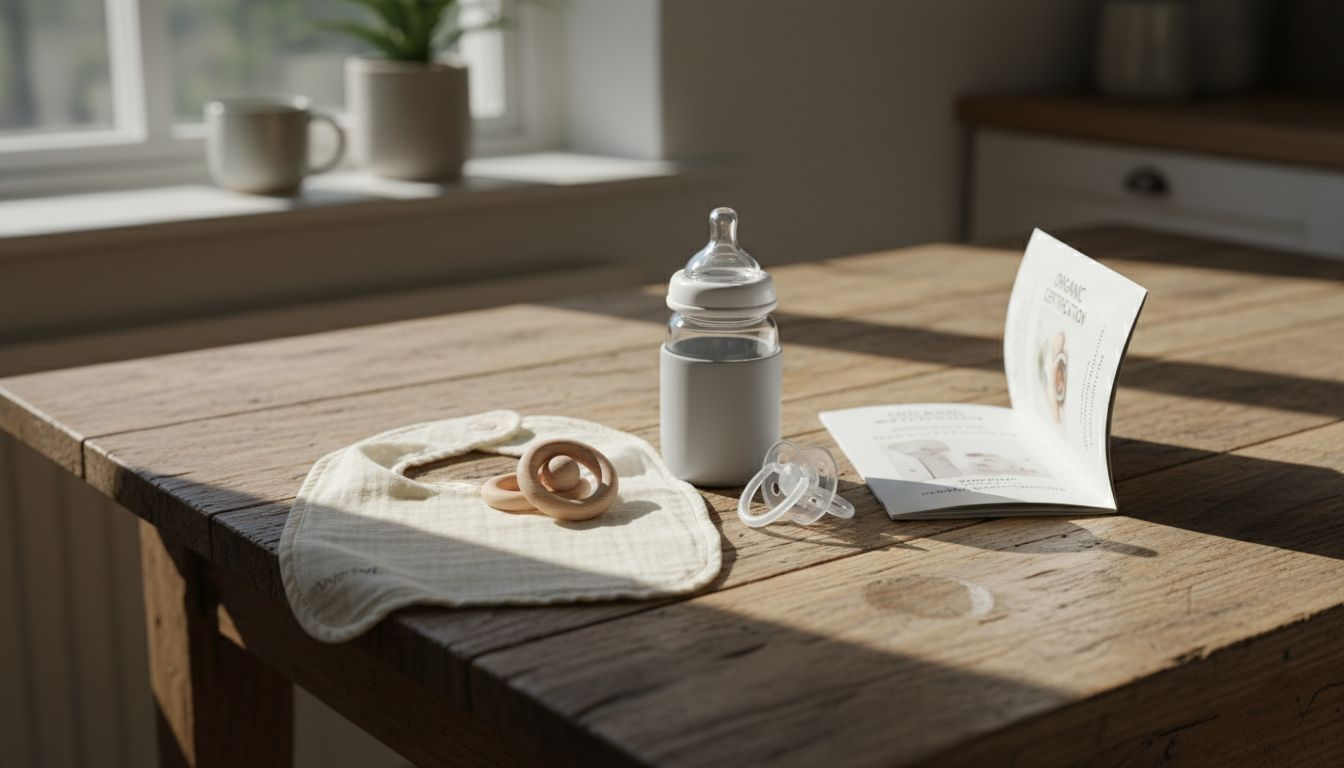
Safety standards and UK regulations
UK regulations play a critical role in ensuring the safety and quality of baby accessories, providing parents with essential protection and confidence when selecting products for their children. Understanding these comprehensive safety standards is crucial for making informed purchasing decisions.
Children’s product regulations in the United Kingdom are stringently designed to protect infant health and wellbeing. The key legislative frameworks governing baby accessories include:
- General Product Safety Regulations 2005
- Toys (Safety) Regulations 2011
- Consumer Protection Act
- British Standards Institution (BSI) guidelines
- European Union Safety Standards (retained post-Brexit)
These regulations mandate rigorous testing across multiple safety dimensions, including mechanical integrity, chemical composition, and potential hazards. Manufacturers must demonstrate compliance through comprehensive testing and appropriate labelling, ensuring every product meets strict safety criteria.
Safety standards are not bureaucratic hurdles - they represent a fundamental commitment to child protection.
Key safety assessment categories typically include:
- Mechanical safety
- Chemical composition testing
- Flammability standards
- Choking hazard prevention
- Material toxicity screening
Additionally, products must carry appropriate warning labels and instructions, helping parents understand potential risks and proper usage guidelines.
Pro tip: Always check for official safety certification marks like BSI Kitemark or CE symbol when purchasing baby accessories to ensure regulatory compliance.
The impact on family health and environment
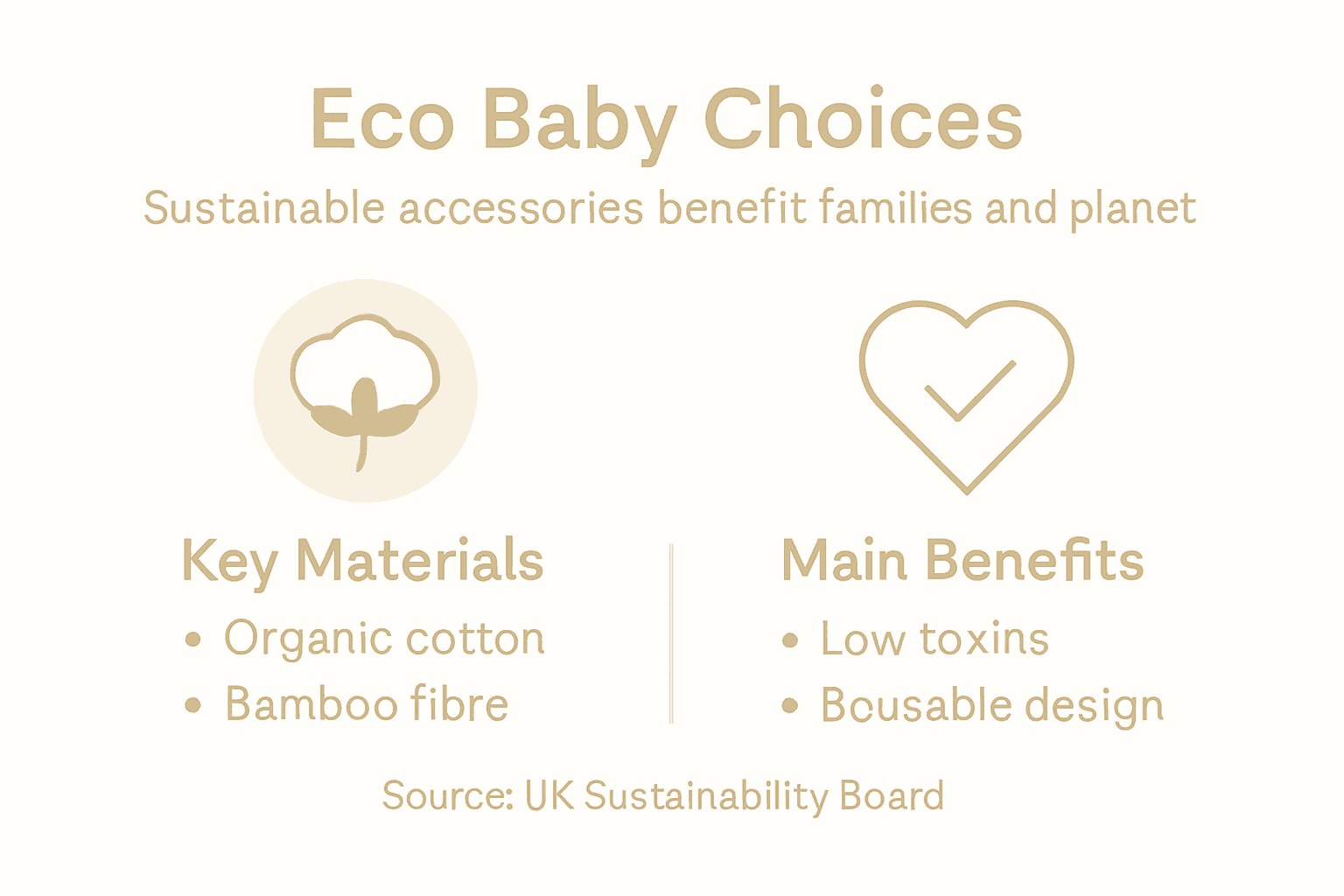
Choosing eco-friendly baby accessories represents a holistic approach to protecting both family health and our planet’s delicate ecosystem. These conscious choices extend far beyond simple purchasing decisions, creating meaningful impacts across multiple dimensions of environmental and personal wellbeing.
Eco-friendly baby products dramatically reduce infants’ exposure to harmful chemicals commonly found in conventional items. The health benefits are substantial, including minimised contact with potentially toxic substances like:
- BPA (Bisphenol A)
- Phthalates
- Volatile organic compounds (VOCs)
- Synthetic flame retardants
- Pesticide residues
Sustainable manufacturing practices contribute significantly to environmental protection by reducing resource consumption and minimising pollution. These approaches support a circular economy model that prioritises long-term planetary health over short-term convenience.
Sustainable choices are investments in both family health and environmental preservation.
The broader environmental implications of eco-conscious baby accessories include:
This table highlights the broader benefits of choosing eco-friendly baby accessories for families and the planet:
| Benefit Category | Impact on Families | Environmental Contribution |
|---|---|---|
| Reduced Chemicals | Lower risk of exposure | Less pollution in production |
| Durability | Cost savings over time | Cuts landfill waste |
| Ethical Manufacturing | Peace of mind for parents | Supports fair labour |
| Multi-functionality | Adaptable for growth stages | Decreases consumption rates |
- Reduced carbon emissions
- Lower waste production
- Conservation of natural resources
- Support for ethical manufacturing
- Promotion of regenerative production methods
Pro tip: Select multi-functional, durable eco-friendly accessories that can be reused across multiple stages of your child’s development to maximise both economic and environmental benefits.
Balancing style, quality, and eco-consciousness
Sustainable baby accessories represent a sophisticated intersection of aesthetic appeal, superior craftsmanship, and environmental responsibility. Modern parents increasingly seek products that do not compromise on design while maintaining ecological integrity.
Eco-chic fashion design demonstrates that style and sustainability are not mutually exclusive. Contemporary designers are pioneering innovative approaches that integrate environmental consciousness into beautiful, functional baby products.
Key characteristics of stylish, sustainable baby accessories include:
- Minimalist, timeless design aesthetics
- High-quality, durable materials
- Neutral colour palettes
- Versatile, multi-functional features
- Elegant, understated craftsmanship
The most successful eco-friendly baby accessories achieve a delicate balance by incorporating:
- Ethically sourced organic materials
- Sophisticated design principles
- Long-lasting construction techniques
- Transparent manufacturing processes
- Aesthetic versatility across different settings
True sustainability transcends environmental considerations - it represents a holistic commitment to quality and design excellence.
Manufacturers are increasingly recognising that conscious consumers demand products which reflect their values without sacrificing visual sophistication or functional performance.
Pro tip: Invest in neutral-toned, well-crafted accessories that can seamlessly transition between different stages of your child’s early development, maximising both aesthetic appeal and sustainable value.
Discover Timeless Eco-Friendly Baby Essentials for Your Family
Choosing truly sustainable baby accessories can feel overwhelming as you seek products that combine safety, style and genuine environmental responsibility. Parents want to protect their little ones from harmful chemicals while making choices that respect the planet’s future. At Little Hive, we understand these concerns deeply and offer a carefully curated collection that reflects the core principles highlighted in the article such as organic materials, ethical manufacturing, durability and elegant design.
Explore our timeless selection of baby clothing, wooden toys and nursery décor crafted with thoughtful sourcing and sustainability in mind. Every piece is designed to support a calm and gentle children’s environment without compromising style or quality. Visit Little Hive today to discover versatile eco-conscious baby accessories that nurture your child’s growth and align with your family’s values. Take the next step towards safer, more sustainable parenting by shopping our collection now at https://littlehive.co.uk.
Frequently Asked Questions
What are eco-friendly baby accessories?
Eco-friendly baby accessories are specially designed products that minimise environmental impact while ensuring the safety and quality of items used for infant care. They utilise sustainable materials and ethical manufacturing practices.
What materials are commonly used in sustainable baby accessories?
Common materials for eco-friendly baby accessories include GOTS-certified organic cotton, FSC-certified sustainable wood, recycled plastics, natural rubber, bamboo fibres, and non-toxic dyes, all aimed at reducing the overall environmental footprint.
How do eco-friendly baby accessories benefit my child’s health?
Eco-friendly baby accessories help minimise your child’s exposure to harmful chemicals commonly found in conventional products, such as BPA, phthalates, and synthetic flame retardants, contributing to a healthier environment for your infant.
What should I look for when choosing sustainable baby gear?
When selecting sustainable baby gear, look for independent sustainability certifications, non-toxic compositions, organic and natural fibre sources, recyclable and biodegradable components, and minimal environmental processing to ensure genuine eco-friendliness.