

Why Organic Baby Clothing Matters for Modern Families
Every parent wants peace of mind knowing their child’s sensitive skin is protected from hidden chemicals. With so many options in baby shops around the United Kingdom, choosing clothing made from organic fabrics grown without synthetic pesticides offers more than gentle comfort for little ones. This guide explores what makes organic baby clothes truly different and how those choices support healthy skin, stronger garments, and a better future for the environment.
Table of Contents
- What Makes Baby Clothing ‘Organic’?
- How Organic Clothing Protects Delicate Skin
- Sustainability And The Environment Explained
- Comparing Organic With Conventional Fabrics
- Durability, Costs, And What To Prioritise
Key Takeaways
| Point | Details |
|---|---|
| Organic Fabrics | Organic baby clothing is made from materials grown without synthetic pesticides, emphasising skin safety and environmental sustainability. |
| Health Benefits | These textiles offer hypoallergenic and breathable qualities that protect delicate infant skin from irritations and potential harmful chemicals. |
| Environmental Impact | Choosing organic clothing contributes to sustainable textile production, reducing water usage and promoting healthier ecosystems. |
| Durability and Value | Although organic baby clothing may have a higher initial cost, it is more durable and represents long-term savings by reducing the need for frequent replacements. |
What Makes Baby Clothing ‘Organic’?
Organic baby clothing represents a thoughtful approach to protecting your child’s sensitive skin and supporting environmentally responsible textile production. Unlike conventional clothing, organic fabrics are grown without synthetic pesticides and represent a holistic commitment to natural manufacturing processes.
At its core, organic baby clothing involves materials cultivated through sustainable agricultural practices that prioritise soil health, biodiversity, and ecological balance. Organic cotton remains the most prevalent organic fabric, grown using traditional farming methods that eschew chemical interventions. These fabrics undergo rigorous certification processes by international standards organisations like the Global Organic Textile Standard (GOTS), which ensures every stage of production meets stringent environmental and social criteria.
The distinguishing characteristics of organic baby clothing extend beyond agricultural practices. These textiles are processed without harmful chemical treatments, synthetic dyes, or toxic finishing agents. Organic clothing manufacturers focus on creating garments that are hypoallergenic, breathable, and gentle on a baby’s delicate skin. Fabrics like organic bamboo, hemp, wool, and linen offer alternative organic options, each bringing unique properties that support infant comfort and environmental sustainability.
This summary highlights major organic baby clothing materials and their unique benefits:
| Fabric Type | Natural Properties | Comfort for Infants |
|---|---|---|
| Organic Cotton | Breathable, soft fibres | Minimises irritation |
| Bamboo | Anti-bacterial, wicking | Keeps skin dry, odour control |
| Hemp | Extremely resilient | Retains shape, eco-friendly |
| Linen | Highly absorbent, cooling | Ideal for warm climates |
| Wool | Thermal regulation | Warmth without added bulk |
Expert Tip: When shopping for organic baby clothing, always look for recognised certification labels like GOTS or OEKO-TEX to guarantee genuine organic standards and chemical-free production.
How Organic Clothing Protects Delicate Skin
Babies possess extraordinarily sensitive skin that requires exceptional care and protection, making the choice of clothing crucial for their health and comfort. Organic textiles interact differently with infant skin, creating a protective barrier that supports natural skin function and prevents potential irritations.
The unique composition of organic fabrics offers significant advantages for delicate infant skin. Breathable natural fibres like organic cotton, bamboo, and hemp allow optimal air circulation, reducing moisture buildup and minimising the risk of bacterial growth. These materials are processed without harsh chemicals, ensuring that babies’ thin, absorbent skin remains free from potentially harmful synthetic treatments. By avoiding toxic dyes and chemical finishes, organic clothing helps maintain the skin’s natural microbiome and prevents potential allergic reactions.
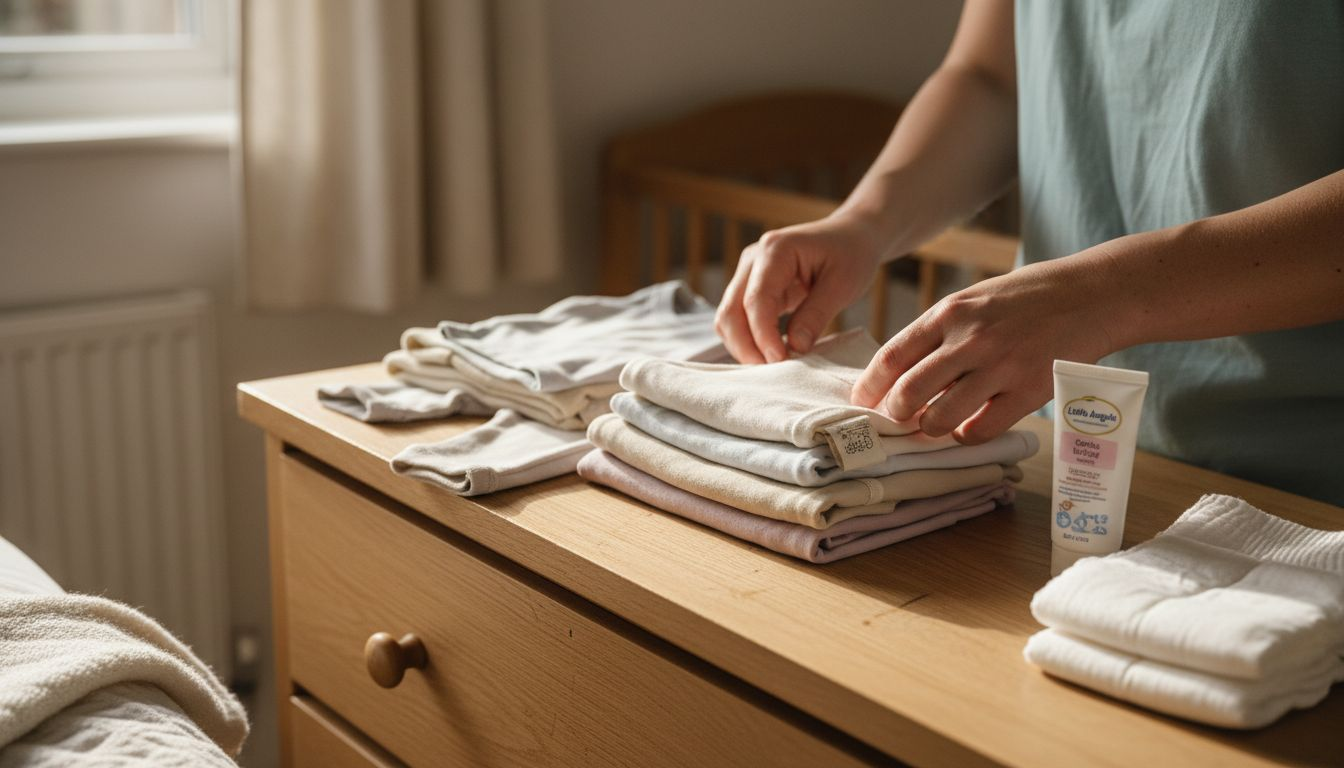
Understanding skin sensitivity is key to appreciating organic clothing’s benefits. Babies’ epidermis is significantly more permeable than adult skin, making them more susceptible to absorbing chemicals and experiencing irritation. Organic textiles support skin’s natural balance by providing a gentle, non-reactive environment that promotes healthy skin development. This approach goes beyond mere clothing selection—it represents a holistic commitment to infant wellbeing, protecting their most vulnerable organ from unnecessary chemical exposure.
Pro Tip: When selecting organic baby clothing, prioritise items with transparent certification and soft, tightly woven fabrics that provide an additional barrier against environmental irritants.
Sustainability and the Environment Explained
The fashion industry represents a significant environmental challenge, with baby clothing production playing a critical role in ecological impact. Textile manufacturing contributes substantially to global environmental strain, making conscious consumer choices increasingly important for planetary health.
Organic baby clothing emerges as a powerful solution to traditional textile manufacturing’s environmental problems. Sustainable production practices involve cultivating natural fibres without synthetic pesticides, dramatically reducing water consumption and chemical pollution. These environmentally responsible methods protect soil biodiversity, support agricultural ecosystems, and minimise the carbon footprint associated with textile production. By choosing organic fabrics, parents actively participate in a broader movement towards more ethical and environmentally conscious manufacturing.
Sustainability standards are transforming textile production, with consumer demand driving significant industry changes. Ecolabelling and transparent manufacturing processes now provide consumers with detailed insights into clothing’s environmental journey. This shift encourages textile manufacturers to adopt more circular fashion models, considering the entire lifecycle of garments from raw material cultivation to eventual disposal. By prioritising organic baby clothing, families contribute to a more sustainable future, supporting production methods that respect both environmental constraints and human health.
Pro Tip: Research clothing brands’ sustainability certifications and look for transparent supply chain information to make genuinely eco-conscious purchasing decisions.
Comparing Organic with Conventional Fabrics
The choice between organic and conventional baby clothing represents more than a fashion decision—it’s a critical health and environmental consideration. Fabric production methods dramatically differ in their approach, with profound implications for infant wellbeing and ecological sustainability.
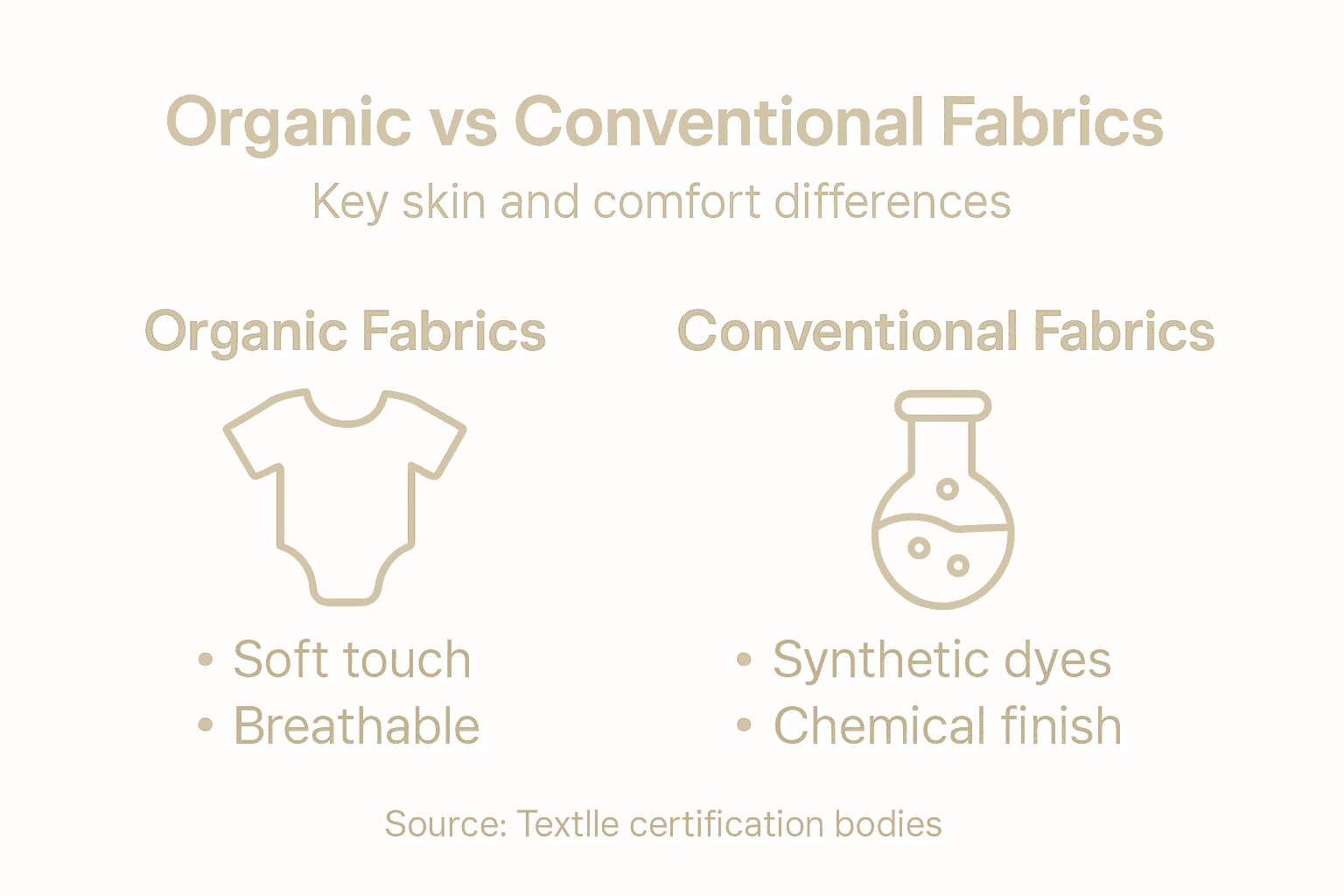
Conventional fabrics are typically produced using intensive agricultural and manufacturing practices that rely heavily on synthetic chemicals. Synthetic pesticides and fertilisers dominate traditional textile production, introducing potentially harmful residues into clothing fibres. These chemical treatments not only impact environmental health but can also trigger skin sensitivities, allergic reactions, and potential long-term health risks for infants with delicate, absorbent skin. Conventional cotton production, in particular, represents a significant environmental burden, consuming extensive water resources and contributing to soil degradation.
Organic fabrics, by contrast, follow strict cultivation and processing standards that prioritise natural methods and minimal chemical intervention. Certified by organisations like the Global Organic Textile Standard (GOTS), these textiles are grown without genetic modification, synthetic pesticides, or toxic chemical finishes. The resulting garments are softer, more breathable, and inherently hypoallergenic. By choosing organic fabrics, parents invest not just in their child’s immediate comfort, but in a broader ecosystem of sustainable, responsible manufacturing that respects both human and environmental health.
Here’s a quick comparison of organic vs conventional baby fabrics and their impact on health and the environment:
| Criteria | Organic Fabrics | Conventional Fabrics |
|---|---|---|
| Agricultural Methods | No synthetic chemicals or GMOs | Heavy reliance on pesticides |
| Skin Impact | Hypoallergenic, gentle on babies | May trigger sensitivities |
| Environmental Footprint | Low water, low pollution | High water, increased pollution |
| Longevity | Durable and retains colour | Prone to fading and breakdown |
| Certification | GOTS, OEKO-TEX labels | Rarely certified |
Pro Tip: When comparing fabric labels, look for specific certifications like GOTS or OEKO-TEX to ensure genuine organic standards and chemical-free production.
Durability, Costs, and What to Prioritise
Choosing organic baby clothing requires thoughtful consideration of multiple factors beyond initial purchase price. While organic garments might present a higher upfront investment, their long-term value extends far beyond mere monetary considerations, encompassing durability, health benefits, and environmental impact.
Fabric quality plays a crucial role in determining the true economic value of baby clothing. Organic textiles, crafted from superior natural fibres, demonstrate remarkable durability and resilience. These garments typically withstand more washing cycles, maintain colour integrity, and resist wear and tear more effectively than conventional alternatives. The tightly woven organic cotton fibres create a robust fabric that can be passed down through siblings or generations, effectively distributing the initial higher cost across multiple uses. Parents investing in organic clothing are essentially purchasing garments with extended lifecycles, reducing the frequency of replacement and ultimately creating a more sustainable wardrobe strategy.
Beyond financial considerations, prioritising organic baby clothing represents an investment in infant health and environmental sustainability. The slightly higher price point reflects comprehensive production processes that eliminate toxic chemicals, support fair labour practices, and minimise ecological damage. Families must weigh the long-term benefits: reduced potential for skin irritations, lower environmental impact, and supporting ethical manufacturing practices. Strategic purchasing involves selecting versatile, high-quality pieces that can be mixed, matched, and layered, maximising both economic and practical value.
Pro Tip: Build a capsule wardrobe of high-quality organic basics that can be easily coordinated, reducing overall clothing expenses while maintaining style and comfort.
Choose Organic Baby Clothing That Truly Cares for Your Little One
Understanding how vital organic baby clothing is for protecting your infant’s delicate skin and supporting sustainability is the first step. Many modern families face the challenge of finding garments that are both gentle and environmentally responsible while offering lasting durability. This is where the quality of organic fabrics grown without harmful chemicals, recognised certifications like GOTS, and thoughtful production methods become crucial for your child’s health and comfort.
At Little Hive, we share your commitment to nurturing children with timeless, hypoallergenic organic clothing crafted from premium natural fibres. Our curated collection reflects the principles highlighted in this article by delivering softness, breathability and style that lasts through multiple washes and seasons. Every piece is selected to help parents reduce exposure to toxins and support an eco-friendly lifestyle without compromising on design or longevity.
Explore our range today and give your baby the best start with clothing that honours delicate skin and the environment. Visit Little Hive now to experience beautiful, heirloom-quality organic clothing alongside thoughtfully sourced children’s essentials. Act now to build a conscious wardrobe with pieces that protect, comfort and endure.
Frequently Asked Questions
What makes baby clothing ‘organic’?
Organic baby clothing is made from materials that are grown without synthetic pesticides and adhere to sustainable farming practices. Fabrics like organic cotton, bamboo, and hemp are commonly used, ensuring a commitment to eco-friendly production processes.
How does organic clothing protect delicate skin?
Organic clothing benefits delicate skin by using breathable natural fibres without harsh chemicals. These materials are hypoallergenic and help maintain the skin’s natural balance, reducing the risk of irritation and allergic reactions for infants.
What are the environmental benefits of choosing organic baby clothing?
Choosing organic baby clothing significantly lowers the environmental impact of textile production. Organic fabrics are cultivated without synthetic pesticides, resulting in reduced water consumption and pollution, promoting a healthier ecosystem and supporting sustainable farming practices.
How do organic fabrics compare to conventional fabrics?
Organic fabrics are produced without harmful chemicals, making them gentler on sensitive skin, whereas conventional fabrics often use synthetic pesticides that can cause skin irritations. Additionally, organic fabrics typically have a lower environmental footprint and higher durability than conventional alternatives.